



The Great Sowing Season
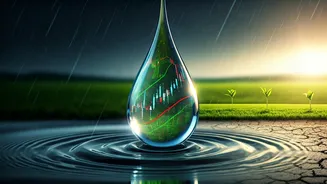
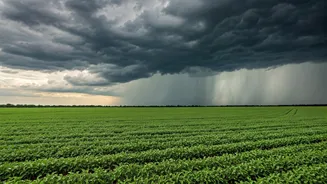
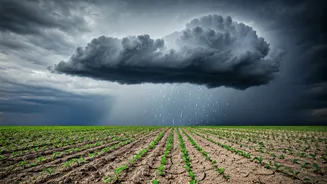
The Southwest Monsoon, which delivers about 70-75% of India's annual rainfall between June and September, is the foundation of the country's primary agricultural season, known as Kharif. A staggering portion of India's farmland, estimated to be between 51%
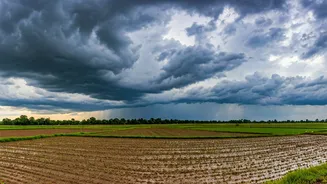
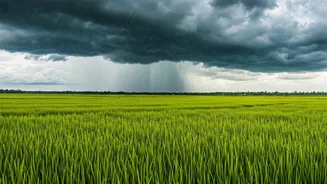
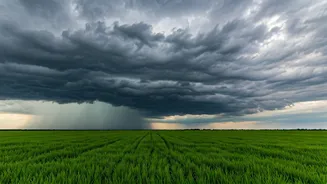
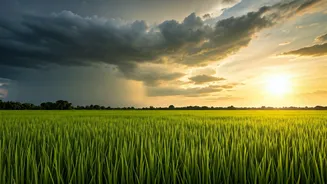
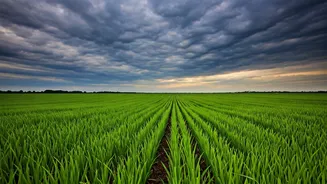
and 60%, is rain-fed, meaning it lacks access to modern irrigation and is entirely dependent on these seasonal rains. This makes the timely arrival and even distribution of the monsoon critical for sowing major staple crops like rice, maize, cotton, pulses, and soybeans. For tens of millions of farmers, a good monsoon kickstarts the agricultural cycle, ensuring seeds germinate and crops have the water needed to grow. A delay of even a few weeks can disrupt this delicate process, affecting sowing schedules and ultimate yields.
A Ripple Effect Across the Economy
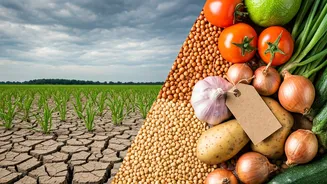
The monsoon's impact extends far beyond the farm gate, creating a powerful chain reaction throughout the Indian economy. A bountiful harvest, fuelled by good rains, boosts rural incomes. This, in turn, drives up demand for consumer goods, from tractors and motorcycles to fast-moving consumer goods, powering corporate growth. Conversely, a poor monsoon suppresses rural demand and can lead to farmer distress. Furthermore, agricultural output is a major factor in controlling inflation. When harvests are strong, food prices remain stable, which benefits every household in the country and eases pressure on the Reserve Bank of India. A weak monsoon can lead to crop failures, food shortages, and a spike in prices, impacting the entire nation's economic stability.
Replenishing the Nation’s Lifelines
The monsoon's role is not limited to the Kharif season. The immense volume of rainwater replenishes the country's most vital resources: reservoirs, rivers, and groundwater tables. These water bodies are crucial for year-round irrigation, especially for the subsequent Rabi (winter) crop season, which relies heavily on stored water. Beyond agriculture, full reservoirs are essential for generating hydroelectric power, a key component of India's energy supply. They also ensure the availability of drinking water for millions of people in both urban and rural areas. A deficient monsoon can lead to water scarcity, power cuts, and restrictions on water usage in major cities, highlighting its importance for every aspect of national life.
The Challenge of a Changing Climate
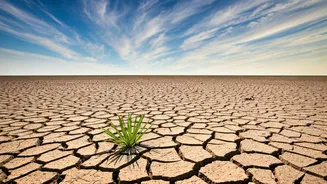
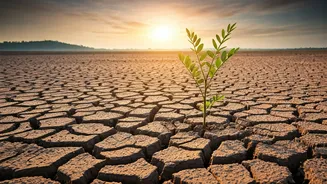
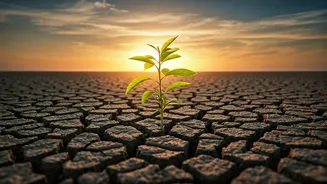
In recent years, the reliability of this life-giving season has come under threat. Climate change is making the monsoon more erratic, leading to unpredictable patterns such as delayed onsets, long dry spells, and an increase in extreme rainfall events that cause flooding. The 2026 monsoon season, for instance, has been marked by concerns over a significant rainfall deficit in its early weeks, driven by the El Niño phenomenon. This growing unpredictability poses a severe challenge to food security and economic planning. It underscores the urgent need for India to invest in climate-resilient agriculture, better water management systems, and improved irrigation to mitigate the risks of a system that has long been the bedrock of its survival.