






The New Monsoon Rush
What was once considered an off-season is now a powerful driver of domestic tourism. Recent data reveals a dramatic spike in travel during the rainy season, with a 25% increase in demand for short-haul trips and mini-vacations. This boom is largely powered
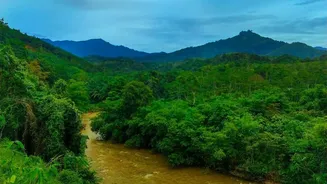
by Gen Z and Millennial travellers, who are swapping traditional holiday schedules for spontaneous, experience-led getaways to destinations transformed by the rains. Hill stations like Mussoorie, Wayanad, and Ooty, along with coastal areas in Kerala and Goa, are seeing booking surges of over 100% in some cases. Travellers are seeking out lush landscapes, nature trails, and unique stays in plantations. This isn't just about a few extra weekend trips; it’s a structural shift in how and when Indians travel, creating a sustained, year-round demand for domestic leisure that puts new pressures on our infrastructure.
India's Overburdened Arteries
This new travel enthusiasm is running headfirst into an old problem: India's short-haul transport network is already stretched to its limits. The trains, buses, and regional flights that connect our cities to these popular getaway spots are the arteries of domestic tourism, and they are showing signs of strain. Reports indicate a staggering 140% rise in bus bookings during the monsoon season, while train travel, particularly among younger demographics, remains a primary mode of transport. While new Vande Bharat services offer speed and comfort, they represent a fraction of the overall network and come with higher fares. For millions, the reality of short-haul travel remains one of long waiting lists for trains, overcrowded buses, and roads struggling with congestion. The problem is one of capacity and quality failing to keep pace with soaring demand.
Beyond Just Booking a Ticket
The challenge goes deeper than just securing a seat. Public transport systems in many Indian cities and towns operate in isolation, creating a fragmented and inconvenient travel experience. A tourist might take a high-speed train to a regional hub but then face a chaotic and unreliable system of local buses or auto-rickshaws for the 'last-mile' connection to their final destination. This lack of integration leads to long waits, inefficient transfers, and a reliance on personal vehicles, which only adds to congestion and pollution. Furthermore, the monsoon season itself introduces another layer of complexity. Poorly maintained rural roads can become hazardous or impassable, and public transport schedules can be unreliable. For the new wave of monsoon travellers, the journey itself is becoming a significant hurdle that threatens to dampen the appeal of these short breaks.
A Year-Round Challenge, A National Opportunity
While the monsoon surge brings the issue into sharp focus, the underlying problem is a year-round one. India is in the midst of a massive infrastructure push, with record-level spending on highways, railways, and airports. The number of operational airports has more than doubled since 2014, and the Vande Bharat network has served over 9 crore passengers since its inception. The UDAN scheme is also expanding regional air connectivity, with plans to develop 100 new airports from unserved airstrips. However, the focus often remains on big-ticket, long-distance projects. The explosion in short-haul and weekend travel suggests that more attention is needed on the connective tissue: the regional buses, the intercity trains that aren't premium services, and the last-mile transport that makes tourism viable for smaller towns and offbeat destinations.
What 'Early Attention' Really Means
Addressing this challenge requires a multi-pronged approach. First, it means investing in modernising our bus fleets and terminals, which remain the most common mode of transport for a majority of Indians. Second, it involves better integration between different modes of transport—rail, bus, and regional air—so that a journey can be planned and booked seamlessly from start to finish. Third, leveraging technology for real-time tracking, unified ticketing, and crowd management can significantly improve efficiency and the passenger experience. Finally, schemes like UDAN need continued support to ensure regional air travel becomes a truly viable alternative. The government's Modified UDAN scheme, with its focus on strengthening infrastructure and last-mile access, is a step in the right direction, but execution and sustained funding will be key.