



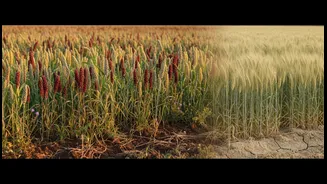


The Persistent Gap in Our Fields
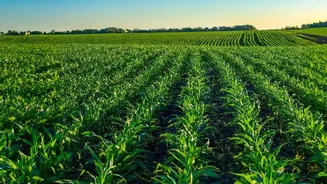
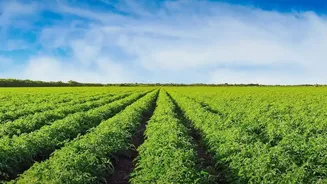
In agriculture, a 'yield gap' is the difference between what a farm could potentially produce under ideal conditions and what it actually harvests. For India, a country that supports 18% of the world's population on just 2.4% of its land, this gap is more
than an academic concept; it's a direct challenge to national food security and farmer prosperity. Studies show that average farm yields for major crops like rice can be less than half of their potential. This gap isn't just about a few underperforming farms; it's a systemic issue, reflecting challenges in everything from water availability to pest management and, most critically, the health of the soil itself. Closing this gap is essential for increasing food production without having to clear more forests or place additional strain on our natural resources.
The Allure of the Tech Fix
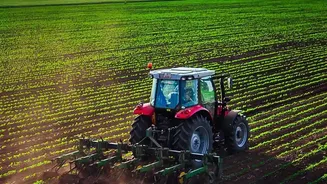
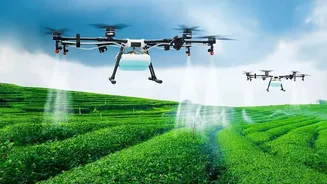
The promise of technology is a powerful one. The agritech sector in India is booming, with startups offering an array of modern tools to solve age-old farming problems. Precision farming, which uses data, drones, and sensors, allows for the targeted application of water and fertilisers, enhancing efficiency and reducing waste. AI-powered analytics can predict crop diseases, and advanced machinery can reduce the dependency on manual labour, a growing concern in rural areas. These innovations are vital and have shown they can boost yields and make farming more profitable. They represent a necessary evolution, helping farmers make smarter, data-driven decisions. However, these tools are most effective when applied to a healthy foundation, and often, that foundation is missing.
Back to Basics: The Soil Beneath Our Feet
The other, often overlooked, half of the equation is land repair. Decades of intensive farming, overuse of chemical fertilisers, and unsustainable water use have taken a heavy toll on India's soil. An estimated 30% of India's land is degraded. Soil Organic Carbon (SOC), a key indicator of fertility, has plummeted in many regions from a healthy 1% to as low as 0.3%. Degraded soil can't hold water effectively, is prone to erosion, and lacks the essential micronutrients and beneficial microbes that plants need to thrive. No amount of technology can fully compensate for soil that is biologically inert. Land repair, through practices known as regenerative agriculture, aims to fix this. Techniques like using cover crops, minimising tillage, composting, and integrating organic manure can rebuild soil structure, boost organic matter, and restore the soil's natural fertility.
A Symbiotic Solution for a Secure Future
The most effective approach is not a choice between technology and land repair, but a fusion of both. Healthy soil acts as a force multiplier for technology. For instance, precision irrigation is far more effective on soil that can absorb and retain water. Similarly, healthy soil with a robust microbial ecosystem can naturally suppress some pests and diseases, reducing the need for chemical inputs that tech helps manage. Regenerative practices improve the long-term resilience of a farm, making it better able to withstand droughts and floods—climate shocks that are becoming more frequent. When farmers invest in their soil's health, they create a virtuous cycle. The land becomes more productive and stable, reducing financial risk and making it more feasible to invest in new technologies that can further enhance efficiency and profitability.