





What Exactly Are Smart Glass Coatings?
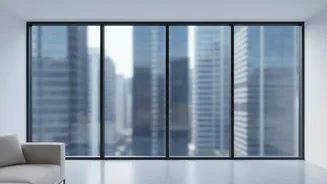
Smart glass coatings, also known as switchable films, are advanced materials applied to existing windows to control the amount of light and heat that passes through. Unlike standard tinted films, these coatings are dynamic. They can change their properties
in response to environmental triggers like heat or an electrical signal. The most common technology is Polymer-Dispersed Liquid Crystal (PDLC), where liquid crystals suspended in a polymer are applied to glass. When an electrical current is passed through, the crystals align, making the glass transparent. When the power is off, they scatter randomly, rendering the glass opaque for privacy while still allowing diffused light to pass through. This means you can have a clear view when you want it and privacy or shading on demand.
How This Tech Keeps Your Home Cool
The primary job of these coatings in a hot climate is to manage the sun's energy. Sunlight is composed of visible light, ultraviolet (UV) rays, and infrared (IR) radiation, which is what we feel as heat. Smart coatings are engineered to be 'spectrally selective', meaning they can block a large portion of heat-carrying infrared and harmful UV rays without significantly reducing visible light. Some films can block over 99% of UV rays and a significant amount of infrared radiation. This prevents your home from heating up like a greenhouse, a common issue in urban apartments and houses with large windows. By reducing this solar heat gain, your air conditioner doesn't have to work as hard or as long to maintain a comfortable indoor temperature.
The Real Impact on Your Electricity Bill
The central promise of smart glass coatings is energy savings, and the results can be substantial. By reducing solar heat gain, these films can cut air conditioning costs by up to 30%. While the exact savings depend on factors like your city's climate, the size and orientation of your windows, and your home's existing insulation, the impact is undeniable. For commercial buildings, studies have shown annual energy savings between 5% and 15%. Think of it as upgrading your windows to be far more insulated—some low-emissivity (Low-E) films provide an insulating effect similar to upgrading from single-pane to double-pane windows. This efficiency not only provides relief during peak summer months but can offer year-round benefits.
Beyond Savings: Comfort and Protection
While lower electricity bills are a major draw, the benefits don't stop there. By blocking UV radiation, these coatings protect your furniture, curtains, and flooring from fading over time. They also reduce glare, making it more comfortable to watch television or work on a computer near a window without drawing the blinds. Furthermore, many of these films add a layer of security; by holding shattered glass together, they can make windows more resistant to break-ins. The ability to switch to an opaque state offers instant privacy at the flick of a switch, eliminating the need for traditional curtains or blinds, which can gather dust and block light entirely.
Is It a Practical Choice for Your Home?
Installing smart glass coatings is an investment. The upfront cost is higher than traditional window tints, but the long-term energy savings can lead to a financial payback over several years. There are two main options: smart film, which can be retrofitted onto your existing windows, and smart glass, where the technology is laminated inside the glass pane itself, typically used for new construction or major renovations. Smart film is the more cost-effective choice for most homeowners looking to upgrade. While the technology is globally available, it's wise to consult with local suppliers and professional installers in India who can provide solutions best suited for the intense heat and weather conditions specific to the region.