





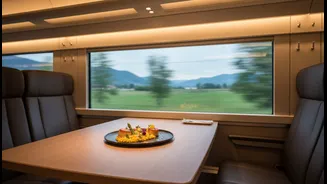



A Revolution in On-Track Dining
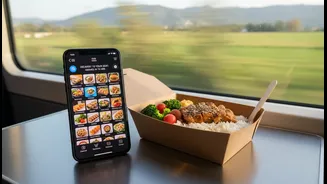
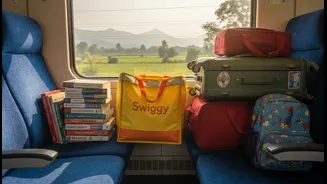
The collaboration between Swiggy and IRCTC has dramatically changed how passengers eat. Recent reports from July 2026 confirm that Swiggy's 'Food on Train' service has seen a threefold year-on-year increase in orders during the summer quarter. The service is
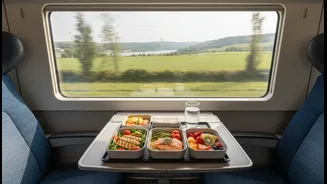
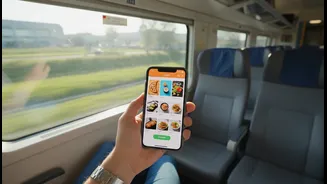
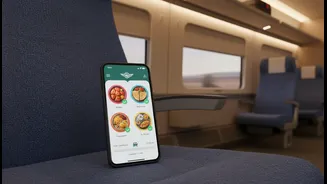
now available in over 180 cities, with the network expanding rapidly into smaller towns and Tier-II cities. This growth is fuelled by undeniable convenience. Passengers can now bypass the limited pantry menu and order from a wide array of restaurants at upcoming stations, all from their phones. For many, this has solved long-standing concerns about the hygiene and quality of traditional train food.
The Undeniable Allure of Choice
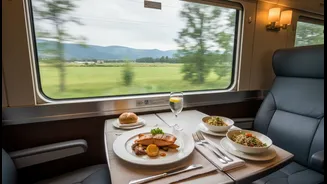
For students travelling home, families with picky eaters, or solo travellers with specific dietary needs, the service is a game-changer. The data shows a massive appetite for variety: over 400,000 rotis were ordered this summer, alongside popular items like masala dosa and chicken biryani. The platform's success highlights a clear demand for more reliable and diverse food options. Travellers can now enjoy a hot meal from a trusted local restaurant in an unfamiliar city, delivered directly to their seat. The growth in smaller towns is particularly notable, with Guna in Madhya Pradesh seeing 66% of its train food orders coming from first-time Swiggy users, suggesting the service is a gateway to digital adoption.
What's Lost in Convenience?
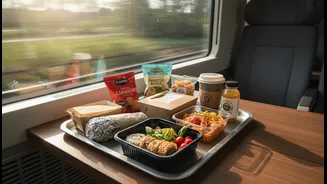
But with every click and pre-ordered meal, a piece of the classic train experience risks fading away. For generations, train food wasn’t just sustenance; it was an event. It was the ritual of the pantry car attendant taking orders on a scrap of paper for a standard thali. It was the excitement of a home-packed dabba filled with puris, aloo sabzi, and pickles, shared among family members. While ordering a McAloo Tikki Burger to your berth is efficient, it replaces these shared, spontaneous moments with a more individualised, transactional experience. The collective groan or delight over the pantry's dal tadka is being replaced by the silent glow of a smartphone screen.
The Fading Calls of Station Vendors
Perhaps the most significant cultural shift is the potential silencing of the platform ecosystem. Indian railway stations have long been vibrant marketplaces of flavour, defined by the rhythmic calls of vendors selling everything from 'chai-garam-chai' to regional specialities like vada pav in Maharashtra or kachoris in Rajasthan. This spontaneous, sensory part of the journey—deciding in a split-second to buy hot samosas as the train halts—is a core memory for millions. As more passengers pre-order meals to arrive seamlessly at their seats, the reliance on these local vendors dwindles. This shift not only changes the journey's texture but also impacts the livelihoods of countless small entrepreneurs who are an integral part of the railway's fabric.
A New Kind of Travel
The rise of food-tech on rails doesn’t signify the end of train travel culture, but its evolution. The convenience is real and, for many, a welcome improvement. Yet, it also nudges travellers towards a more planned, less serendipitous journey. The student who might have once bonded with fellow passengers over a shared, dubious pantry meal now orders a solo pizza. The family that might have explored the culinary offerings of a station during a 20-minute halt now has their meal choices neatly confirmed via a PNR-linked app. This efficiency comes at the cost of the unplanned discoveries and interactions that have historically defined what it means to travel by train in India.