





The Myth of the One Super Grain
For years, wellness trends have crowned a new 'super grain' every so often. First, it was oats, then quinoa had its moment in the sun, and now a dozen others are competing for the top spot on our plates. This has created a culture of dietary pressure,
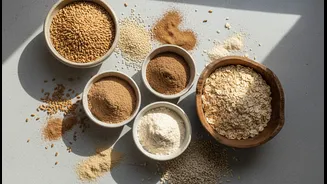
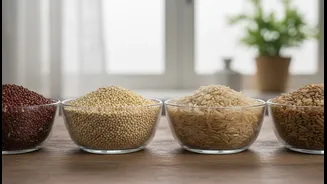
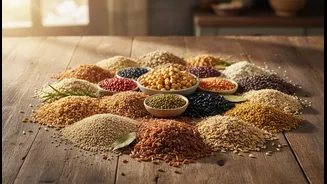
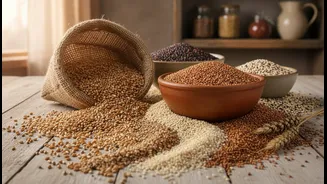
where we believe that unless we are eating that specific, often expensive, and sometimes hard-to-find grain, we are failing at being healthy. This single-food focus not only creates unnecessary anxiety but also overlooks a fundamental principle of good nutrition: diversity. A healthy diet is not about finding one perfect food but about creating a balanced and varied plate. Relying on a single grain, no matter how nutritious, can lead to a monotonous diet and may even cause you to miss out on a broader spectrum of essential nutrients that other foods offer.
Why Dietary Diversity is Key
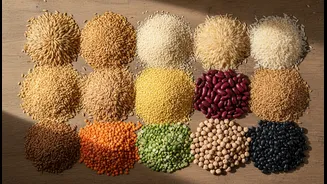
The science is clear: a more diverse diet leads to a more diverse and resilient gut microbiome. Your gut is home to trillions of microorganisms that play a crucial role in everything from digestion to immune function. Feeding them a variety of foods, especially different types of fibre from various grains, helps a wider range of beneficial bacteria to thrive. This doesn't just improve digestive health; it's linked to a lower risk of chronic diseases like type 2 diabetes and heart disease. Each grain offers a unique profile of vitamins, minerals, and phytonutrients. By rotating the grains you eat, you provide your body with a more comprehensive array of nutrients than any single grain could ever supply on its own.
Rediscover India's Mighty Millets
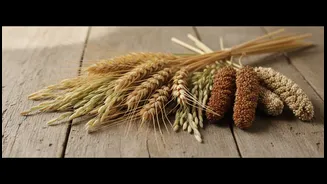
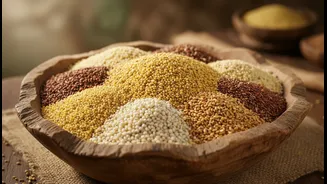
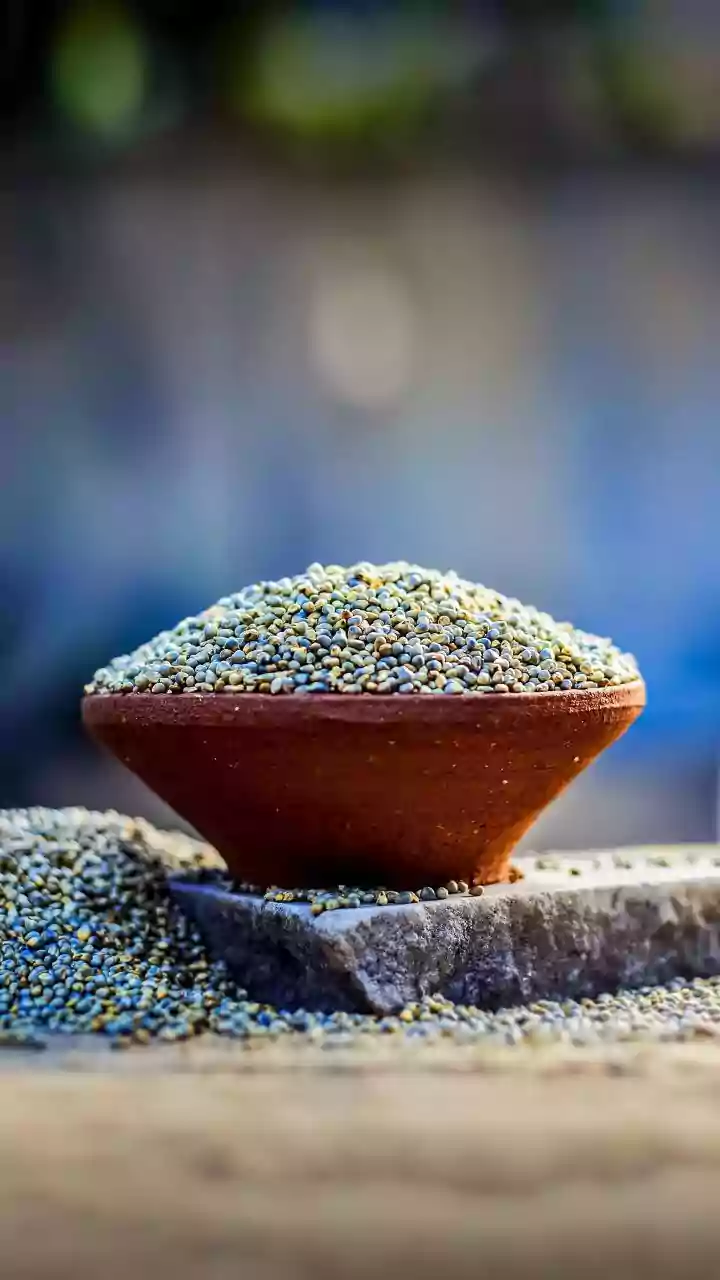
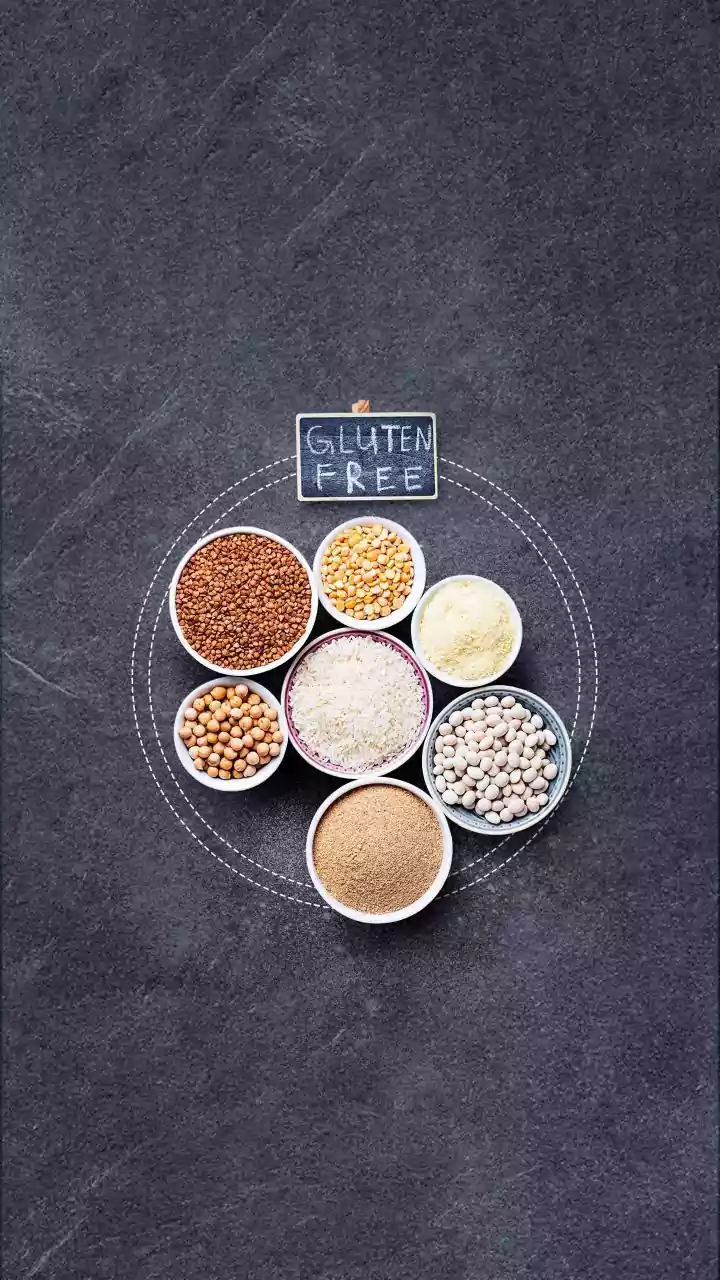
Long before global food trends arrived, Indian kitchens were powered by a diverse range of local grains. Millets—a group of small-seeded grasses like jowar, bajra, and ragi—are nutritional powerhouses that are perfectly suited to our climate and bodies. They are naturally gluten-free, rich in fibre, and have a low glycemic index, which helps in managing blood sugar levels. For instance, finger millet (ragi) is famously rich in calcium, containing almost ten times more than rice or wheat. Pearl millet (bajra) is a great source of iron and magnesium, making it excellent for energy levels. These ancient grains are not just a 'healthy alternative'; they are foundational foods that offer immense benefits for heart health, digestion, and overall wellness.
Amaranth: The Fasting Staple for Everyday Health
Often known as rajgira or 'Ramdana', amaranth is a pseudocereal that is much more than just a food for fasting. It is a complete protein, meaning it contains all nine essential amino acids, including lysine, which is often lacking in other grains. One cup of cooked amaranth provides about 9 grams of protein and 5 grams of fibre, helping to build muscle, support digestion, and keep you feeling full for longer. Its high levels of calcium, magnesium, and iron support bone health and energy production. Because it is naturally gluten-free and easy to digest, amaranth is an excellent and versatile addition to any diet, from porridges to rotis.
Barley and Buckwheat: The Unsung Heroes
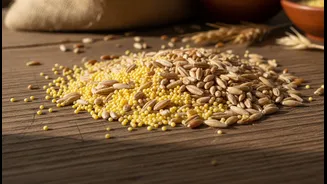
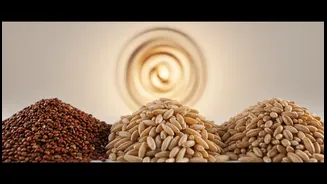
Two other grains often overlooked are barley (jau) and buckwheat (kuttu). Barley is exceptionally high in fibre, particularly beta-glucan, which is known for its ability to help lower cholesterol. It has a lower glycemic index than oats and can be a fantastic addition to soups, salads, and even as a substitute for rice. Buckwheat, despite its name, is not related to wheat and is gluten-free. It is a fantastic source of protein, fibre, and minerals like magnesium. Traditionally used in India during fasting periods, kuttu is also rich in antioxidants like rutin, which supports cardiovascular health. Its robust, nutty flavour makes it a delicious base for everything from pancakes to noodles.