




Before You Leave: Vehicle Health Is Wealth
A safe monsoon drive begins before you even turn the key. Your car is your first line of defence against treacherous conditions, so a thorough check-up is non-negotiable. Start with your tyres; they must have adequate tread depth, as worn tyres are a primary
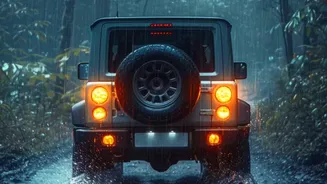
cause of skidding on wet roads. Ensure they are inflated to the manufacturer's recommended pressure. Next, inspect your brakes. Wet roads significantly increase your stopping distance, so your brake pads and discs need to be in optimal condition. Finally, check your visibility aids: your windscreen wipers, headlights, and tail lights. Replace worn wiper blades that leave streaks, and ensure all your lights are functioning correctly. Using your low-beam headlights during the day in heavy rain makes you more visible to other drivers.
On the Road: Smart Driving Techniques
Once you hit the road, adapt your driving style for the weather. The most crucial rule is to slow down. Speed limits are designed for ideal, dry conditions, not for rain-slicked highways. Reducing your speed gives you more time to react. Maintain a safe following distance from the vehicle in front of you—double what you normally would, as braking takes much longer on wet surfaces. Avoid sudden acceleration, braking, or sharp turns; smooth, gentle movements are key to maintaining traction. Be especially wary of puddles, which can hide deep potholes or cause your vehicle to hydroplane, a dangerous situation where your tyres lose contact with the road. If you feel the steering become light, ease off the accelerator and steer gently in the direction you want to go without braking suddenly.
Navigating the Agumbe Ghat Section
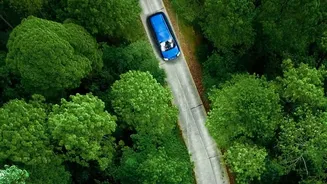
The final stretch to Agumbe involves navigating its infamous ghat road, a series of sharp hairpin bends through dense rainforest. During the monsoon, this section is notoriously foggy and slippery, with risks of landslides. Authorities often restrict heavy vehicle traffic on this route (NH-169A) during peak monsoon to prevent blockages, but car drivers must remain vigilant. Honk at every blind curve to alert oncoming traffic. Always stay in your lane, especially around turns, as buses and trucks may swing wide. Use lower gears when driving both uphill and downhill. This provides better control and utilizes engine braking on descents, saving your regular brakes from overheating. Driving at night is highly discouraged due to extremely poor visibility and the risk of encountering wildlife on the road. If rainfall becomes too heavy, it's safest to pull over at a secure spot and wait for conditions to improve.
Essential Monsoon Emergency Kit
Being prepared for the unexpected can turn a potential crisis into a minor inconvenience. Your standard car kit should be supplemented with monsoon-specific items. Pack a powerful torch, a portable phone charger or power bank, and a comprehensive first-aid kit. An umbrella and a waterproof jacket are essential for when you need to step out of the car. It's also wise to carry non-perishable snacks and sufficient water in case you're stranded due to a road blockage. Waterproof pouches are a great way to protect your electronics and important documents from the pervasive dampness. Before starting your trip, check the latest weather forecasts and local advisories, as conditions in the ghats can change rapidly.