






The Wisdom of the Crowd
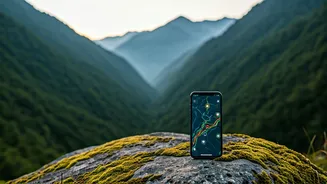
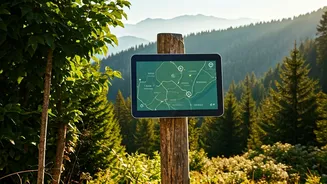
The idea of a 'crowdsourced map' isn't about a single app or website. Instead, it’s a digital tapestry woven from the experiences of countless travellers. Passionate explorers share their discoveries on travel blogs, dedicated forums like IndiaMike, and
through custom-made Google My Maps. They painstakingly pin remote homestays, secret waterfalls, and tranquil riverside spots that you won't find in a standard guidebook. This collective effort has created an ever-evolving, living guide to Sikkim's hidden corners, allowing others to bypass the commercial hubs of Gangtok and Pelling in favour of something far more authentic. It’s a movement driven by a shared desire for slow, sustainable travel that connects visitors with the local culture and the staggering natural beauty of the Himalayas.
Dzongu: The Lepcha Sanctuary
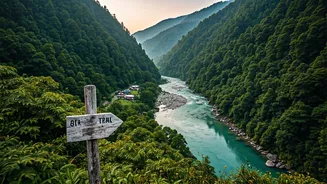
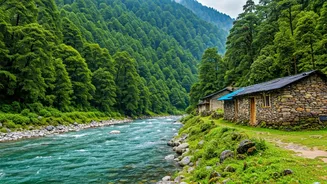
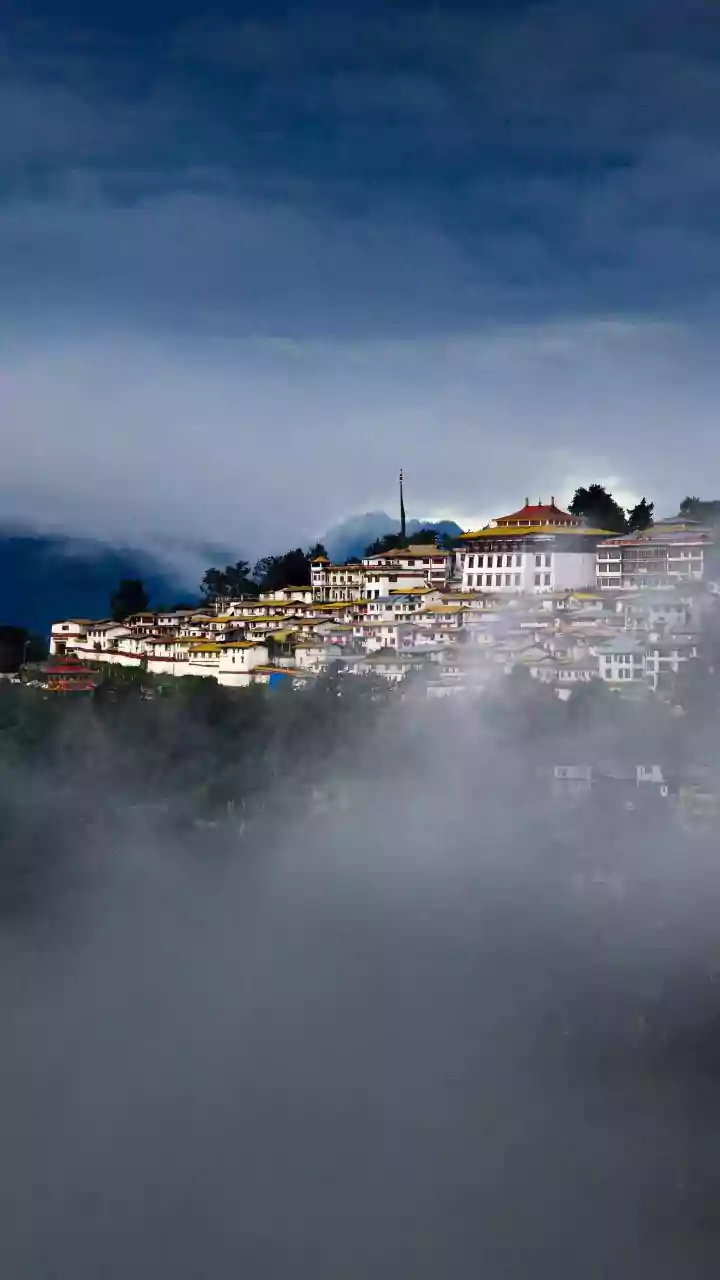
Tucked away in North Sikkim, Dzongu is a prime example of a treasure unlocked by this community-led travel trend. Designated as a special reserve for the Lepcha community, Sikkim's original inhabitants, this region requires a special permit to enter, which naturally keeps mass tourism at bay. The information on how to procure these permits and find authentic homestays is almost exclusively shared through travel forums and blogs. Dzongu is a verdant paradise, bordered by the roaring Teesta River and crisscrossed by its tributaries. Villages like Tingvong and Passingdang offer breathtaking views of Mount Kangchenjunga. Life here is unhurried. Days are spent hiking to remote monasteries, soaking in hot springs, or simply sitting by the river, listening to its constant murmur. The crowdsourced tip is to connect with a local homestay owner who can arrange your permit, ensuring your visit is both seamless and supportive of the local community.
Zuluk: A Hamlet on the Silk Route
While the Old Silk Route has gained fame for its dizzying hairpin bends, the village of Zuluk remains a quiet, community-run haven. At an altitude of nearly 10,000 feet, this tiny village was once a transit point for traders on the historic route to Tibet. Today, its tourism is almost entirely managed by the residents themselves, with every house seemingly doubling as a cosy homestay. Information about which homestays offer the best views or the warmest hospitality is a hot topic in online travel circles. Zuluk and its surrounding hamlets like Nathang Valley are dotted along the banks of streams that feed into larger rivers downstream. The experience here is about acclimatising to the altitude, listening to stories from your hosts about the region's history, and waking up to pristine, snow-dusted landscapes far from any commercial noise.
West Sikkim's Riverside Retreats
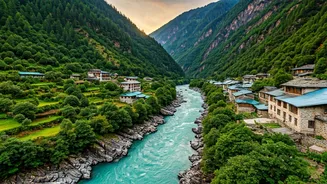
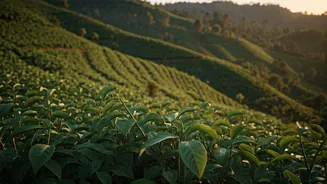
West Sikkim is known for the trekking hub of Yuksom, the first capital of the kingdom. But the real magic, as shared by seasoned travellers, lies in the smaller villages nestled along the Rangeet River. Hamlets like Tashiding and Rinchenpong offer a peaceful alternative to the more crowded Pelling. These villages are gateways to ancient monasteries and lush cardamom plantations. Crowdsourced guides often point to specific family-run guesthouses with verandas overlooking the river valley, where you can watch the water carve its path through the mountains. The advice is clear: use the main towns as a base, but spend your days and nights in these lesser-known riverside villages to experience the profound tranquility of the region. It's in these quiet spots that you truly feel the rhythm of Sikkimese life.
How to Find Your Own Path
Ready to chart your own course? The process is simpler than you think. Start by searching online for 'Sikkim travelogues' or 'offbeat Sikkim itinerary.' This will lead you to detailed blog posts, often with embedded maps. Next, dive into forums like IndiaMike and the travel sub-threads on Reddit. Use specific search terms like 'riverside homestay North Sikkim' or 'quiet villages near Pelling.' Look for threads where travellers have shared their custom Google Maps—these are gold mines of curated information. Finally, don't just consume the information. When you find a place, reach out to the homestay owner directly. This not only confirms your booking but also begins to build a connection before you even arrive, making the entire experience richer and more personal.