








Why the Monsoon Makes You Sluggish
During the rainy season, high humidity and a drop in temperature can slow down the body's metabolism. According to Ayurvedic principles, this weakens the 'digestive fire' (Agni), making it harder for your system to process heavy foods. This is especially
true for items rich in saturated fats, like fried snacks, rich curries, and certain meats and dairy products. These foods are dense and require more effort to digest, which can lead to bloating, acidity, and that all-too-familiar feeling of lethargy. With physical activity often reduced due to the rains, the body struggles even more to handle these heavy meals, making you feel tired and drained.
Embracing the 'Light Eating' Philosophy
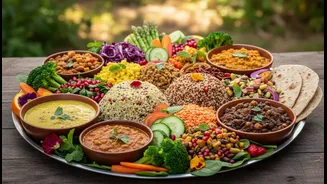
The key to staying energetic is to adopt a 'light eating' approach. This doesn’t mean deprivation; it means choosing foods that are easy on your digestive system. Think warm, freshly prepared meals instead of cold or raw items, which can be harder to digest and carry a higher risk of contamination in humid weather. Integrating immunity-boosting spices like turmeric, ginger, and garlic into your cooking is a wise move, as they have antimicrobial properties and aid digestion. The goal is to nourish your body without overburdening it, helping you feel light and active.
Smart Swaps to Ditch the Slump
Craving something crispy and hot is natural when it's raining, but deep-fried pakoras and samosas are laden with fats that slow you down. Instead of deep-frying, try baking, grilling, or steaming your snacks. Think roasted corn (bhutta), steamed momos, or a light poha or upma. When it comes to main courses, swap heavy, cream-based curries for lighter, broth-based preparations like flavourful jhol or rasam. A simple khichdi made with moong dal is incredibly easy to digest and provides sustained energy. For fruits, opt for seasonal choices like pomegranates, apples, and pears, which are packed with vitamins.
Cooking Methods and Hydration Matter
How you cook is as important as what you cook. Steaming vegetables helps retain nutrients while keeping them light. Grilling and sautéing with minimal oil are also excellent alternatives to frying. Hydration is another critical component. While it's tempting to reduce water intake, dehydration can make your digestive system even more sluggish. Instead of cold beverages, which can hinder digestion, sip on warm water, herbal teas with ginger or tulsi, and clear vegetable soups throughout the day. These warm liquids not only hydrate but also help soothe the digestive tract and boost immunity.
Mindful Eating for the Modern Millennial
For busy urban millennials, convenience often trumps health. However, avoiding the monsoon slump doesn't require a complete lifestyle overhaul. Many healthy meal services now offer curated monsoon menus. When ordering in, consciously choose grilled over fried and soups over heavy curries. Avoiding street food is particularly important during this season due to the higher risk of waterborne diseases from contaminated water used in chutneys and drinks. Eating smaller, more frequent meals can also prevent the feeling of being overstuffed and keep your energy levels stable.