



A Green Wave in Urban India
In cities like Mumbai, Bengaluru, and Delhi, where life is fast-paced and concrete often dominates the landscape, a significant trend towards urban gardening is emerging. This is more than just a hobby; it represents a collective move towards a more conscious
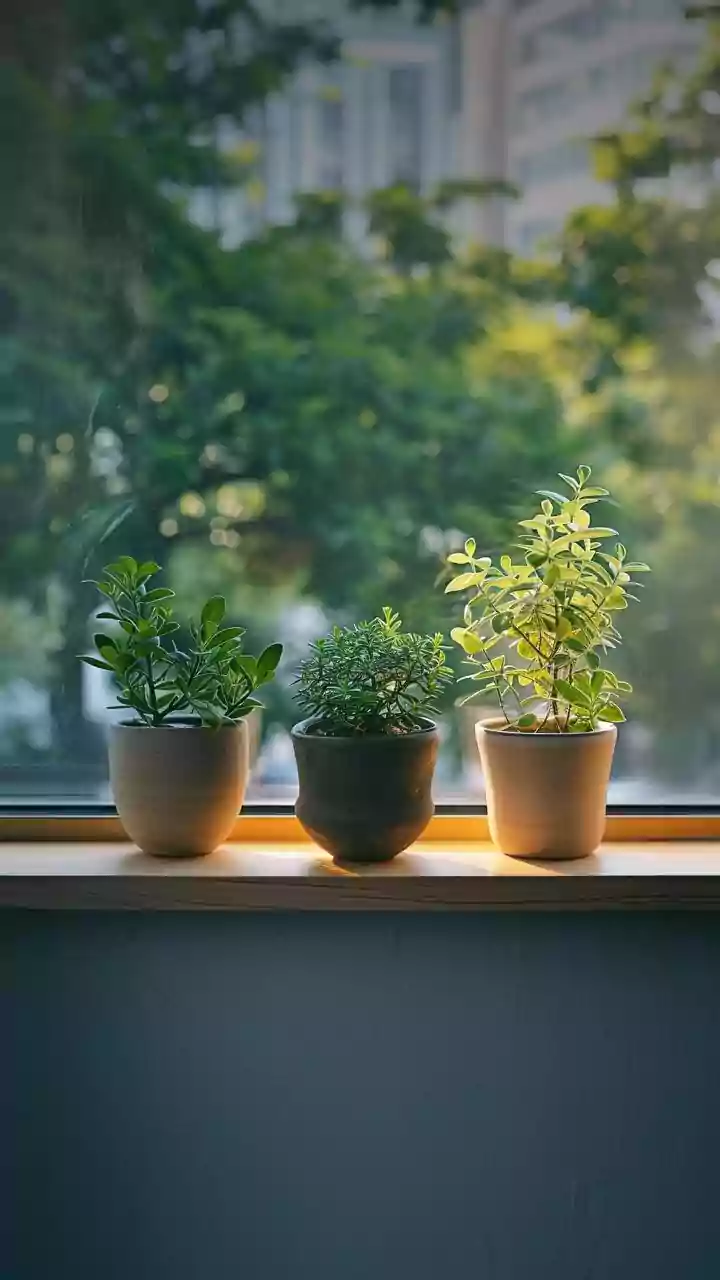
and sustainable way of life. For many, it starts with a single pot of mint or tulsi. The desire for fresh, pesticide-free ingredients, coupled with a yearning for a connection to nature, is inspiring city dwellers to bring the garden to their homes. This movement isn't about achieving self-sufficiency overnight, but about taking small, meaningful steps towards healthier living. The appeal lies in its simplicity and accessibility; you don't need a large backyard, just a sliver of sunlit space.
More Than Just a Garnish
A balcony herb garden is a powerful tool for sustainable living. By growing even a small portion of your own food, you reduce your reliance on produce that has travelled hundreds of kilometres, losing freshness and nutritional value along the way. This simple act cuts down on your personal carbon footprint associated with long-distance food transport and packaging. Furthermore, gardening encourages a closed-loop system at home. Kitchen scraps can be turned into compost, providing rich nutrients for your plants and reducing the amount of waste sent to landfills. Even a few pots of green can help improve local air quality by absorbing carbon dioxide and releasing oxygen, contributing to a slightly cooler and cleaner micro-environment around your home.
Your Balcony Starter Kit: Easy-to-Grow Herbs
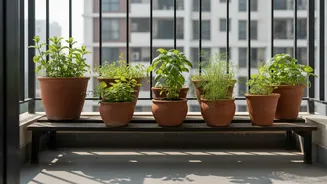
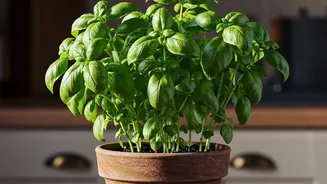
Getting started is simpler than you think. Many herbs are perfectly suited to India's climate and thrive in containers. Mint (Pudina) is incredibly easy to grow and spreads quickly, perfect for chutneys and drinks. Tulsi (Holy Basil), a staple in many Indian homes, is resilient, loves sunlight, and has numerous wellness benefits. Coriander (Dhania) can be grown easily in shallow pots for a constant supply of fresh leaves for cooking. Curry Leaves (Kadi Patta) grow into a small, manageable bush, providing essential flavour for countless dishes. Finally, Lemongrass is a hardy grass that adds a fresh aroma to your balcony, repels mosquitos, and is great for teas.
Setting Up Your Green Corner
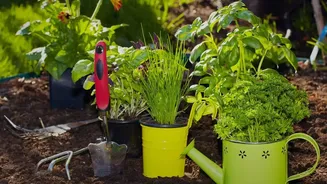
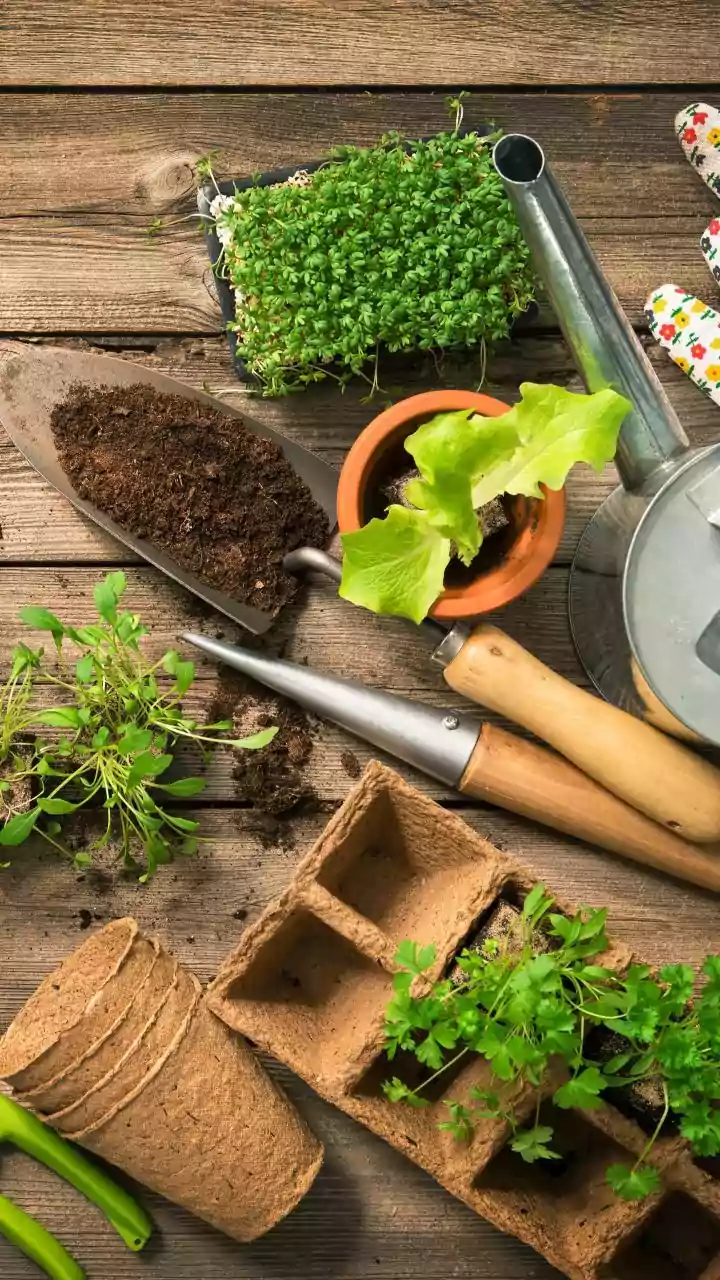
You don't need expensive equipment to begin. Start with a few basic containers; recycled plastic bottles, old buckets, or simple earthen pots work wonderfully. Ensure every container has drainage holes at the bottom to prevent waterlogging. A good quality potting mix, often a combination of soil, compost, and cocopeat, will give your herbs the foundation they need. Most herbs require at least four to six hours of sunlight, so find a spot on your balcony that gets adequate light. The key is to start small. Choose two or three herbs you use regularly in your kitchen. This makes the process less overwhelming and allows you to learn as you grow.
The Ripple Effect of a Single Pot
The benefits of a balcony garden extend beyond fresh food and sustainability. The daily ritual of caring for plants can be a powerful stress-reliever, offering a mindful escape from the pressures of city life. There's a profound sense of satisfaction that comes from harvesting something you've grown yourself. For families with children, it's a hands-on educational tool that teaches them where food comes from. This small act can also foster a sense of community, with neighbours sharing tips, seeds, and even their surplus harvest. It demonstrates that even within a dense urban environment, it's possible to cultivate a connection with nature and inspire a greener lifestyle for those around you.