




The Challenge of the Last Mile
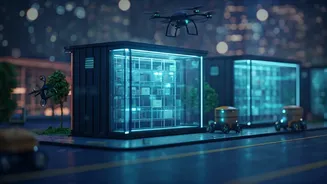
The explosion of e-commerce in India has created a massive demand for last-mile delivery—the final step of getting a package from a warehouse to your doorstep. [23] Traditionally, this has been handled by a massive fleet of petrol-powered two-wheelers
and small trucks. While efficient at navigating congested city streets, these vehicles come with significant downsides: high fuel costs, constant maintenance, and a major contribution to urban air and noise pollution. [3, 9] For businesses, the term 'green delivery' often remained an abstract corporate social responsibility (CSR) goal rather than a practical operational strategy. The real-world costs and carbon footprint of traditional logistics were simply seen as the price of doing business. [4]
Enter the Electric Solution
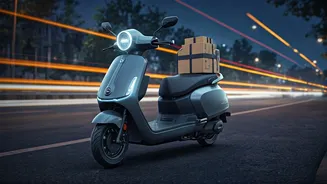
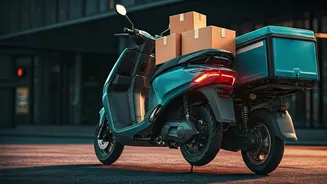
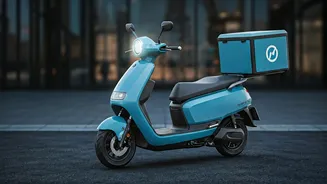
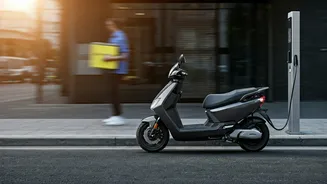
The 'assist' in making green delivery a reality comes from electric vehicles, particularly electric two- and three-wheelers. [10] These vehicles are perfectly suited for the demands of last-mile logistics, which involve short, predictable routes with frequent stops. [6, 15] Unlike their internal combustion engine (ICE) counterparts, EVs produce zero tailpipe emissions, directly addressing the problem of air pollution in dense urban centres. [4] This shift is moving sustainability from a theoretical concept to a visible, everyday reality on Indian roads, where delivery agents on quiet electric bikes are becoming an increasingly common sight in major cities. [7]
The Compelling Business Case
While environmental benefits are significant, the rapid adoption of EVs in logistics is primarily driven by powerful economic incentives. The total cost of ownership for an EV is substantially lower than for a petrol vehicle. [2] Fleet operators report that the running cost of an electric two-wheeler can be as low as ₹1.5–₹2 per kilometre, compared to around ₹4 for a petrol equivalent. [9] These savings come from cheaper energy costs—electricity being more stable and affordable than fluctuating fuel prices—and drastically reduced maintenance needs due to fewer moving parts. [2, 3] Government incentives, such as the FAME-II scheme and state-level subsidies, further reduce the initial purchase price, making the switch economically compelling. [6, 19] For many businesses, the payback period for an EV can be as short as two years. [9]
Overcoming the Roadblocks
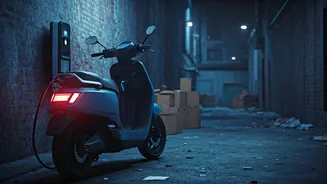
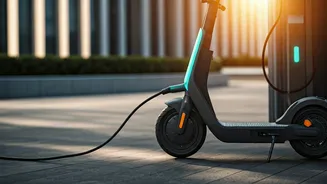
The transition is not without its challenges. The primary hurdles for widespread EV adoption in logistics are related to energy infrastructure. [28] Range anxiety—the fear of a battery running out mid-delivery—is a real concern for drivers and fleet managers. [11, 27] This is compounded by a lack of sufficient public charging stations, especially outside major metro areas. [28] To counter this, innovative solutions like battery-swapping networks are gaining traction. These allow drivers to exchange a depleted battery for a fully charged one in minutes, eliminating downtime associated with charging. [7, 27] However, scaling this infrastructure to meet the demands of a fully electric delivery ecosystem remains a critical operational challenge. [5]
A Quieter, Cleaner Urban Future
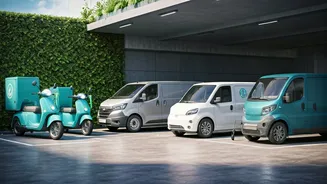
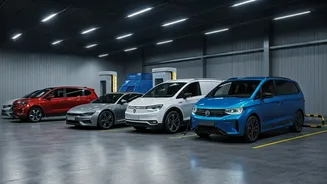
The impact of electrifying last-mile delivery extends beyond corporate balance sheets and environmental reports. For residents of India's bustling cities, it means a tangible improvement in quality of life. The reduction in tailpipe emissions leads to cleaner air, addressing a major public health concern. [4] Furthermore, the near-silent operation of EVs helps to decrease the constant noise pollution that characterizes urban environments. [4, 10] As more logistics companies electrify their fleets, from e-commerce giants and quick-commerce platforms to food delivery services, they are not only making their operations more efficient but are also contributing to creating healthier and more livable cities. [6, 9]