






From the Pantry to the Plate
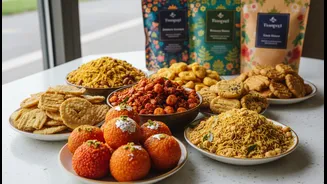
A quiet but significant transformation is underway in the global food landscape. Indian brands, long associated with packaged snacks, sweets, and spices, are making a bold strategic pivot. Companies like Haldiram's and Bikanervala, whose products are staples
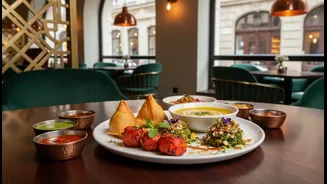
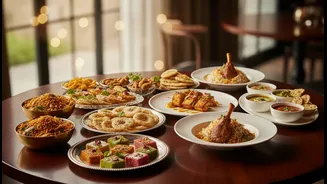
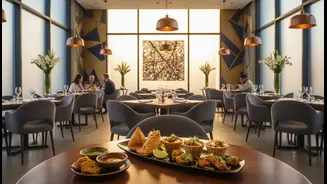
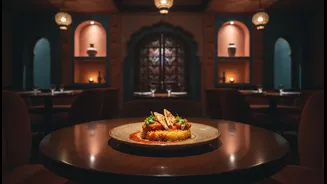
in Indian homes and diaspora communities worldwide, are no longer content with just being on the supermarket shelf. They are now investing in full-service, dine-in restaurants in key international markets, including the UAE, the UK, and the USA. This move represents a fundamental shift from being product suppliers to becoming experience providers, aiming to offer a complete and immersive taste of India to a global audience.
The Strategy Behind the Sizzle
The decision to launch full-service restaurants is a calculated one, driven by several strategic imperatives. Firstly, it allows brands to control the entire customer experience, from the kitchen to the front of house. This ensures that the food is presented as intended, elevating the cuisine beyond the stereotype of a quick takeaway. Secondly, restaurants serve as powerful marketing platforms. They are 'experience centres' that build brand equity and introduce a wider, non-Indian audience to the richness and diversity of authentic Indian food. Finally, there are compelling financial reasons; the profit margins on a freshly prepared meal in a restaurant are often significantly higher than those on packaged goods. This move is also a response to the growing global appetite for authentic, diverse culinary experiences.
Pioneers on the Global Stage
Several iconic brands are leading this charge. Haldiram's, a giant in the Indian snacks market, has been actively expanding its restaurant footprint. After establishing a manufacturing presence in the UK, the company recently opened a 120-seat restaurant in London's Leicester Square in mid-2026. It also has a growing presence in Dubai, with a second outlet opening in April 2026 on the city's iconic Sheikh Zayed Road. Similarly, Bikanervala, another legacy brand that started as a sweet shop, now has restaurants in the UAE, Nepal, Singapore, and has made significant inroads into the United States. Franchise locations have been popping up in places like Irving, Texas, and Overland Park, Kansas, meeting a booming demand for authentic vegetarian Indian cuisine. These ventures are not just targeting the Indian diaspora but are aiming to attract a mainstream international clientele.
More Than Just a Meal
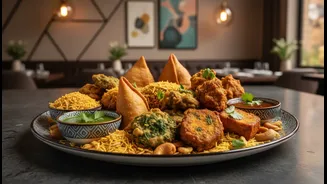
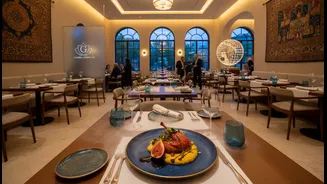
This trend signifies a new level of confidence and ambition for Indian brands. By opening physical restaurants, they are helping to shape the global narrative around Indian food, moving perceptions away from a monolithic 'curry' to a sophisticated and regionally diverse cuisine. It's a form of cultural diplomacy served on a plate. Restaurants from groups like Farzi Café are showcasing modern and molecular gastronomy, while others are focusing on authentic regional specialties that are rarely seen outside of India. This evolution is helping to create a new, contemporary image for Indian food on the world stage, one that is rooted in tradition but presented with international flair.
Challenges on the Menu
The path to global restaurant success is not without its hurdles. The restaurant business is notoriously complex, with high operational costs and intense competition. Expanding internationally adds further layers of complexity, including navigating different food regulations, supply chain logistics, and labour laws. Adapting menus to local palates without compromising on authenticity is a delicate balancing act that many chefs and restaurateurs grapple with. Finding and training staff who can replicate the distinct flavours and hospitality standards across continents is another significant challenge. This high-risk, high-reward strategy requires not just capital, but immense operational discipline and a deep understanding of local markets.