

From Trend to Timeless
After years dominated by sharp minimalism, the shift toward rounded, organic forms in home decor is more than just a passing phase. Curved furniture, from sinuous sofas to arched cabinets, introduces a sense of calm and flow. This aesthetic is rooted
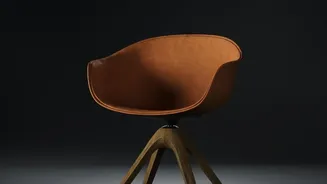
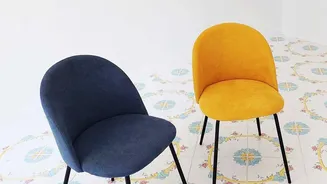
in a desire for our homes to be sanctuaries—welcoming spaces that feel more natural and intuitive. The appeal lies in its visual softness; curves draw the eye gently through a space, breaking up the monotony of straight lines and boxy rooms. Having proven its staying power, the question for homeowners is no longer if they should embrace curves, but how to do so effectively.
The First Principle: Understanding Scale
Before you fall for a crescent-shaped sofa, take a moment to consider scale. In interior design, scale refers to how an object's size relates to the room it occupies. A common mistake is choosing a piece that is either too overwhelming for a small room or too diminutive for a large one. An oversized curved sectional might look stunning in a spacious showroom but can make a standard living room feel cramped. A practical first step is to measure your space. Use painter's tape on the floor to outline the footprint of a potential piece. This simple trick helps you visualize not just the size, but also the pathways for moving around it, ensuring the furniture fits the room's dimensions and function.
Finding Harmony in Contrast
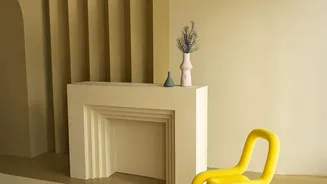
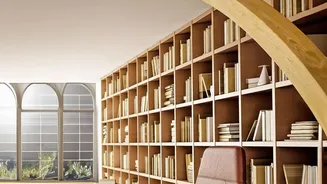
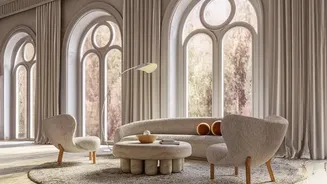
A room filled with only curves can feel visually chaotic and ungrounded. The real magic happens in the mix. The most harmonious spaces balance soft silhouettes with strong, linear elements. Think of a beautifully curved sofa anchored by a rectangular area rug, or a round coffee table paired with a traditional, straight-backed couch. This interplay between shapes creates a dynamic tension that is pleasing to the eye. A good rule of thumb is the 70/30 split: aim for about 70% of your room's elements to be linear (like walls, windows, and shelving) and introduce curves in the remaining 30% through accent pieces. This ensures the curved pieces act as a focal point without overwhelming the senses.
Practical Tips for Placement
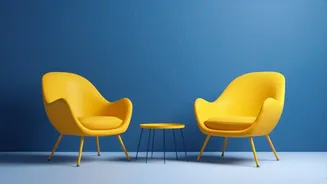
How you place curved furniture is key. A common mistake with pieces like curved sofas is pushing them flat against a wall, which hides their sculptural beauty. Instead, try 'floating' the piece in the room. This showcases its shape from all angles and can help delineate zones in an open-concept space. For example, the back of a curved sofa can create a natural separation between a living and dining area. When pairing items, consider proportion—the way different objects relate to each other. A massive, chunky curved armchair might look out of place next to a delicate, thin-legged side table. The goal is to ensure all pieces in a grouping feel like they belong together.
Starting Small with Curves
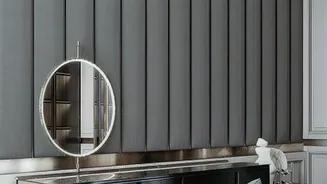
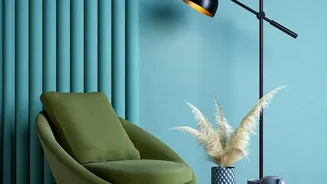
If you're hesitant to invest in a large, curved centerpiece, you can still participate in the trend. Introducing curves through smaller, more accessible items is a great way to start. Consider an arched floor lamp to soften a corner, a round mirror above a rectangular console table, or a set of nesting side tables with organic shapes. Even circular throw pillows or a vase with a gentle curve can add the desired softness without a major commitment. These smaller accents can be just as effective at breaking up rigid lines and adding a touch of elegance and flow to your space, allowing you to experiment with the aesthetic before making a larger purchase.