



1. Mint (Pudina)
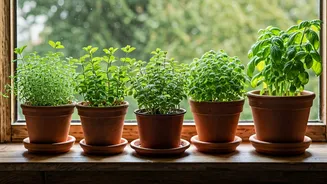
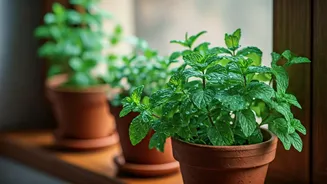
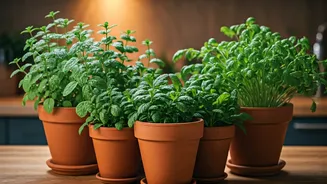
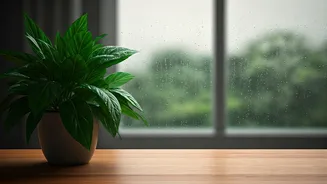
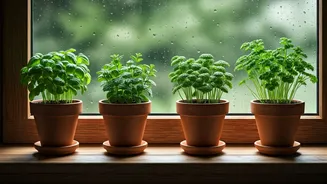
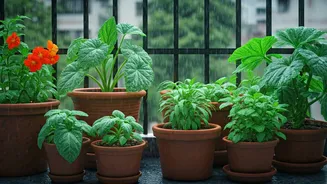
Mint is one of the most resilient and rewarding herbs for a monsoon garden. It flourishes in the moist soil and humid conditions that the rainy season provides. This fast-growing plant spreads quickly, meaning you'll have a steady supply for your chutneys,
teas, and refreshing drinks. For best results, plant mint cuttings in a pot with well-draining soil to prevent the roots from becoming waterlogged. While it loves moisture, it's wise to place the pot in a spot that receives partial or morning sunlight, as intense, direct sun combined with high humidity can stress the plant. If you're experiencing particularly heavy downpours, consider moving potted mint to a shaded or covered area to avoid excess water which can lead to decay. Regular harvesting of leaves will not only provide you with fresh flavour but also encourage the plant to grow bushier and more robust.
2. Holy Basil (Tulsi)
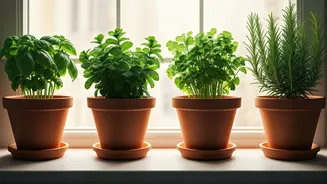
A staple in many Indian households for both culinary and medicinal purposes, Tulsi, or Holy Basil, enjoys the warm and humid weather of the monsoon. This sacred herb is known for its immunity-boosting properties, making it a valuable plant to have on hand during a season known for colds and coughs. To grow Tulsi successfully during the rains, the most crucial factor is drainage. Ensure your pot has ample drainage holes and use a loamy, fertile soil mix. While the plant benefits from rainwater, it is susceptible to root rot if the soil remains constantly wet. Water only when the top inch of the soil feels dry. It is best to place your Tulsi plant where it can receive a few hours of sunlight, ideally morning sun, as this helps it thrive. Regularly pinching off the flower buds will direct the plant's energy into producing more lush, aromatic leaves.
3. Lemongrass
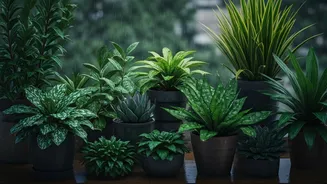
With its refreshing citrusy aroma, lemongrass is another herb that thrives in the high humidity and regular moisture of the monsoon. Native to tropical climates, it's perfectly suited for rainy conditions and grows vigorously during this time. Lemongrass is ideal for adding a zesty flavour to teas, soups, and curries. Plant it in a large, deep pot to give its root system enough space to expand. Good drainage is still important, so avoid letting the pot sit in waterlogged soil. This grassy herb loves full sun, so find a bright spot on your balcony or near a window. During the monsoon, natural rainfall might be sufficient, but always check the soil to ensure it remains consistently moist without being soggy. Regularly trim away any yellow or dried leaves to encourage healthy new growth.
4. Coriander (Dhania)
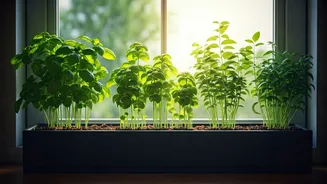
The monsoon provides the ideal environment for growing coriander, an essential garnish in Indian cuisine. The season's cooler temperatures, ample moisture, and high humidity help this fragrant herb to thrive. Coriander grows quickly from seeds and can be ready for harvesting in just a few weeks. For a successful crop, use a light, well-draining soil mix; a combination of garden soil, compost, and sand or cocopeat works well to prevent root rot. Sow seeds about half an inch deep in a wide pot or tray. While coriander needs light, the filtered sunlight typical of cloudy monsoon days is perfect, as intense direct sun can cause the plant to flower prematurely. Be mindful of watering; even in the rain, check that the soil is moist but not waterlogged. Harvest the outer leaves regularly to promote continuous growth throughout the season.