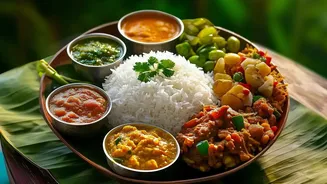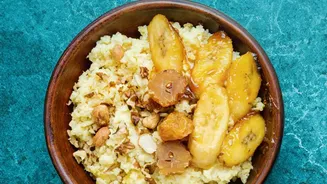




In the frantic pace of urban India, meal times are shrinking but the craving for comfort food is not. A quiet revolution is taking place, where regional breakfast staples are breaking free from the morning routine to become the go-to quick meal.
Beyond the Breakfast Table
For generations,
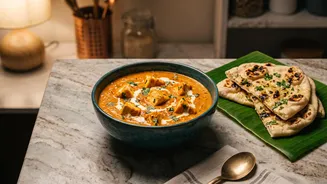
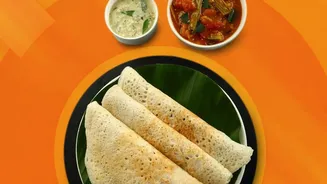
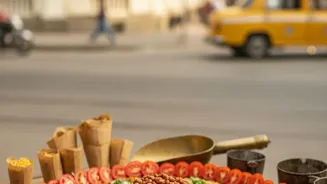
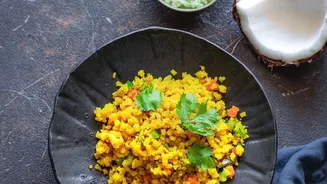
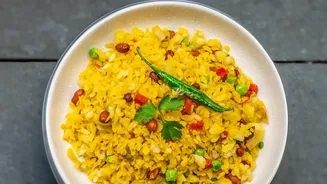
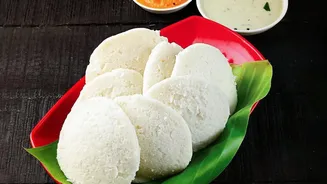
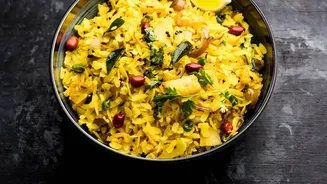
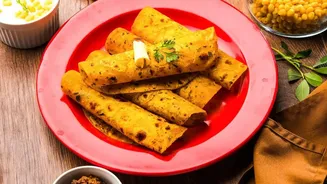
dishes like Poha in Maharashtra, Idli in the South, and Parathas in the North were strictly morning affairs. They were the familiar, comforting start to the day before the chaos of school buses and office calls. Now, these lines are blurring. Urban dwellers are increasingly turning to these traditional dishes for a quick lunch at their desks, a light evening snack, or even a late-night 'brinner' (breakfast-for-dinner). This shift marks a significant change in eating habits, where the time of day no longer dictates the menu. What was once a household ritual is now a convenient, all-day option available at street-side stalls, trendy cafes, and through delivery apps.
The Search for Healthy and Wholesome
As urban Indians become more health-conscious, traditional breakfasts present a compelling alternative to processed fast food. Many of these dishes are inherently healthy. Idlis, for example, are steamed and made from a fermented batter, making them light and easy to digest. Poha, made from flattened rice, is low in calories, rich in healthy carbohydrates and iron, and gluten-free. When prepared with vegetables, dishes like Upma and Poha become a balanced meal, offering sustained energy without the heaviness associated with many quick-service options. This alignment with wellness goals makes them a practical choice for those seeking nutritious yet quick meals.
A Taste of Home and Nostalgia
For the millions who migrate to cities for work and education, food is a powerful emotional anchor. A plate of a familiar regional dish offers more than just sustenance; it provides a comforting taste of home and a connection to one's roots. This 'taste nostalgia' is a significant driver of the trend. In a world of globalised food chains, the authenticity of a traditional recipe evokes positive memories of family and hometowns, making it a deeply satisfying choice. This emotional connection creates a loyal following, as people repeatedly seek out foods that make them feel good in both body and spirit.
The Convenience of the Cloud Kitchen
The rise of food delivery platforms and cloud kitchens has been a game changer. These delivery only kitchens can produce specific regional cuisines efficiently and at a lower operational cost than traditional restaurants. This model allows for incredible variety and accessibility. Craving authentic Misal Pav from Maharashtra or Puttu from Kerala? There is likely a cloud kitchen that specializes in it and can deliver it to your doorstep in minutes. This unprecedented convenience removes the barrier of preparation time, making it easy to enjoy a traditional meal without the effort of cooking, perfectly suiting the fast paced urban lifestyle.
Affordability in a Squeezed Market
In an era of rising costs, the affordability of regional breakfasts is a major draw. A plate of Idli Sambar or Poha often costs significantly less than a burger, pizza, or sandwich from a major chain. This makes them an accessible and budget friendly option for daily consumption, especially for students and young professionals. You can get a filling, flavourful, and relatively healthy meal without straining your wallet. This combination of low cost and high satisfaction ensures that these dishes are not just a one time indulgence but a sustainable, everyday meal choice for a vast urban population.