








From Answering Trivia to Driving Productivity
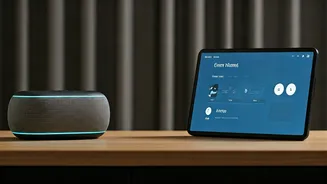
For years, AI assistants like Siri, Alexa, and Google Assistant were largely reactive, responding to simple, direct commands. [2] They could tell you the weather, set a timer, or play music, functioning more as a voice-activated remote control than a true
assistant. [12] This initial phase was crucial for familiarising millions of people with the concept of interacting with AI. However, the real revolution is happening now, as these assistants move from performing single-step queries to executing complex, multi-step workflows. [15] They are becoming proactive, context-aware partners that anticipate needs rather than just responding to requests. [14]
The New Workplace: An AI on Every Desktop
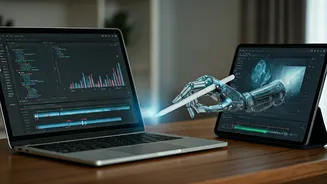
The most significant arena for this shift is the workplace. AI assistants are no longer separate apps but are being deeply embedded into the software professionals use every day. [19] Platforms like Microsoft Copilot and Google's AI for Workspace are transforming how work gets done. [10] These assistants can summarise long email threads, draft reports, create presentations from a simple outline, and analyse data in spreadsheets. [4, 6] The productivity gains are substantial, with research showing that AI-assisted professionals complete tasks up to 25% faster, saving hours each week that were previously lost to administrative work. [10] The focus has moved from single, isolated tasks to orchestrating entire workflows, freeing up human employees to focus on strategic and creative work. [6, 21]
Your Personal Chief of Staff
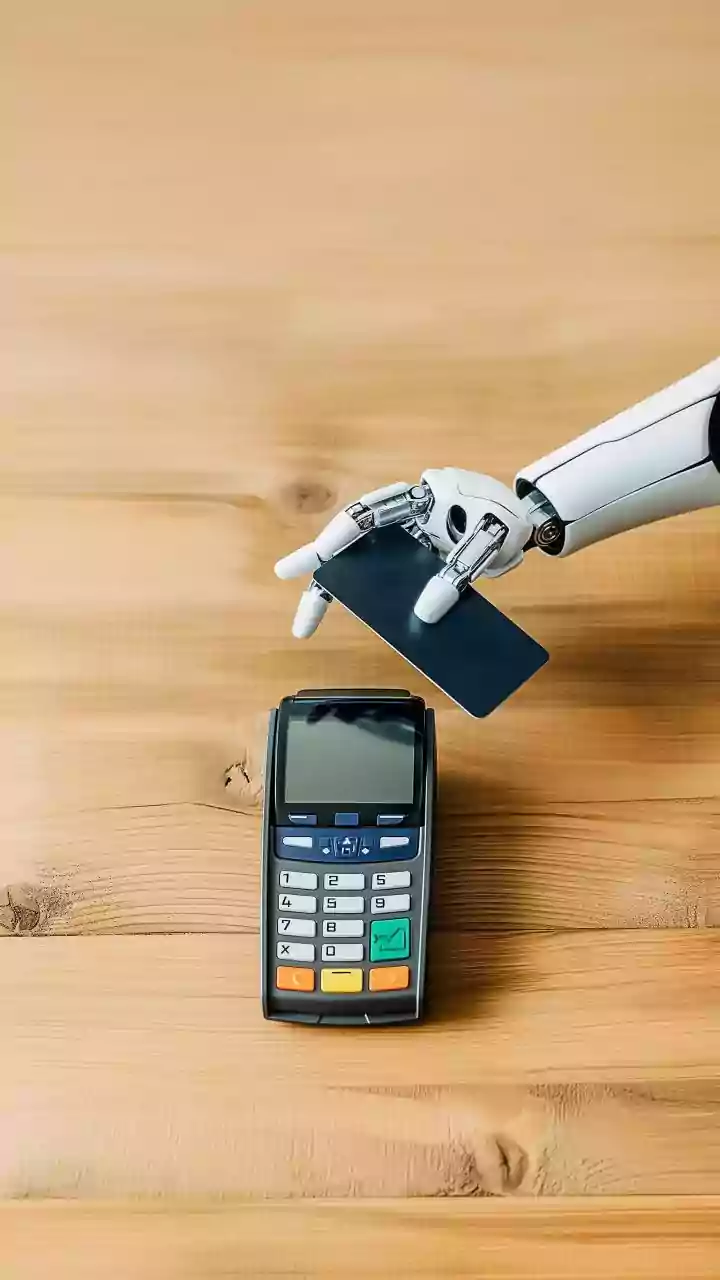
This utility isn't confined to the office. In our personal lives, AI assistants are becoming sophisticated managers of our daily activities. They are moving beyond simple reminders to proactively organising schedules, planning detailed travel itineraries, managing smart home devices, and even helping with personal finance. [4, 7] Newer assistants can understand personal context from emails and messages to help users find information or complete tasks across different apps. [8] For example, Apple's redesigned Siri AI can understand what's on your screen and take action, blurring the lines between different applications. [8, 19] This evolution turns the AI assistant into a true digital concierge that helps manage the complexities of modern life.
The Trend in India: A Nation of Early Adopters
India has emerged as one of the most enthusiastic markets for this technological shift. A recent Adobe report found that Indian consumers are more willing to embrace personal AI agents than anyone else in the Asia-Pacific region. [11, 22] An impressive 60% of Indian consumers are interested in creating their own personal AI agent to handle tasks like customer service and online shopping. [11] This high level of interest is matched by enterprise adoption in sectors like banking, healthcare, and e-commerce, where AI is being used for everything from fraud detection on UPI to providing customer support in multiple Indian languages. [13, 17] While businesses are still working to scale AI from pilot projects to core operations, the appetite for utility-driven AI is unmistakable. [22, 23]
The 'Agentic' Future: AI That Takes Initiative
The next frontier is 'agentic AI'—systems that can autonomously plan and execute complex goals with minimal human intervention. [16] Instead of you asking an assistant to perform a task, you would give it a goal, and the AI agent would figure out the necessary steps, interact with different apps and websites, and complete the workflow on its own. [15] This could look like an AI agent monitoring your inbox, drafting replies based on your custom rules, and updating your project management software without you needing to oversee each step. [15] While still in its early stages, this move towards proactive, autonomous agents represents the ultimate realisation of AI as a utility—a tool that doesn't just assist you, but actively works for you in the background.