




What Exactly Is Sumac?
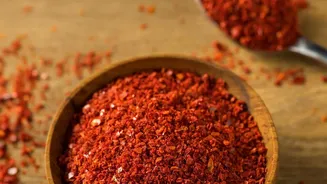
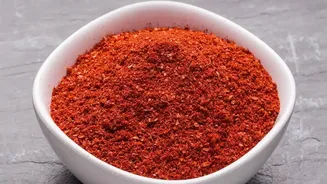
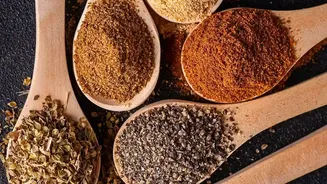
Sumac is a vibrant, crimson-coloured spice made from the dried and ground berries of the Rhus coriaria shrub, which is native to the Mediterranean and the Middle East. The name itself comes from the Aramaic word 'summaq', meaning 'dark red'. For centuries,
long before lemons were widely available, ancient Romans and cooks across the Levant used sumac as their primary souring agent. If you've ever heard warnings about 'poison sumac', rest assured that the culinary variety is a completely different and safe plant. The spice you find in stores comes from these flavourful berries, which are harvested, dried, and ground into a coarse powder, ready to add a pop of colour and flavour to your dishes.
A Burst of Tart, Fruity Flavour
The magic of sumac lies in its unique taste. It delivers a bright, tangy, and fruity flavour reminiscent of lemon, but with more complexity and less sharpness. Think of the tartness of a green apple, thanks to its malic acid content, but with subtle, earthy undertones and a slightly astringent finish that helps cut through rich foods. Its greatest advantage is that it provides acidity without adding any liquid. Unlike lemon juice or vinegar, which can make a salad dressing watery or a dry rub soggy, sumac seasons and brightens all at once, preserving the texture of your dish.
The Perfect Finish for Salads
Sumac is a game-changer for salads. It's a key ingredient in the iconic Middle Eastern fattoush salad, where its tanginess is essential to both the vinaigrette and the final garnish. But its uses are endless. You can whisk it into a simple olive oil and vinegar dressing to add depth and a beautiful pink hue. For a quicker approach, simply sprinkle it directly over sliced cucumbers, tomatoes, and onions for an instant flavour boost. It pairs exceptionally well with creamy textures, so try adding it to a yogurt-based dressing or scattering it over a salad with feta cheese. The bright acidity wakes up all the other ingredients, making even the simplest greens feel intentional and vibrant.
Transforming Roasted Vegetables
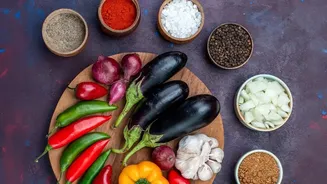
Roasted vegetables, with their natural sweetness and caramelised edges, are a perfect match for sumac's tartness. The spice provides a beautiful contrast that balances the richness, preventing heartier vegetables like sweet potatoes, carrots, or cauliflower from feeling too heavy. You can toss your vegetables with olive oil and sumac before they go into the oven, allowing the flavour to mellow and deepen with the heat. Alternatively, for a brighter, more potent kick, sprinkle it on after they come out of the oven. A generous dusting over roasted fennel, red onions, or sweet pointed peppers can turn a simple side dish into the star of the meal.
Beyond Salads and Vegetables
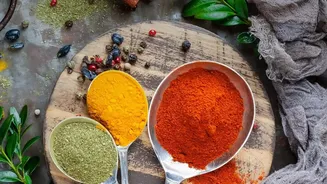
While it shines on vegetables, sumac's versatility doesn't stop there. It's one of the primary components of za'atar, the beloved Middle Eastern spice blend that also includes sesame seeds and herbs like thyme or oregano. Sumac is an excellent addition to marinades and dry rubs for chicken, lamb, or fish, where its acidity helps to balance fatty cuts. Sprinkle it over hummus, labneh, or baba ganoush for authentic flavour and a splash of colour. It can even brighten up breakfast, adding a surprising but welcome tang to fried eggs or avocado toast.
Health Benefits and Where to Find It
In addition to its culinary uses, sumac is packed with antioxidants, including flavonoids and tannins. Studies suggest these compounds may have anti-inflammatory properties, help regulate blood sugar, and contribute to overall heart health. You can find ground sumac in the spice aisle of most major supermarkets, at Middle Eastern grocery stores, and from online spice retailers. When buying, look for a vibrant, deep red colour; a brownish hue can indicate that the spice is old and has lost some of its potency. Store it in an airtight container in a cool, dark place to preserve its bright flavour for up to a year.