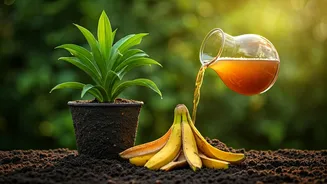







Why Banana Peels Work Wonders
Before you start, it helps to understand why this isn't just an old wives' tale. Banana peels are packed with essential nutrients that plants crave, particularly flowering ones. The star nutrient here is potassium. Potassium is a powerhouse for plants;
it helps regulate water and nutrient movement, strengthens stems, and, most importantly, plays a crucial role in triggering flower and fruit development. Think of it as the nutrient that tells your hibiscus or rose plant, 'It's time to bloom!' Beyond potassium, peels also offer a gentle dose of phosphorus, which supports root growth and energy transfer, along with calcium and magnesium, which aid in cell wall formation and photosynthesis. By creating a liquid spray, you make these nutrients readily available for your plants to absorb quickly, either through their roots or directly through their leaves.
How to Make Your Banana Peel Spray
Making this 'liquid gold' for your plants is incredibly simple and requires no special equipment. It's a fantastic way to embrace a zero-waste lifestyle while nurturing your garden. Here is the easiest method:
1. Collect and Prepare: Start collecting banana peels. You can use them fresh or even dried. Chop the peels from 2-3 bananas into small, one-inch pieces. Chopping them increases the surface area, allowing more nutrients to leach into the water.
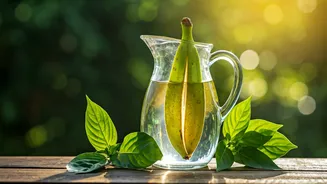
2. Soak the Peels: Place the chopped peels into a clean glass jar (a one-litre jar works perfectly). Fill the jar with tap water, ensuring the peels are fully submerged. Screw the lid on loosely to allow gases to escape.
3. Let it Steep: Store the jar in a cool, dark place, like under your kitchen sink, for about 3 to 5 days. You will notice the water turning a pale, brownish colour. This is a good sign—it means the nutrients are infusing into the water.
4. Strain and Dilute: After a few days, the liquid is ready. Strain it through a sieve or a piece of cloth to remove the solid peel pieces (you can add these to your compost bin). The resulting liquid will be concentrated. For use as a spray, it's best to dilute it. A good ratio is one part banana peel liquid to five parts plain water.
How and When to Use the Spray
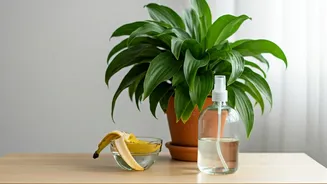
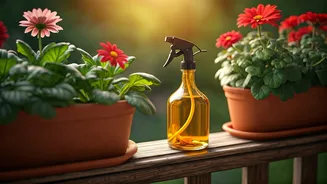
Once your diluted spray is ready, pour it into a clean spray bottle. The best way to use it depends on your goal.
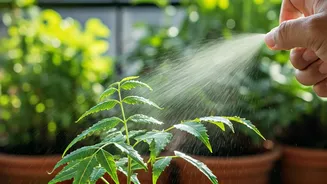
For a Foliar Feed: Lightly mist the leaves of your flowering plants in the early morning or late evening. Avoid spraying in the harsh midday sun, as this can scorch the leaves. This method, known as foliar feeding, allows the plant to absorb the nutrients directly through its leaves for a quick boost.
For a Soil Drench: You can also use the diluted liquid to water your plants directly at the soil level. This feeds the roots and improves the soil's microbial activity over time. A good rule of thumb is to apply this natural fertiliser once every 15-20 days during the growing and flowering season.
Don’t overdo it. While natural, giving your plants too much of anything can disrupt their balance. Consistency is more important than quantity.
Balcony Plants That Love This Treat
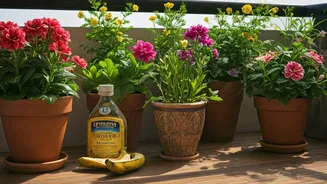
While most plants appreciate a nutrient boost, this potassium-rich spray is particularly beneficial for heavy-flowering and fruiting plants commonly found in Indian balconies. Focus on giving this treat to:
- Roses: Known for being heavy feeders, roses will reward you with more frequent and larger blooms.
- Hibiscus: This spray can encourage the continuous production of those big, beautiful flowers.
- Bougainvillea: A potassium boost helps in producing those vibrant bracts that everyone loves.
- Jasmine (Mogra, Chameli): It can help promote more of those fragrant, delicate blossoms.
- Marigolds and Petunias: These annuals will benefit from the extra energy to keep flowering throughout their season.
- Tomato and Chilli Plants: If you grow vegetables, this spray is excellent for encouraging them to set fruit.
A Few Important Tips
To ensure you have the best experience, keep a few things in mind. First, don't let the peels soak for too long (more than a week), as the mixture can start to smell and may grow mould. If it smells foul, it's best to discard it and start over. Second, the sweet liquid can sometimes attract small pests like fruit flies. Using the diluted spray quickly and cleaning any spills will help prevent this. Finally, remember that this is a supplement, not a complete fertiliser. Your plants will still need good quality soil, adequate sunlight, and proper watering to thrive. This spray is the extra boost that pushes them to perform their best.