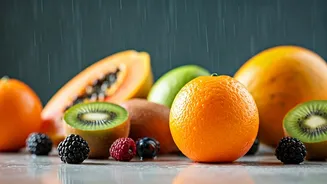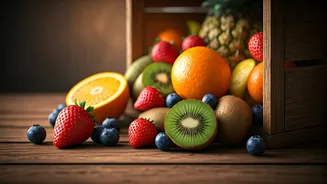






1. Citrus Fruits: The Vitamin C Classic
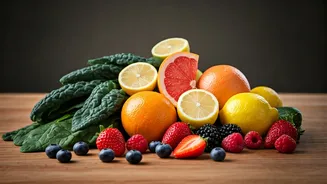
It’s the go-to for a reason. Oranges, grapefruits, lemons, and limes are famously loaded with Vitamin C, a powerhouse antioxidant that plays a crucial role in immune function. Vitamin C is thought to increase the production of white blood cells, which
are key to fighting off infections. Your body doesn't produce or store it, so daily intake is essential for continued support. A single medium-sized orange can provide nearly all of your recommended daily amount. Don't just stick to juice, which can be high in sugar; eating the whole fruit also provides fiber, which supports gut health—another pillar of a strong immune system.
2. Berries: Antioxidant Powerhouses
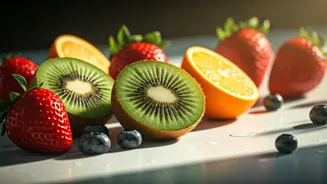
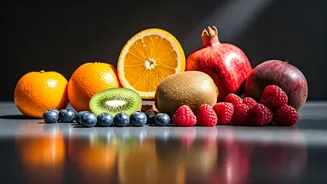
Don't let their small size fool you. Blueberries, strawberries, raspberries, and blackberries are bursting with antioxidants, particularly flavonoids. One type, anthocyanin, which gives berries their vibrant red and blue colors, has been shown to have potent immune-supporting properties. These compounds help your body fight off oxidative stress caused by free radicals, unstable molecules that can damage cells. A state of high oxidative stress can suppress immune function, so loading up on antioxidant-rich foods like berries is a smart defensive strategy. They’re perfect for adding to oatmeal, yogurt, or just eating by the handful.
3. Kiwi: The Under-the-Radar Superstar
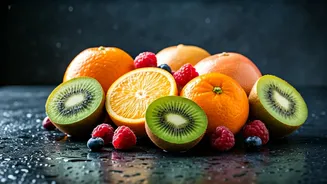
While oranges get all the attention, kiwis are a true nutritional champion. On a per-ounce basis, this fuzzy green fruit packs more Vitamin C than an orange. But its benefits don’t stop there. Kiwis are also a good source of other essential nutrients like Vitamin K, Vitamin E, and potassium. They also contain plenty of antioxidants. The combination of these nutrients works synergistically to support overall health and keep your body's defenses running smoothly. Slicing one in half and scooping it out with a spoon makes for a perfect, easy snack.
4. Papaya: The Tropical Boost
Another fruit loaded with Vitamin C, a single papaya can contain double your daily recommended intake. Papayas also contain a digestive enzyme called papain, which has anti-inflammatory effects. Since chronic inflammation can tax your immune system, foods that help manage it are a valuable addition to your diet. Furthermore, papayas are a decent source of potassium, B vitamins, and folate, all of which are beneficial for your overall health. For a simple boost, add cubes of fresh papaya to a smoothie or a fruit salad.
5. Pomegranate: The Protective Seeds
Pomegranates have been used for centuries for their medicinal properties, and modern science is beginning to understand why. The ruby-red seeds (called arils) and the juice are packed with powerful antioxidants, including punicalagins, which are almost exclusive to this fruit. Studies suggest these compounds are incredibly potent—pomegranate juice has been found to have higher antioxidant activity than red wine or green tea. These antioxidants can help reduce inflammation and may have properties that help combat common viruses. Sprinkle the arils on salads, yogurt, or just enjoy them on their own for a tart, juicy crunch.
6. Apples: The Everyday Defender
An apple a day might not literally keep the doctor away, but it certainly helps. Apples are a great source of soluble fiber, which can help reduce inflammation and supports a healthy gut microbiome—a critical component of your immune system. They also contain a key flavonoid called quercetin. Found mostly in the skin, quercetin has been studied for its antioxidant and immune-balancing effects. It's a great reminder to eat the whole fruit, skin and all, to get the full spectrum of benefits. It’s the easiest and most accessible fruit on this list, making it a reliable staple.