





The Myth of the 'Post-Monsoon' Month
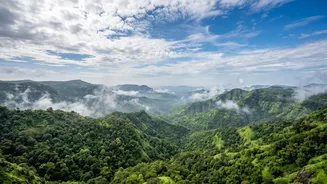
Many travellers imagine September as a dry, pleasant month that immediately follows the heavy monsoon rains of July and August. The reality is far more complex. September is a transitional period across India, marking the gradual withdrawal of the Southwest
Monsoon. This withdrawal is not like flipping a switch; it's a staggered process that can be unpredictable. While rainfall generally decreases compared to the peak monsoon months, sudden, intense showers are common. Some regions, particularly in the east and northeast, may still experience significant rainfall well into September. The official withdrawal from the extreme north-western parts of the country doesn't even begin until the first of September and can be delayed, meaning many areas remain in a state of flux. This variability is why a trip planned weeks in advance based on typical 'end-of-monsoon' expectations can run into trouble.
A Regional Weather Roulette
India's diverse geography means September weather is anything but uniform. In the northern plains and Rajasthan, the weather may become drier and more stable, making it a good time for sightseeing. However, in the Himalayas, the tail end of the monsoon can still trigger landslides and block roads, even as sunny days become more frequent. Coastal areas like Goa and Kerala remain hot and humid, with a continued chance of heavy downpours, even though the worst of the rain has passed. Meanwhile, the east coast, including Tamil Nadu and Odisha, enters a period vulnerable to cyclones that form over the Bay of Bengal during the retreating monsoon season. These storms can bring torrential rain and high winds, causing significant disruption. A single forecast for 'India' is useless; you need to check the specific micro-climate of your destination.
The Ripple Effect on Your Itinerary
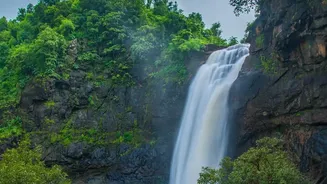
Unpredictable weather is more than a minor inconvenience; it can have a major impact on your travel plans. A sudden downpour can lead to waterlogging in cities, causing traffic chaos and travel delays. In mountainous regions, heavy rain poses a serious risk of landslides, which can shut down highways for hours or even days, potentially stranding travellers. Flights can be delayed or cancelled due to poor visibility or stormy conditions. Even outdoor activities planned for a sunny day can be abruptly washed out. Waterfalls and rivers, beautiful attractions post-monsoon, can become dangerously swollen with little warning. Checking the weather just before you leave allows you to anticipate these potential disruptions and have a backup plan, turning a potential disaster into a manageable detour.
Your Modern Weather Toolkit
Relying on a single, generic weather app is no longer enough. For travel in India, it's best to use a combination of resources. Start with the official India Meteorological Department (IMD) website, which provides district-level warnings and detailed forecasts. Many modern weather apps like Meteored and Skymet Weather also integrate IMD alerts and offer detailed, localised data. Some travellers also find apps like Windy useful for visualising weather models. The key is to check multiple sources in the 24-48 hours before you travel and each morning of your trip. Look beyond just the temperature and rain probability; check for alerts on wind speed, humidity, and warnings for severe weather events like thunderstorms or cyclones. This level of detail helps you make informed decisions, from what to wear to whether a planned road trip is safe.
Packing for Every Possibility
Given the variable conditions, smart packing is essential for a September trip. Lightweight, breathable fabrics like cotton and linen are a good base, as humidity is often high even when it's not raining. However, always include a reliable waterproof layer, such as a lightweight rain jacket or poncho. Quick-drying clothes are also a smart choice. Don't forget an umbrella. If you're heading to the mountains, pack layers. A light jacket or fleece is crucial, as temperatures can drop suddenly, especially in the evenings or at higher altitudes. For footwear, comfortable walking shoes are a must. Consider bringing a pair of sandals or waterproof footwear for days with unexpected showers, but avoid relying solely on them for extensive walking. A scarf is a versatile accessory for modesty, sun protection, and a bit of warmth.