



The Science of a Breathing Pot
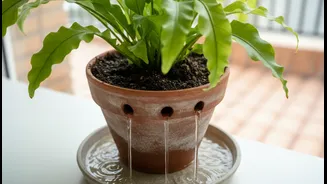
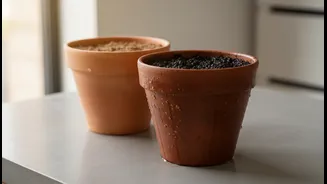
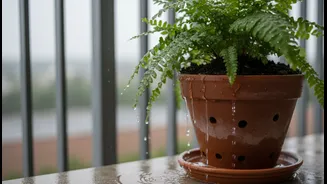
Unlike plastic or glazed ceramic pots that trap moisture, unglazed terracotta is made from porous clay that allows air and water to pass through its walls. This process, often called "breathing," means that excess water wicks away from the soil and evaporates
from the pot's surface. The benefit is clear: it drastically reduces the risk of overwatering and the subsequent root rot, which is one of the most common ways people accidentally kill their houseplants. This airflow also helps regulate soil temperature, keeping roots cooler in the summer heat by allowing heat to dissipate. You might even notice a white, crusty film on older pots; this is simply the visual evidence of water and mineral salts migrating through the clay.
Ideal Plants for Terracotta
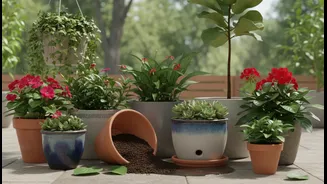
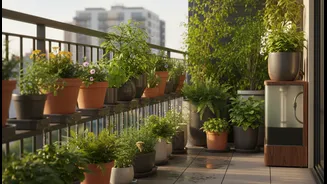
The key to success with terracotta is choosing plants that appreciate a dry spell. These are typically species native to arid or Mediterranean climates. Cacti and succulents are the most obvious candidates; their root systems are highly susceptible to rot and thrive in conditions where the soil can dry out completely between waterings. Mediterranean herbs like rosemary, thyme, lavender, and sage also flourish, as the pot mimics their preferred well-draining, gritty native soil. Indoors, popular choices include snake plants (Sansevieria) and ZZ plants (Zamioculcas zamiifolia), both of which are famously tolerant of infrequent watering and benefit from the excellent aeration terracotta provides. Flowering plants like geraniums and marigolds also do well, developing stronger roots and more vibrant blooms when protected from overly wet conditions.
When to Avoid Terracotta
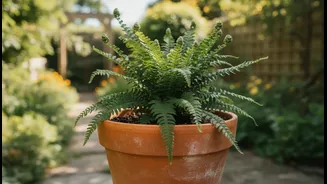
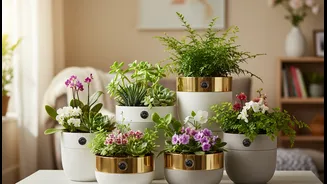
Just as some plants love to dry out, others need consistently moist soil to survive. For these moisture-loving varieties, terracotta can be a death sentence, wicking away water faster than the plant can absorb it. Ferns, for example, with their delicate fronds and need for dampness, are generally poor choices for terracotta. Likewise, many tropical foliage plants like caladiums, irises, and cardinal flowers prefer to stay evenly moist and will struggle with the rapid drying cycles of a clay pot. If you have your heart set on using terracotta for these plants, you must be prepared to water far more frequently, potentially daily during warm weather. An alternative is using a glazed ceramic or plastic pot, which retains moisture much more effectively.
Climate and Watering Habits Matter
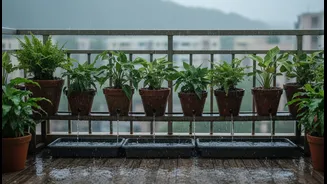
A plant and its pot don't exist in a vacuum; your local climate and personal habits are crucial parts of the equation. In a hot, dry, or windy climate, terracotta pots will dry out extremely quickly, which can stress even drought-tolerant plants if you're not vigilant with watering. You may need to water daily in the peak of summer. Conversely, in a cool or humid climate, terracotta's drying properties can be a huge advantage, preventing soil from becoming waterlogged in damp conditions. Your own tendencies as a gardener are just as important. If you are a chronic over-waterer, terracotta can be a forgiving choice, providing a buffer against your own generosity. If you tend to forget to water, however, you might find more success with plastic or glazed pots that offer a longer window before the soil becomes bone-dry.
Getting the Most from Your Pot
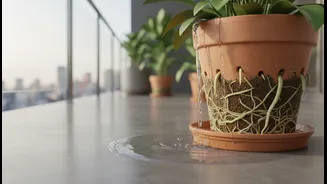
A few simple steps can help you use terracotta more effectively. Before potting a plant, it’s a good practice to soak a new terracotta pot in water for at least an hour, or even overnight. This saturates the clay, preventing it from immediately wicking all the moisture out of the fresh soil. When using terracotta indoors, always place a protective saucer underneath, as the pot's porosity means moisture can seep through and damage furniture. Finally, remember that while terracotta pots are sturdy, their porous nature makes them vulnerable to cracking in freezing temperatures if the clay is saturated with water. It's best to bring them indoors or to a sheltered location during harsh winter weather to ensure they last for many seasons.