
The Allure of an Autumn Visit
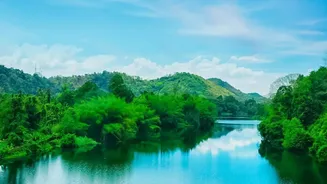
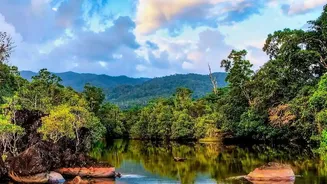
While many associate Sohra with its record-breaking monsoon rains, the real secret lies in the season that follows. From October to November, the landscape, freshly rejuvenated by months of rain, is at its most vibrant. The weather becomes pleasant and the air
crisp, offering clear, panoramic views of the hills and valleys that are often hidden by fog during the peak monsoon. This period strikes a perfect balance: the waterfalls are still magnificent and full-flowing, but the trails are safer and more accessible for trekking and exploration. It's a serene window to experience the region's intense greenery without the constant downpour, making it ideal for photography and comfortable sightseeing.
The Living Root Bridges: Nature's Architecture
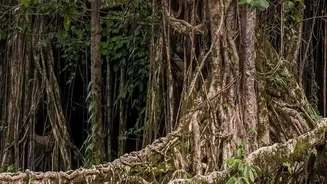
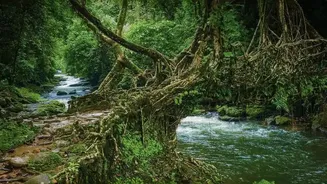
Meghalaya's most iconic marvels are the living root bridges, a testament to the ingenious bio-engineering of the indigenous Khasi and Jaintia tribes. For centuries, they have guided the aerial roots of the Ficus elastica (rubber fig) tree across rivers, creating natural bridges that grow stronger over time. Unlike concrete structures that crumble, these bridges can last for over 500 years and support dozens of people at once. The most famous of these is the Umshiang Double-Decker Root Bridge in Nongriat village. Reaching it requires a significant trek, involving a descent of approximately 3,500 steps from the starting point at Tyrna village. The journey, which takes a few hours each way, winds through dense forests and across steel suspension bridges, but the reward is a sight unlike any other in the world—a two-tiered, living structure straight out of a fantasy.
Chasing Post-Monsoon Waterfalls
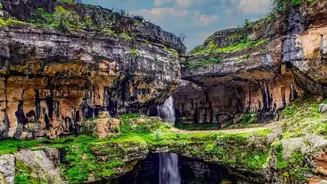
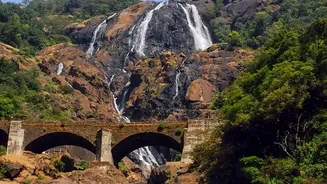
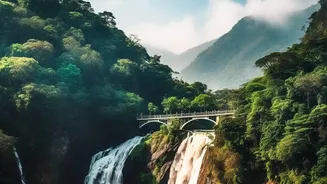
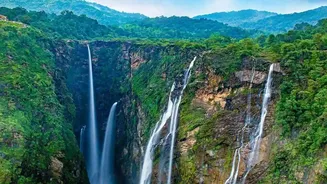
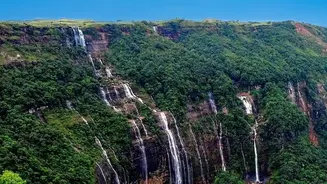
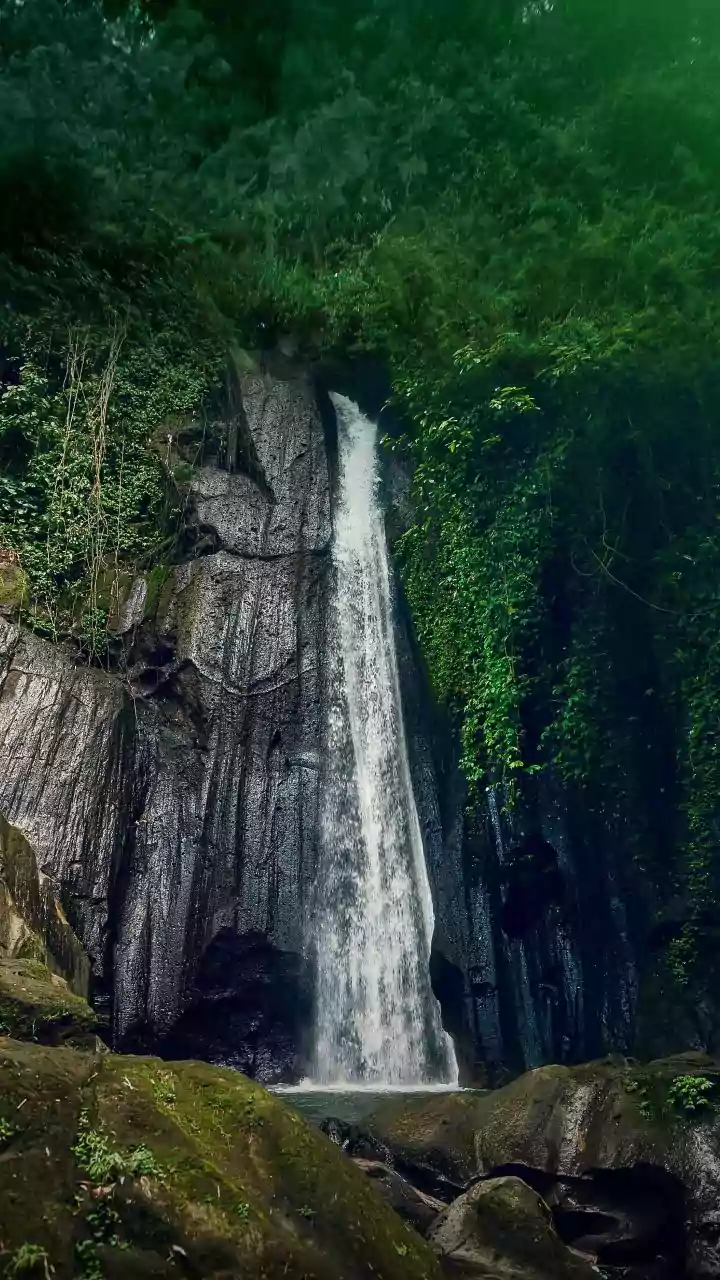
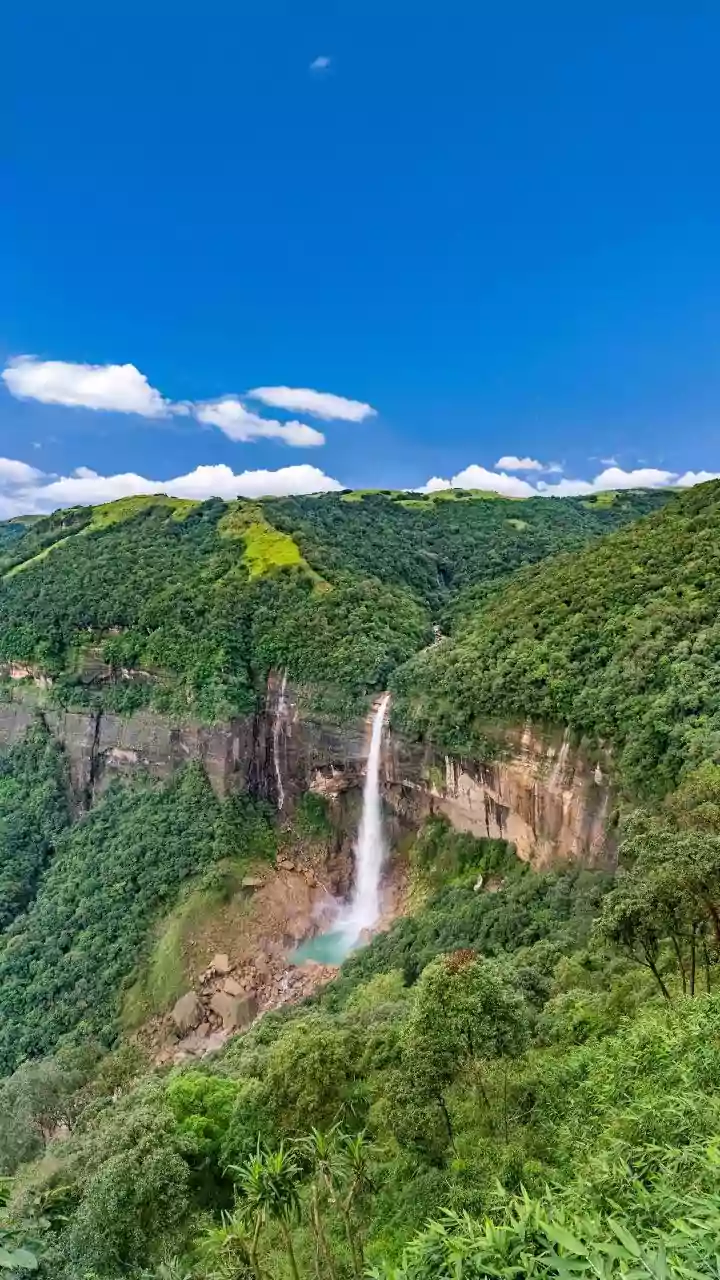
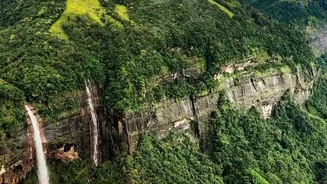
Autumn is an excellent time to witness Sohra's legendary waterfalls, as they remain powerful after the monsoon but are often more visible without the dense fog. Nohkalikai Falls, India's tallest plunge waterfall, is a truly spectacular sight, dropping 340 metres into a turquoise-green pool below. The name carries a tragic local legend of a woman named Likai who jumped from the cliff, adding a layer of poignant history to its natural beauty. Another must-see is the Nohsngithiang Falls, popularly known as the Seven Sisters Falls. This segmented waterfall features seven distinct streams cascading down limestone cliffs, offering a majestic view, especially when illuminated by the sun. Dainthlen Falls, associated with another Khasi legend, also provides a dramatic vista where you can stand near the edge where the river plunges into the gorge.
Planning Your Sohra Adventure
Reaching Sohra, which is about 54 km from Shillong, is best done by road. The nearest major airport with wide connectivity is in Guwahati, Assam, approximately 167 km away, from where you can hire a private or shared taxi for the scenic drive. Accommodation in and around Sohra ranges from resorts to cozy homestays that offer a taste of local Khasi hospitality. For the trek to the double-decker bridge, it’s advisable to start early from Tyrna village to allow ample time to complete the round trip before sunset. Beyond the main sights, consider exploring the Mawsmai Cave, a well-lit and accessible limestone cave system that offers a fascinating look into the region's geology. While autumn days are pleasant, evenings can be cool, so packing layers, a light jacket, and a raincoat for occasional showers is recommended.