


Why Mint is Perfect for Urban Homes
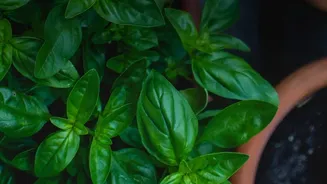
Mint, or pudina, is one of the most practical and rewarding herbs to grow at home in India. It is famously beginner-friendly and thrives in the warm, humid conditions typical of many Indian regions. Its uses are endless, from flavouring everyday recipes
like biryani and lemonade to its role in Ayurvedic home remedies for digestion and its cooling properties. Beyond its culinary value, this fast-growing herb adds a splash of bright green and a pleasant fragrance to any small space, making it an ideal resident for a kitchen windowsill or a small balcony.
Getting Started: Cuttings and Pots
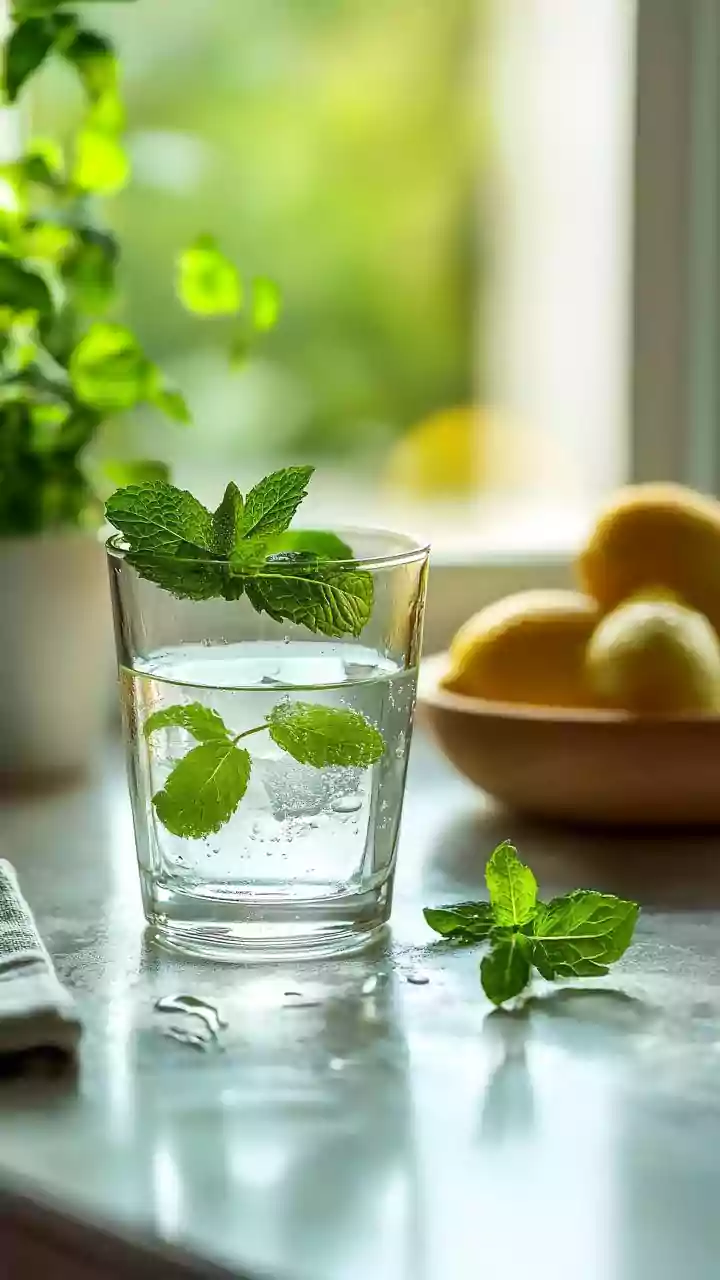
You don't need to buy a nursery plant to start your mint garden. The easiest way is to use cuttings from a fresh bunch of mint bought at your local market. Select a few healthy-looking stems, about 4-6 inches long, and strip the leaves from the bottom half. You can place these stems in a glass of water, and within a week or two, you should see small white roots begin to form. Once the roots are an inch or two long, they are ready to be planted in soil. Choose a pot that is wide rather than deep, at least 10-12 inches across, as mint spreads through runners. Most importantly, ensure the pot has drainage holes to prevent waterlogging.
The Right Soil and Sunlight
Mint is not overly fussy about soil but flourishes in a well-draining, fertile mix. A combination of standard potting soil, compost, and a bit of cocopeat or perlite works well to retain moisture while allowing for good aeration. When it comes to sunlight, mint is adaptable. It needs at least four to six hours of light daily. An east-facing window that receives gentle morning sun is ideal. In the intense Indian summer, especially in hotter cities, a south or west-facing window might be too harsh, so providing some afternoon shade is beneficial to prevent leaves from scorching.
Watering Wisdom for Every Season
The golden rule for watering mint is to keep the soil consistently moist but never waterlogged. Overwatering is a common mistake that can lead to root rot, which you might notice if the leaves start yellowing. A good practice is to check the top inch of soil with your finger; if it feels dry, it's time to water. Your watering schedule will need to change with the Indian seasons. During hot summer months, your potted mint might need watering daily. During the monsoon, reduce watering and pay close attention to drainage to avoid soggy soil. In the cooler winter months, the plant's growth will slow, and it will require less frequent watering.
Harvesting for Bushy, Endless Growth
Regular harvesting is the secret to a healthy, bushy mint plant. Pinching off the top leaves and stems encourages the plant to grow outwards, producing more side shoots and leaves. If you see flower buds forming, it is best to pinch them off immediately. Flowering can cause the plant to become leggy and may make the leaves taste bitter. Frequent trimming not only provides you with a steady supply of fresh pudina for your kitchen but also keeps the plant compact and productive, preventing it from growing tall and sparse.
Troubleshooting Common Problems
Even this hardy herb can face issues. If your mint stems look sparse and stretched out ('leggy'), it is likely a cry for more sunlight. Yellowing leaves are often a sign of overwatering or poor drainage. Pests like aphids or spider mites can sometimes appear, especially on indoor plants. Often, a strong spray of water can dislodge them, but for more persistent issues, a gentle application of neem oil solution is an effective organic remedy. Good air circulation around the plant can also help prevent fungal issues like powdery mildew, which can occur in humid conditions.