


The beautiful, intricate banana flower, a beloved ingredient in many Indian cuisines, has one frustrating trait: it browns almost instantly. But a simple kitchen trick, backed by science, can keep your 'vazhaipoo' or 'mocha' perfectly pale.
The Browning Problem Explained
Anyone who
has prepped a banana blossom knows the race against time. The moment you cut into the florets or the tender heart, they begin to discolour, turning from a creamy white to an unappealing brown. This process is known as enzymatic browning. It happens when an enzyme naturally present in the flower, called polyphenol oxidase (PPO), is exposed to oxygen in the air. This reaction creates melanin, the same pigment that colours our hair and skin, resulting in the brownish hue. While it doesn't make the flower unsafe to eat, it can affect the visual appeal of your final dish. The browning is rapid, which is why cooks have long sought ways to slow it down.
What is Acidulated Water?
The hero in this culinary story is acidulated water. It sounds technical, but it’s simply water that has had a small amount of acid added to it. You don't need a chemistry set—just common ingredients from your own kitchen. The most popular choices are lemon or lime juice, or a splash of white vinegar. In many Indian households, a traditional and highly effective alternative is to use thin buttermilk or 'chaas'. Some recipes also call for water mixed with tamarind or a pinch of turmeric powder. The goal is to create a slightly acidic bath to hold the chopped banana flower until it’s time to cook.
The Science of the Soak
So, how does this acidic bath work its magic? The browning enzyme, PPO, is very sensitive to its environment, particularly its pH level. Enzymes work best within a specific pH range. By adding an acid like lemon juice or vinegar to the water, you lower its pH significantly. When the chopped banana flower is submerged in this acidic solution, the low pH deactivates the polyphenol oxidase enzyme, effectively stopping the browning reaction in its tracks. Plain water provides a barrier from the air but doesn't change the pH, so browning still occurs, albeit slower. The acidulated water soak ensures the florets retain their delicate, pale colour, making for a much more vibrant and appetizing 'poriyal' or 'ghonto'.
Your Step-by-Step Guide
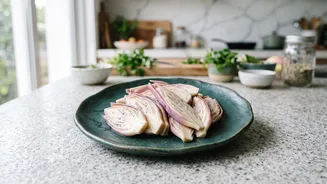
To properly prepare your banana flower, a little setup goes a long way. First, apply some oil to your hands and knife to prevent the flower's sap from staining them. Prepare a large bowl of acidulated water by mixing about two tablespoons of lemon juice or vinegar for every litre of water. Begin by peeling off the tough, outer purple leaves, known as bracts. Underneath each bract, you'll find a row of small florets. For each of these larger florets, you need to remove two inedible parts: a tough, matchstick-like pistil and a small, translucent petal or calyx at its base. These parts can be bitter and hard if cooked. As you clean each floret, immediately drop it into the bowl of acidulated water. Continue this process until you reach the tender, pale heart of the blossom, which can be chopped and added directly to the water. Let everything soak until you are ready to cook.
Beyond Just Colour
While preserving colour is the main benefit, soaking the banana flower has another advantage. The process can also help to leach out some of the natural bitterness or astringency (often called 'kasapu' in South India). Soaking, particularly in buttermilk, has long been a traditional method to improve both the colour and taste of the final dish. Many home cooks find that this step results in a milder, more pleasant flavour. Before cooking, it's a good practice to give the soaked florets a quick rinse in plain water to remove any excess acid, ensuring it doesn’t overpower the flavour of your dish. Some even recommend adding salt to the soaking water to further help with bitterness.
Dishes That Shine Bright
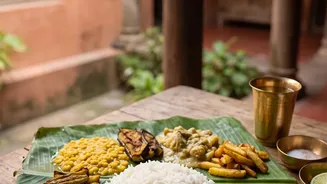
This simple technique is the foundation for countless delicious banana flower dishes across India. In Tamil Nadu, it's essential for a perfect Vazhaipoo Poriyal, a stir-fry with coconut and spices. In Bengal, the beloved Mocha Ghonto, a rich, spiced dish often cooked with potatoes, relies on well-prepped blossoms. From crispy Vazhaipoo Vadais in the south to savoury curries and salads enjoyed across the country, starting with bright, properly soaked banana flower makes all the difference. By embracing this easy tip, you can confidently bring this incredibly nutritious and versatile ingredient into your regular cooking rotation.