







The Hidden Hurdle in Your Itinerary
A transit visa is a temporary, short-term document that allows a traveller to pass through a country en route to their final destination. It doesn't permit you to explore the city, but it's often a mandatory requirement simply to get to your connecting
flight. The need for one depends on your nationality, the transit country, the duration of your layover, and even the specific airport. A common misconception is that if you don't leave the airport, you're exempt from visa rules. This is dangerously untrue for many popular hubs for Indian travellers. Forgetting this small detail can lead to being denied boarding, effectively ending your trip before it even begins.
When Is a Transit Visa Required?
The rules vary significantly, but you will likely need a transit visa if your journey involves certain conditions. One of the most common triggers is when you have to pass through immigration to get to your next flight. This can happen if you need to change terminals, if the airport has no sterile international transit zone, or if you've booked separate tickets and need to collect and re-check your baggage. Countries like the United States, for example, require virtually all passengers, including Indian citizens, to clear immigration upon arrival, meaning a transit visa (or an existing valid visa like a B1/B2) is mandatory even for a short layover. Similarly, the UK and many Schengen countries have strict rules that depend on your final destination and the specific visa you hold.
The Real-World Consequences of a Mistake
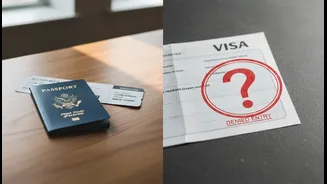
The consequences of not having a required transit visa are severe and immediate. The first line of defence is the airline check-in counter. Airlines are fined heavily for transporting passengers with improper documentation, so they are extremely strict about enforcement. If the system flags that you need a transit visa you don't have, you will be denied boarding. There are countless stories of travellers, including families, being turned away at the airport, losing the entire cost of their non-refundable tickets and accommodation. In a worse-case scenario, if you somehow manage to board and land in the transit country, immigration authorities can detain you and deport you back to your point of origin at your own expense. It’s a stressful, expensive, and entirely avoidable situation.
Your Pre-Flight Checklist for Visas
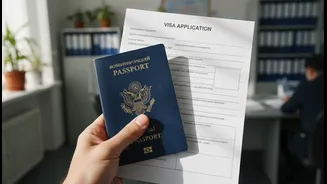
So how can you avoid this travel catastrophe? The key is proactive research before you even book your flights. First, use the IATA Travel Centre, a resource used by airlines themselves, which provides personalised passport, visa, and health requirements for your specific itinerary. Secondly, always double-check on the official embassy or consulate website of the transit country for the most accurate and up-to-date information tailored to Indian passport holders. Don't rely on advice from friends or old travel forums, as visa rules can and do change frequently. For example, France recently lifted its airport transit visa requirement for Indian citizens, but many other European nations still require one. Finally, when booking, pay attention to the layover airport. Sometimes, choosing a slightly different route can save you the hassle and cost of a visa application.
Don't Assume Your Airline Will Warn You
A critical point many travellers misunderstand is that the responsibility for having the correct travel documents is entirely on the passenger. While some airline booking systems may show a warning, many do not. The airline's job is to sell you a ticket; it is your job to ensure you are legally able to complete the journey described on that ticket. The fine print in the terms and conditions you agree to during purchase almost always states this. Therefore, never assume that because an airline sold you a ticket, you are automatically clear to fly. The 'I didn't know' defence will not work at the check-in counter. Diligence is your best and only protection.