



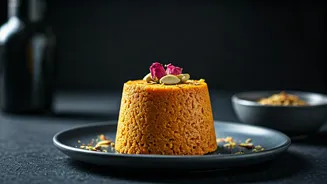


An Unexpected Culinary Mashup
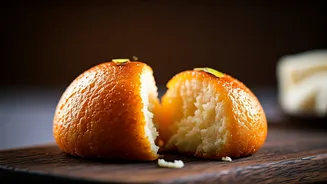
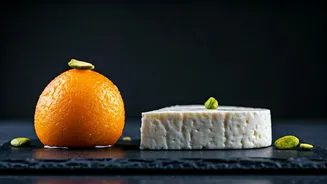
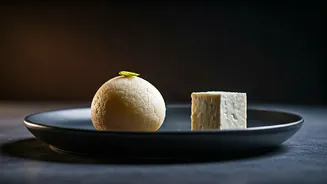
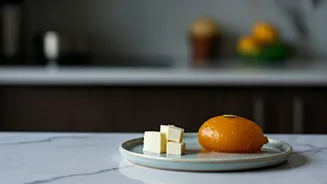
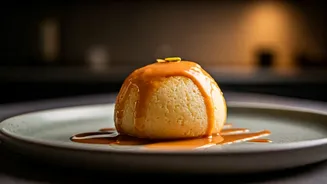
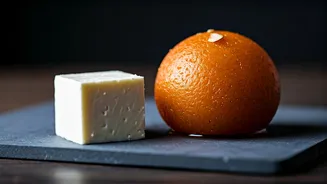
Imagine a classic, syrup-soaked rasgulla, the beloved sweet made from fresh cheese balls known as chhena. Now, picture it paired with another form of cheese—sometimes a creamy, melted layer on top, other times incorporated into a cheesecake. This is the essence
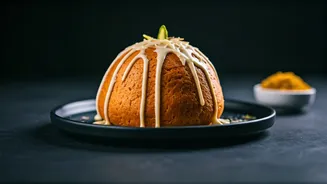
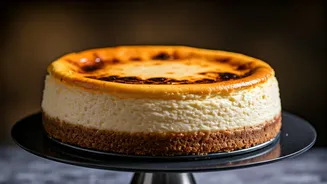
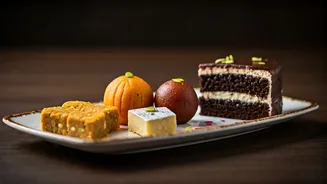
of the rasgulla and cheese trend that has captured the curiosity of food lovers across India. The trend isn’t monolithic; variations include everything from a slice of processed cheese melted over a warm rasgulla to elaborate Gulab Jamun Cheesecakes and Rasmalai Tiramisus, which have paved the way for more experimental dessert fusions. This particular pairing of simple rasgulla and cheese stands out for its direct and bold contrast, challenging traditional notions of how Indian sweets should be enjoyed.
The Science of Sweet and Salty
The appeal of this combination isn't as strange as it might seem. In fact, it taps into a well-established flavour principle: the magic of sweet and salty. Our taste buds are wired to enjoy contrast. When we consume sugar, it signals energy and triggers a pleasure response in our brain. Salt, a necessary nutrient, is a natural flavour enhancer. When paired together, salt can actually suppress bitterness and, in doing so, make the sweetness of the sugar seem more intense and complex. This creates a more balanced and satisfying sensory experience, a phenomenon chefs call 'flavour layering'. Think of salted caramel, chocolate-covered pretzels, or even prosciutto with melon—rasgulla and cheese operates on the same delicious logic.
Redefining Comfort in the Digital Age
Food trends in 2026 show a clear pattern: consumers are seeking comfort, but they also crave novelty. A trend termed 'Newstalgia' captures this perfectly, blending nostalgic foods with modern, unexpected twists. For many Indians, rasgulla is a taste of childhood, festivals, and family gatherings—a symbol of joy and well-being. Pairing it with cheese, a globally recognized comfort ingredient, creates a hybrid dish that is both familiar and exciting. It’s an experience designed for social media, where visually striking and unusual food combinations thrive. This trend is part of a larger movement towards 'mindful escapism', where indulgence is seen as a tool for emotional support, offering 'bite-sized joy' in a complex world.
A History Rooted in Cheese
While pairing rasgulla with a slice of cheddar might be new, the sweet itself is fundamentally a cheese-based dessert. Rasgulla is made from chhena, a fresh, unripened cheese created by curdling milk with an acid like lemon juice. This chhena is kneaded until smooth, rolled into balls, and then boiled in a light sugar syrup. So, in a way, this trend isn't combining a sweet with cheese so much as it is combining one type of cheese with another. This fact might help explain why the textures and base flavours can work together, even if the initial idea seems jarring. The entire family of iconic Indian sweets like sandesh, chhena poda, and rasmalai are all built on this same cheesy foundation.
The Verdict From Food Enthusiasts
Like any polarizing food trend, the rasgulla and cheese combination has its champions and its critics. For many, it's a delightful discovery. They praise the balance of the sugary syrup with the salty, umami notes of the cheese, creating a flavour profile that keeps you coming back for more. It hits the notes of both a dessert and a savoury snack simultaneously. For others, it’s a step too far. Purists argue that the delicate flavour of a well-made rasgulla is overpowered by the strong taste of processed cheese. They see it as a novelty act, fun for a single try and a social media post but lacking the timeless appeal of the original. Regardless of which side one lands on, the trend has sparked a lively conversation about tradition, innovation, and what it means for a food to be comforting.