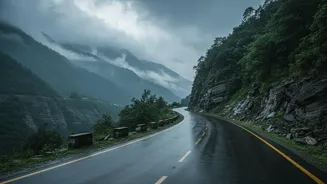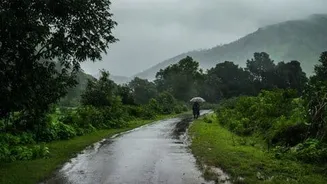




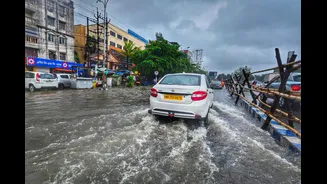
The Reality Behind the Rain-Soaked Scenery
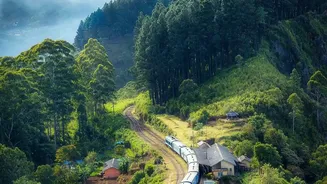
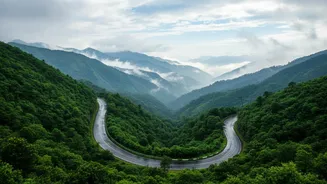
The magic of the monsoon can transform a landscape, but it also brings significant dangers, especially in the geologically fragile Himalayas and the steep slopes of the Western Ghats. Heavy rainfall saturates the soil, dramatically increasing the risk
of landslides that can block roads for hours or even days. Flash floods can turn gentle streams into raging torrents, washing away sections of road and making causeways impassable. According to the Geological Survey of India, about 12.6% of India's land area is prone to landslides, with regions like Himachal Pradesh, Uttarakhand, and Kerala being particularly vulnerable during the monsoon. The danger is often not the rain you are driving through, but what the accumulated rainfall has already done to the slopes and roads ahead. A beautiful drive can quickly become a hazardous situation, leaving travellers stranded.
How to Decode Weather Alerts
The India Meteorological Department (IMD) uses a simple colour-coded system to warn citizens of potential weather hazards. Understanding these alerts is the first step in making an informed decision about your travel plans. A 'Green' alert means all is well, while a 'Yellow' alert advises you to 'Be Aware' and stay updated, as weather conditions could change. An 'Orange' alert is a call to 'Be Prepared' for potentially disruptive weather like heavy rainfall, which could lead to traffic congestion and road blockages. A 'Red' alert is the most serious, advising you to 'Take Action'. This often means extremely heavy rainfall is predicted, posing a significant threat to life and property, and non-essential travel should be avoided. Checking the IMD's district-specific forecasts is crucial, as conditions can vary dramatically within a single state.
Your Go-To Sources for Reliable Information
Before you even start the engine, a few minutes of research can save you hours of trouble. The primary source for weather is the official IMD website, which provides detailed forecasts. For road conditions, the National Highways Authority of India (NHAI) provides updates, sometimes through its Rajmargyatra app. Many state police departments, especially in hill states like Himachal Pradesh and Uttarakhand, actively post real-time road closure and traffic diversion information on social media platforms like X (formerly Twitter) and Facebook. Additionally, the websites of State Disaster Management Authorities (SDMAs) are excellent resources for specific local advisories. Checking these sources gives you a comprehensive picture of both the weather and the ground reality of your intended route.
Essential Pre-Trip Vehicle Health Check
Your vehicle is your lifeline on a hill trip, and its condition is paramount in wet weather. Ensure your tyres have a tread depth of at least 3mm to provide adequate grip on slippery roads and prevent hydroplaning. Check that your brakes are in top form, as stopping distances increase significantly on wet surfaces. Your wiper blades are your first line of defence against reduced visibility; replace them if they are old or leave streaks. Finally, test all your lights—headlights, fog lamps, and indicators. In heavy rain and fog, being visible to other drivers is just as important as seeing the road ahead.
Safe Driving Practices for Monsoon Hills
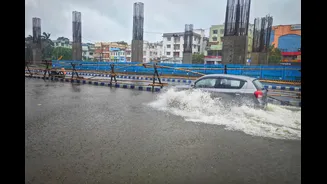
Once on the road, adjust your driving style for the conditions. Reduce your speed significantly; if you'd normally drive at 60 km/h, drop to 40 km/h. Maintain at least double the usual following distance from the vehicle in front to allow for longer braking distances. Use low-beam headlights during the day for better visibility. When descending steep slopes, shift to a lower gear to use engine braking rather than relying solely on your brakes, which can overheat. Be extra cautious on blind curves and honk to announce your presence. If you encounter a waterlogged patch, do not attempt to cross if the water is higher than the bottom of your car's bumper. And if visibility becomes dangerously low, it is always wiser to pull over to a safe location and wait for the rain to subside.