




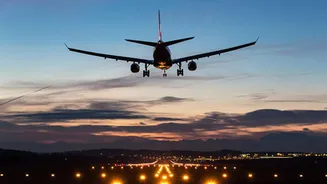


An Annual Tryst with Turbulence
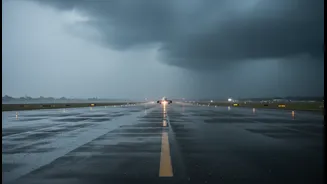
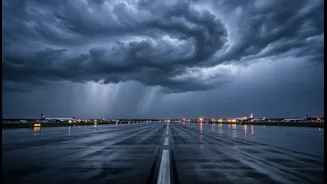
The Mumbai-Delhi air corridor is one of the busiest in the world. When the monsoon hits, this high-frequency route becomes incredibly fragile. On Sunday, July 5, 2026, heavy rains and strong winds forced Mumbai airport to suspend runway operations for an hour,
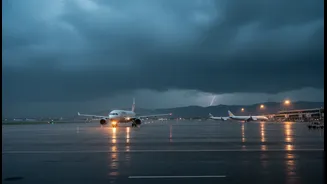
leading to multiple diversions and cancellations. Delhi airport also faced disruptions, diverting 15 flights to Jaipur and Lucknow. Airlines like Air India, IndiGo, and Akasa Air issued advisories, urging passengers to check their flight status before heading to the airport. This wasn't an isolated event; it's a recurring nightmare. The combination of Mumbai's single-runway operations during poor weather, saturated air traffic, and the sheer volume of flights creates a perfect storm where even a minor disruption can cause a domino effect across the entire network.
The Domino Effect of a Single Delay
When a flight from Mumbai to Delhi is delayed by weather, the consequences ripple outwards. The aircraft scheduled for that flight may have been slated for several subsequent journeys, creating a cascade of delays. Aircrew schedules are tightly regulated, and a long delay can mean a crew “times out,” requiring a replacement, which further slows things down. At the airports, congestion builds rapidly. Mumbai airport handles nearly 1,000 flights a day, and even a brief runway closure means aircraft are stuck waiting to land or take off, creating a traffic jam in the sky and on the tarmac. This backlog can take hours to clear, long after the weather itself has improved.
Are Airlines and Airports Doing Enough?
Both airports and airlines do conduct pre-monsoon checks. Mumbai's Chhatrapati Shivaji Maharaj International Airport (CSMIA) carries out annual runway maintenance to ensure infrastructure readiness and prevent issues like waterlogging. Airlines also have their own standard operating procedures (SOPs). IndiGo, for example, states it performs proactive inspections of critical aircraft systems, ensures availability of spares, and uses data analytics for predictive maintenance to mitigate monsoon-related issues. However, these measures often prove insufficient against the severity of the monsoon and the sheer operational pressure. The advisories and real-time updates are reactive. What's missing is a proactive, coordinated strategy between airlines, airport operators, and the DGCA that goes beyond standard procedure and anticipates the inevitable crunch.
A Passenger's Survival Guide
While systemic change is needed, passengers can adopt strategies to minimise the pain. Flying early in the morning is often a good bet, as weather-related delays tend to accumulate throughout the day. Whenever possible, opt for direct flights to avoid the risk of missed connections. Building a buffer into your travel plans is crucial; avoid scheduling important meetings immediately after a flight during monsoon season. It's also wise to know your rights. According to DGCA guidelines, airlines are required to provide meals and refreshments for delays over two hours. For significant delays or cancellations, you are entitled to a rebooking or a full refund. However, it's important to note that airlines are not required to provide monetary compensation for delays caused by weather, which is considered an 'extraordinary circumstance'.