







What is Water Calisthenics?
Imagine the strength-building power of push-ups, squats, and lunges, but performed in the buoyant, gentle embrace of water. That's water calisthenics in a nutshell. It merges two effective fitness principles: calisthenics, which uses your own body weight
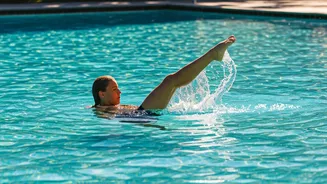
for resistance, and aquatic exercise, which uses water's natural resistance to challenge your muscles. Instead of running on hard pavement or lifting heavy weights, you're performing movements like high-knee jogs, leg kicks, and arm circles in a swimming pool. The water supports your body, reducing stress on joints, while simultaneously providing 360-degree resistance that works every muscle group more evenly than many land-based exercises.
Why is it Gaining Popularity Now?
The rise of water calisthenics among young people isn't a coincidence. It’s a direct response to the growing awareness around fitness-related injuries and burnout. Years of high-impact sports like cricket, football, and intense gym routines can take a toll on young, developing bodies, leading to joint pain and stress fractures. Water calisthenics offers a powerful antidote. It provides a challenging workout that’s incredibly kind to the knees, hips, and ankles. Furthermore, in an age of social media where fitness can feel competitive and intimidating, the pool offers a more private, less judgemental space. It’s less about aesthetics and more about the feeling of movement, making it a mentally refreshing and inclusive option for all fitness levels.
The Full-Body Fitness Advantage
The benefits of this aquatic workout are comprehensive. Firstly, it's a fantastic cardiovascular exercise. Moving against the water's resistance gets your heart rate up, improving endurance and heart health. Secondly, it's a superior strength trainer. Water is about 800 times denser than air, meaning every movement you make is a resistance exercise. This builds lean muscle tone across the entire body—from your core and back to your arms and legs—without the need for a single dumbbell. This combination of cardio and strength in one session makes it a highly efficient way to get fit. The low-impact nature also makes it an ideal form of active recovery for young athletes on their off-days, helping to maintain fitness without adding extra strain.
More Than Just a Physical Workout
The psychological benefits of water calisthenics are just as significant as the physical ones. The sensory experience of being in water has been shown to have a calming, meditative effect. The sound of the water, the feeling of buoyancy, and the rhythmic nature of the exercises can help lower stress and anxiety levels—a crucial benefit for students navigating academic and social pressures. It fosters a positive relationship with exercise, framing it as a form of play rather than a chore. This shift in mindset is vital for building lifelong healthy habits. For many, it's a space to build confidence in their body's abilities without the pressure of performance metrics.
How to Dive In and Get Started
Getting started is simpler than you might think. Many community pools, clubs, and fitness centres are beginning to offer aqua aerobics or aquatic fitness classes. These are a great starting point, as they provide expert guidance and a structured routine. If you have access to a pool, you can even start on your own. Begin with simple movements like jogging in place in waist-deep water, performing jumping jacks, or holding onto the side of the pool and doing leg kicks. Focus on maintaining a tight core and performing each movement with control. The key is to listen to your body. Start with 20-30 minute sessions and gradually increase the duration and intensity as you get stronger. No fancy gear is required—just a swimsuit and a willingness to try something new.