







Choosing a new fitness class can feel overwhelming. Two popular options, Zumba and Barre, offer wildly different paths to your goals. One is a high-energy dance party, the other a focused, muscle-sculpting session. Let's break them down.
The Vibe: Dance Party vs. Mindful Control
The atmosphere
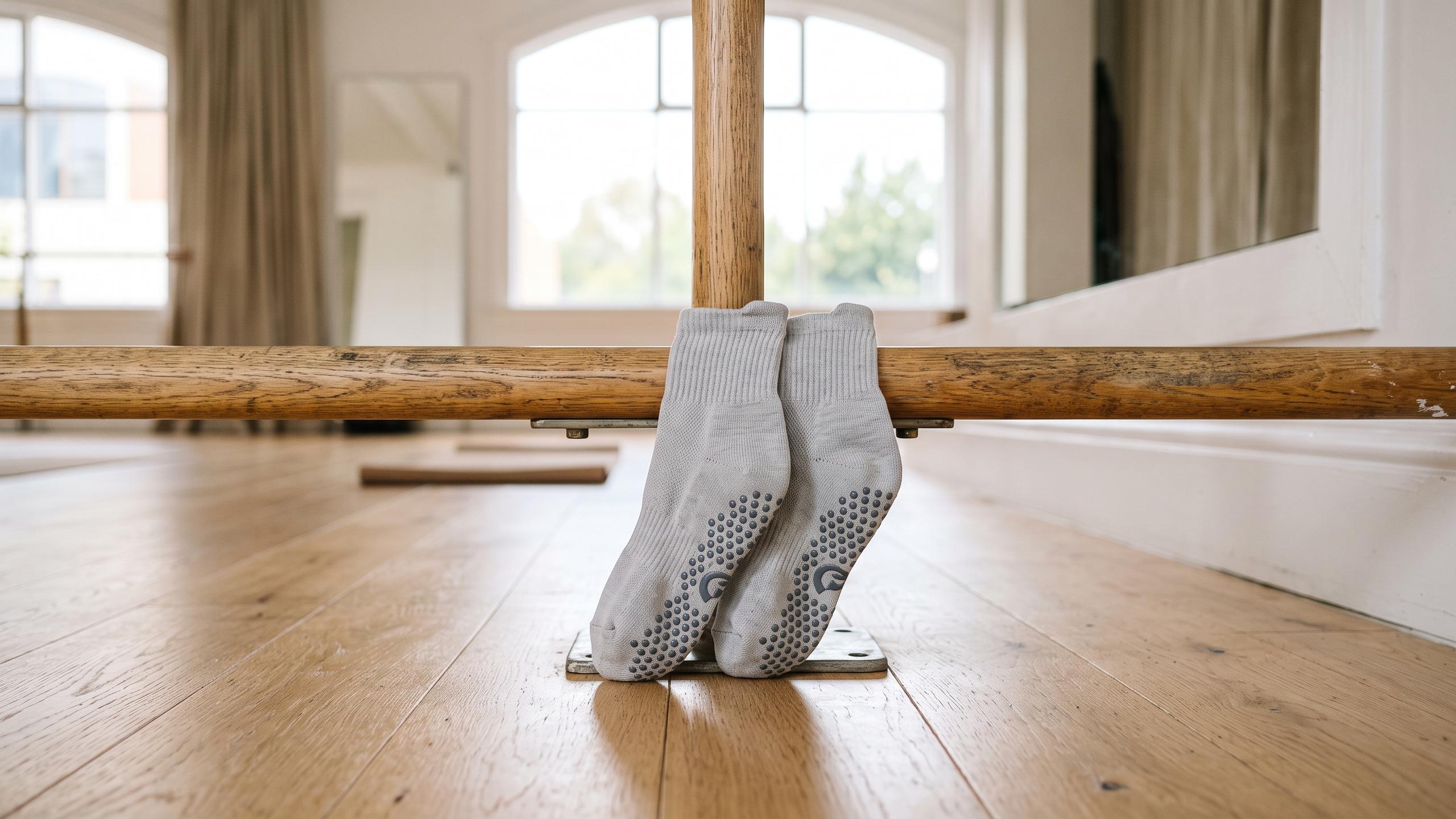
of a Zumba class is energetic, loud, and social. Expect upbeat Latin and international music, with an instructor leading a party-like environment where the main goal is to keep moving and have fun. It's less about perfect form and more about joyful, high-energy expression. Barre, in contrast, is calm, focused, and controlled. The environment is more like a Pilates or yoga studio. Music is often present but serves as a background tempo rather than the main event. The focus is on precision, posture, and the mind-body connection as you work through small, specific movements.
The Workout: Cardio Dance vs. Isometric Burn
Zumba is a full-body cardio workout disguised as a dance class. It’s built on interval training, alternating between fast-paced, high-intensity songs and slower rhythms to keep your heart rate elevated and burn calories. The choreography is inspired by dances like salsa, merengue, and reggaeton, but you don't need to be a dancer to follow along. Barre is a low-impact strength workout that combines elements of ballet, Pilates, and yoga. It uses a stationary handrail for balance while you perform high-repetition, small-range movements called isometric contractions and pulses. These tiny, controlled movements are designed to work muscles to the point of fatigue—that famous 'barre shake'—to build strength and endurance without putting stress on your joints.
The Primary Benefits: Heart Health vs. Muscle Tone
The main benefit of Zumba is its powerful cardiovascular workout. The constant, high-energy movement makes it an excellent choice for improving heart health, boosting endurance, and burning a significant number of calories—anywhere from 300 to over 600 per class, depending on intensity. While it does offer some toning, its primary strength is as an aerobic exercise. Barre's main advantage is building long, lean muscle tone and improving posture. The workout excels at sculpting muscles in the arms, thighs, glutes, and core. Because it strengthens postural muscles in the back and shoulders, it's highly effective for correcting the slouched posture many develop from sitting at a desk. It also significantly improves flexibility and balance.
Who Is It For?
Zumba is ideal for those who get bored easily with traditional workouts and are motivated by music and a fun, social atmosphere. It’s a great option if your main goal is weight loss or cardiovascular fitness and you enjoy a high-energy, less structured environment. Barre is perfect for individuals looking to build strength and definition without adding bulk. It's an excellent choice if you prefer a low-impact workout that's gentle on the joints or if your goals are to improve posture, flexibility, and core strength. No dance experience is needed for either class, as instructors guide you through all the movements.
Zumba or Barre: How to Choose
Your choice ultimately depends on your personality and fitness goals. Ask yourself what you want from your workout. If the answer is to sweat, smile, and burn calories in a high-energy party atmosphere, head to a Zumba class. If you prefer a focused, challenging workout that will make your muscles shake and leave you standing taller with improved tone and strength, find a Barre studio. Many people find that the two workouts complement each other perfectly—Zumba for cardio and fun, and Barre for strength and toning. The best workout is always the one you enjoy enough to do consistently.