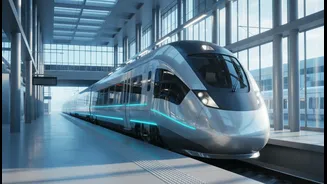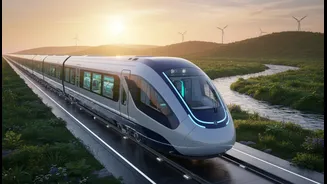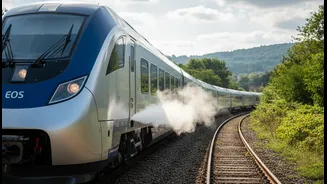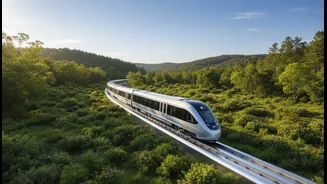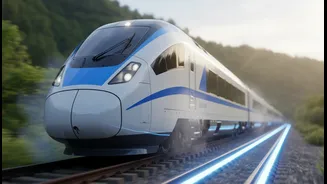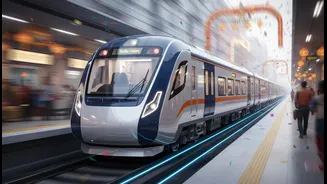





What is a Hydrogen Train?
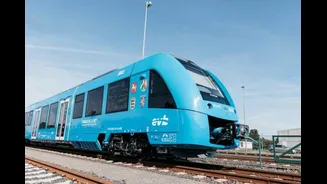
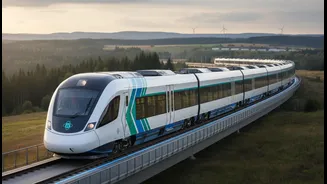
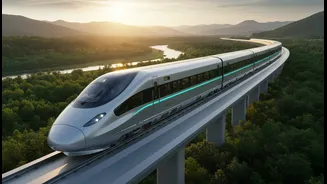
Imagine a train that glides through the countryside with the quiet efficiency of an electric vehicle but with one major difference: its only emission is water. That is the promise of hydrogen trains. These are essentially electric trains that don't need
overhead wires. Instead, they carry their own power source. They use hydrogen fuel cells that take hydrogen stored in tanks and mix it with oxygen from the air. This chemical reaction generates electricity to power the motors, with water vapour being the only byproduct. This technology offers a zero-emission alternative to the diesel engines that still run on many of India’s railway lines, making it a powerful tool in the fight against air pollution and climate change.
India's Landmark Green Journey
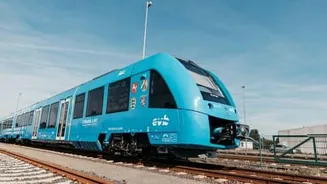
After successful trials, India is scheduled to launch its first hydrogen train on July 17. The inaugural service will operate on the 90-kilometre Jind-Sonipat route in Haryana. This isn't just a symbolic run; it marks the culmination of significant indigenous development under the 'Make in India' initiative, with the train designed by the Research Designs and Standards Organisation (RDSO) and built by the Integral Coach Factory. The 10-coach train is expected to cut the travel time on the route by about half. With this launch, India joins a select group of nations, including Germany and Japan, that are actively exploring hydrogen technology for their railways.
The Promise of a Cleaner Track
The primary benefit of hydrogen trains is environmental. By replacing diesel locomotives, they can drastically cut down on greenhouse gas emissions and harmful air pollutants. This is crucial for India as it strives to meet its ambitious climate target of achieving net-zero emissions by 2070. The transport sector is a major contributor to India's carbon footprint, and railways are a huge part of it. While Indian Railways has made incredible strides in electrifying its network, hydrogen trains offer a complementary solution. They are particularly well-suited for routes where electrification is technically difficult or not economically viable, such as on hilly terrains, heritage lines, or routes with low traffic frequency.
Hurdles on the Path to a Hydrogen Future
Despite the excitement, the path to a widespread hydrogen rail network is filled with challenges. The most significant hurdle is the cost and production of 'green' hydrogen—the kind produced using renewable energy. Currently, green hydrogen is expensive, and India's capacity to produce it at a commercial scale is still developing. Building the necessary infrastructure for hydrogen production, storage, and refuelling at stations across the vast rail network will require massive investment. Safety is another critical consideration, as hydrogen is highly flammable and requires advanced detection and handling systems.
A Piece of a Larger Green Puzzle
The Jind-Sonipat hydrogen train is more than just a new piece of rolling stock; it's a pilot project that will provide invaluable data and experience. It is a crucial part of India's multi-pronged approach to decarbonising its transport sector, which includes aggressive targets for electric vehicles, increased blending of biofuels, and a massive push for renewable energy. The National Green Hydrogen Mission aims to make India a global hub for hydrogen production, which would eventually bring down costs. This first train is a testbed for the technology's resilience in Indian conditions and a signal of the country's commitment to finding innovative solutions for a sustainable future.