
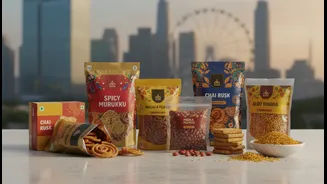


From Packets to Plates: A New Culinary Chapter
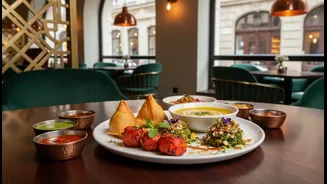
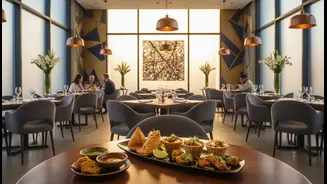
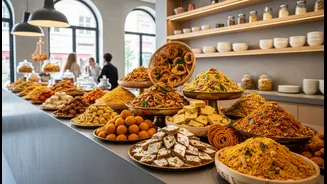
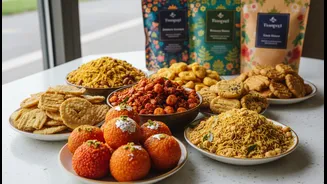
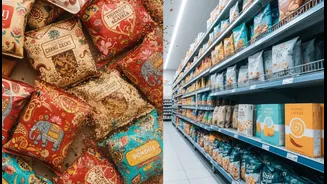
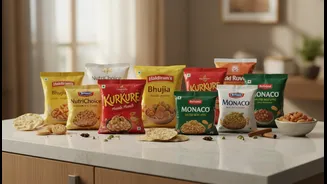
The familiar sight of Haldiram's bhujia and sweets on supermarket shelves is now being complemented by a full-service dining experience. The brand recently launched a 120-seat restaurant in London's Leicester Square, signaling a major strategic shift
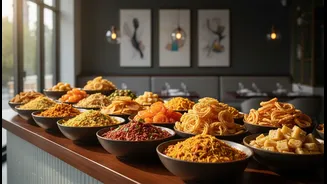
from retail products to premium casual dining. This move is not just an expansion; it's an evolution. By leveraging decades of brand recognition, these companies are tapping into a global and growing appetite for authentic Indian food that goes beyond the standard takeaway curry. The goal is to offer a comprehensive experience, combining beloved street food classics like choley bhature and pao bhaji with a comfortable, modern restaurant atmosphere.
For Businesses: The Strategic Opportunity
For Indian food businesses, this trend presents a compelling case study in brand leverage. The core strategy involves using the trust and nostalgia associated with a popular snack brand to de-risk entry into the highly competitive European restaurant market. Instead of building a new restaurant brand from scratch, companies like Haldiram's are using their existing name to attract a ready-made customer base of diaspora Indians and curious locals. The opportunity is significant: Europe's demand for authentic, regional Indian cuisine is growing steadily. With backing from major investors, this model provides a blueprint for expanding from manufacturing and exporting packaged goods to creating higher-margin, experiential dining destinations. The plan extends beyond the UK, with brands citing Germany, France, and Portugal as potential future markets.
Navigating the Challenges: A Reality Check
Despite the opportunities, the path to opening a successful restaurant in Europe is paved with challenges. Aspiring businesses must navigate complex EU food safety regulations, registration requirements, and labeling laws. Supply chain logistics are a major hurdle; sourcing authentic, high-quality ingredients consistently can be difficult and expensive. Another key challenge is balancing authenticity with local tastes. While European palates are increasingly open to bold flavors, some adjustment is often necessary to appeal to a mainstream audience without losing the cuisine's soul. Finally, high operational costs—including rent in prime locations, staff wages, and business rates—require careful financial planning and a strong value proposition to ensure profitability.
For Diners: What to Expect on the Menu
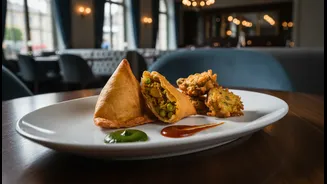
For food lovers and curious diners, this trend is an exciting development. These new restaurants offer a chance to experience a wider spectrum of Indian cuisine that is often hard to find abroad. Forget the generic curry house menu; expect a celebration of regional specialties and authentic street food. At Haldiram's London outpost, for example, the menu features dishes like raj kachori and a variety of chaats alongside fusion desserts created specifically for the local market. These establishments aim to bridge the gap between quick-service eateries and high-end fine dining, offering a "premium casual" format that is both accessible and high-quality. Many also feature an integrated retail section, allowing diners to take home the packaged sweets and snacks that made the brand famous in the first place.
The Future of Indian Food in Europe
The move by major Indian snack brands into European dining is more than just a business strategy; it represents a growing confidence in the global appeal of authentic Indian food culture. By offering an experience that is both nostalgic for the diaspora and novel for new audiences, these brands are helping to elevate the perception of Indian cuisine. This shift from supermarket shelf to restaurant table sets a new precedent. As these pioneers test the waters, their success or failure will provide valuable lessons for countless other Indian businesses eyeing international growth, potentially inspiring a new wave of culinary exports that bring the diverse tastes of India to the world's main streets.