



The Sobering Reality of Lost Cats
It's a heartbreaking statistic: fewer than two percent of lost cats are ever returned to their owners. A major reason for this is a lack of proper identification. Many well-loved indoor cats—who may be more likely to panic and hide if they get out—have
no form of ID at all. A simple collar and tag is the fastest way for a finder to know your cat has a home and isn't a stray. Without it, a friendly person might assume your scared, disoriented pet is feral and leave them be, or take them to a shelter where their chances of being reclaimed are slim.
Crafting the Perfect ID Tag
An ID tag is your cat’s first and fastest ticket home. But what information is essential? Your primary phone number is the most crucial piece of information. Beyond that, your address or at least your city can help a finder know the cat is local and might be able to return them directly to your doorstep. For indoor-only cats, adding a line like “I’m an indoor cat, if I’m out I am lost” can create a sense of urgency for the finder. If your cat has critical medical needs, like an allergy or a condition requiring daily medication, noting “Needs Meds” is also a very good idea. While putting the cat's name on the tag is popular, your contact details are far more important if space is limited.
The Power of a Recent Photograph
An ID tag provides contact details, but a photo helps people actively search. In the digital age, a clear, recent photograph is an indispensable tool. When a cat goes missing, you'll want to immediately spread the word on local social media groups, neighbourhood apps, and with local shelters. A high-quality photo makes your cat instantly recognizable. It is far more effective than a written description alone. Keep a few clear, well-lit photos on your phone—including a full-body shot and a clear face shot—that show off any distinguishing markings. This simple step can be the key to someone spotting your cat and making that all-important call.
Microchipping: The Essential Backup Plan
A collar can break or be removed, but a microchip is permanent. This tiny device, about the size of a grain of rice, is injected under your cat's skin and contains a unique ID number. When a lost cat is brought to a veterinary clinic or a shelter, a scanner can read this number. In India, while not yet nationally mandated, microchipping is strongly recommended by vets and animal welfare organisations as a crucial element of responsible pet ownership. Some cities like Chennai have even made it mandatory. However, a microchip is only effective if the registration is kept up to date with your current phone number and address. Think of the microchip as a permanent backup that works in tandem with a visible ID tag.
A Note on Collar Safety
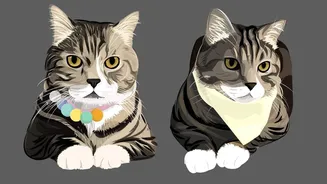
A common concern that prevents owners from using collars is the fear of their cat getting caught on something. This is a valid worry, but it has a simple solution: the breakaway collar. These collars are designed with a special buckle that will automatically release if it’s pulled with enough force, such as if the cat gets snagged on a fence or a tree branch. This prevents choking or injury, allowing the cat to get free. For this reason, traditional buckle collars are not recommended for felines. A breakaway collar provides the perfect balance of identification and safety, especially for curious cats who love to climb and explore.