





The Great Festive Awakening
It’s not just in your head. The annual ritual of preparing for festivals like Diwali, Eid, or Christmas forces us to confront the disorganisation we normally live with. The kitchen, often the heart of these celebrations, suddenly needs to handle a much
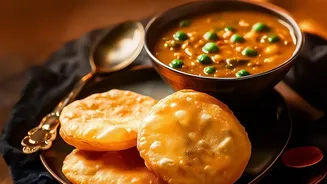
heavier workload. We’re pulling out special ingredients, hunting for that one specific serving dish, and needing more counter space than ever before. This intense usage makes the usual clutter impossible to ignore. What was once a minor inconvenience—a drawer that won't close, a jumble of mismatched containers—becomes a major source of stress when you’re trying to roll out puris or decorate a cake.
Why Clutter Causes Stress
A cluttered environment, especially a high-traffic area like the kitchen, can have a real impact on our mental well-being. Studies have shown that visual clutter competes for our attention and can reduce our ability to focus, leading to increased stress and anxiety. When your brain is constantly processing the mess—the pile of mail on the counter, the overflowing utensil holder—it has fewer resources left for the task at hand, which in this case is cooking. This can make what should be a joyful activity feel frustrating and overwhelming. A tidy kitchen, conversely, can offer a sense of calm and control.
Start with a Simple Triage
The idea of decluttering the entire kitchen can feel daunting, especially when you're already short on time. The key is to start small and be strategic. Begin by emptying one cabinet or drawer at a time. Create three distinct piles: Keep, Toss, and Donate. Be honest with yourself. If you haven't used a gadget in over six months, it’s probably time to let it go. Look for duplicates—how many peelers do you really need? Check for broken items or containers with missing lids. This initial sort is the most crucial step; it clears the way for effective organisation.
Reclaim Your Countertops
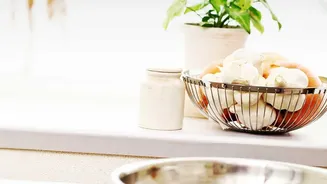
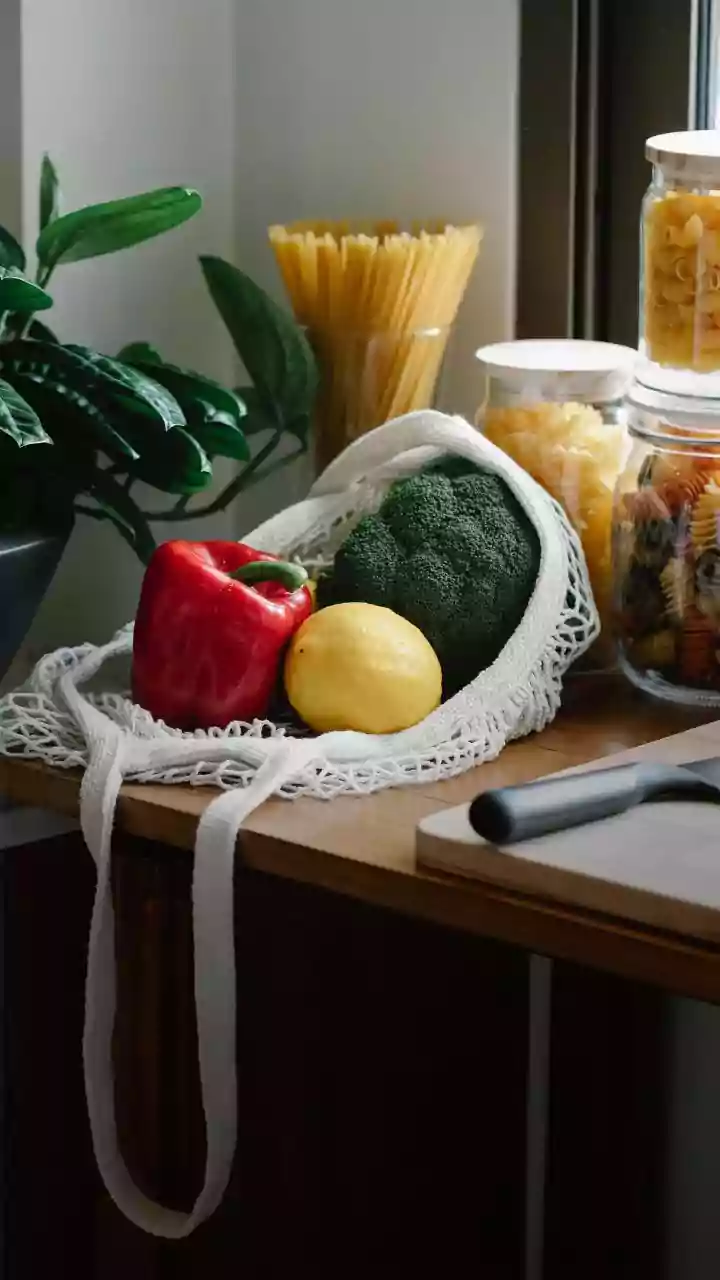
Clear counter space is the biggest luxury in a busy kitchen. It’s your primary workspace, and when it’s covered in clutter, everything feels harder. The quickest way to make your kitchen feel more organised is to clear the counters of everything that doesn't need to be there. Items used daily, like a coffee maker, can stay. But appliances used less frequently should be stored away in cabinets. Use trays to group smaller items like salt cellars, soap dispensers, and oil bottles. This simple trick contains the visual noise and makes the space look instantly tidier and more intentional.
An Indian Kitchen Spice Strategy
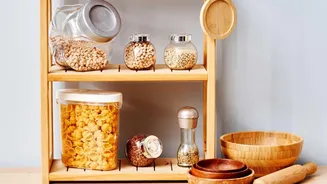
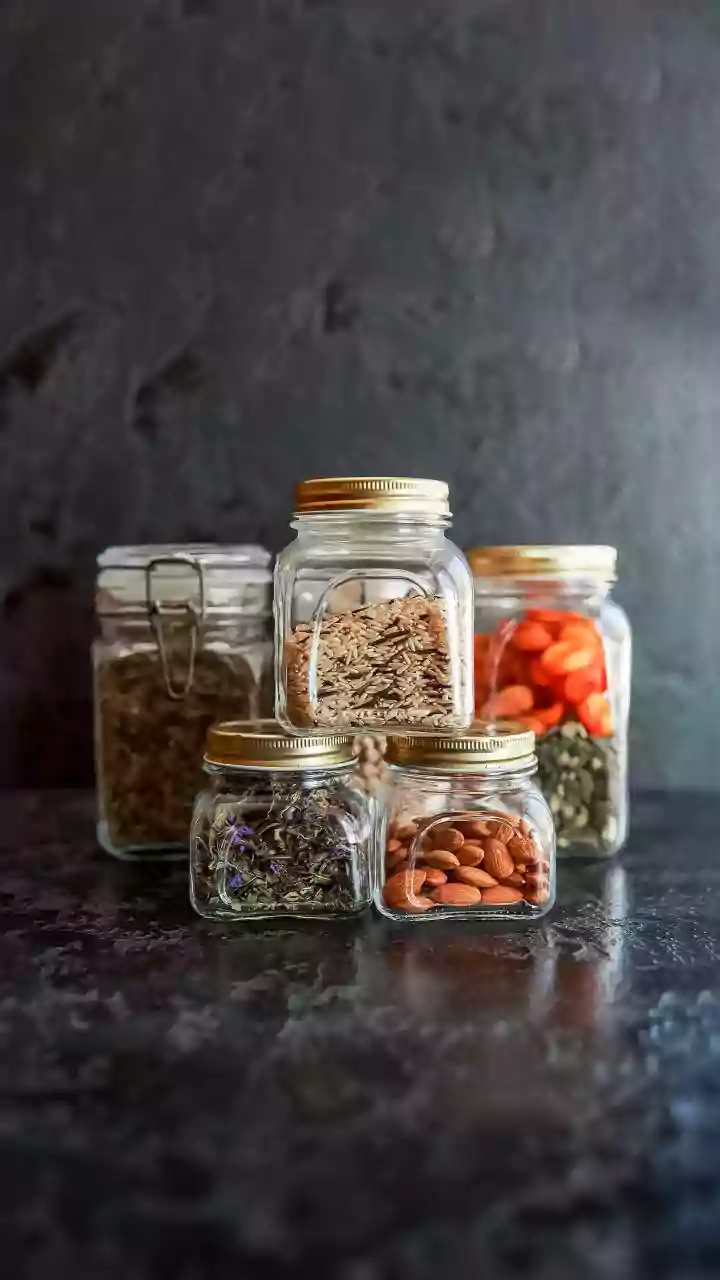
In any Indian kitchen, the spice collection is both a source of pride and potential chaos. Instead of rummaging through dozens of mismatched packets and jars, create a system. Decant spices into clear, uniform containers and label them. A great strategy is to have a small, primary spice box (a ‘masala dabba’) with your daily essentials near the stove. Store the backup and less-frequently used spices in a separate, dedicated cabinet. Grouping items by use is a core principle of good organisation, and nowhere is it more effective than with spices.
Make it a Lasting Habit
Use the momentum from your festive cleaning to build better long-term habits. The goal isn't to achieve a showroom-perfect kitchen that never gets messy, but to create a functional system that is easy to maintain. One simple rule is “one in, one out”—if you buy a new mug, donate an old one. Try to reset the kitchen every evening by clearing counters and putting things back in their designated homes. Investing in smart storage solutions can also make a huge difference. Stackable, square containers save more space than round ones, and see-through jars make it easy to take inventory at a glance.