



Your Secret Weapon: The Medium Round Brush
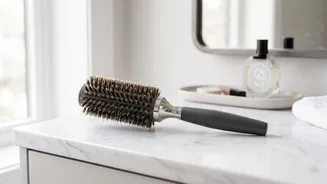
When styling bangs, the size of your round brush is critical. A small brush, around 1 inch in diameter, often creates a curl that is too tight and doll-like, leading to that dreaded stiff look. A large brush, on the other hand, may provide volume but
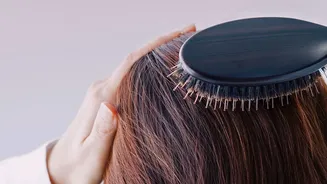
lacks the ability to create a defined, gentle curve, especially on shorter layers. A medium round brush, typically between 1.25 and 1.75 inches, is the perfect middle ground. It's large enough to create a soft, sweeping bend rather than a tight curl, but small enough to grip the bangs securely and give you control. This size is ideal for most bang styles, including curtain bangs, as it provides the perfect balance of volume at the root and a natural-looking curve through the ends.
Preparation is Everything
For the best results, start with damp, not soaking wet, hair. If you're not washing your hair, you can just spritz your bangs with water. This makes the hair pliable and ready to be reshaped. Before applying any heat, use a lightweight heat protectant spray to shield your strands from damage. If your hair tends to be flat, a small amount of mousse can add some grip and volume. The most important rule is to avoid heavy or sticky products like gels, thick pomades, or strong-hold hairsprays at this stage. These will only contribute to the stiffness you’re trying to avoid, weighing the hair down and making it look greasy.
The Step-by-Step Styling Technique
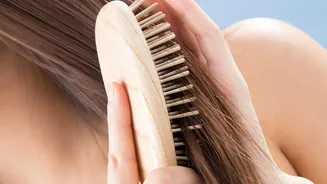
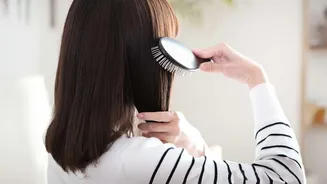
First, use a comb to separate your bangs from the rest of your hair. If you have curtain bangs, part them down the middle. For a full fringe, treat it as one section initially. Place the medium round brush underneath your bangs at the roots. The first and most crucial step is to lift the roots directly up and away from your forehead as you begin to blow dry. This initial lift is what creates volume and prevents the bangs from lying flat against your skin. Use a blow dryer with a concentrator nozzle on medium heat and airflow to direct the heat precisely where you need it. Follow the brush with the dryer, moving from the roots towards the ends. As you get to the ends, gently roll the brush to create a soft bend. Don't over-rotate or hold the heat in one place for too long, as this can create an overly curled, rigid shape.
Mastering Movement for a Soft Finish
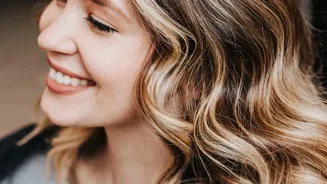
To achieve that coveted soft, swooping effect, especially with layered or curtain bangs, directional drying is key. After drying the roots upward for volume, you'll work on each side. For the right side, place the brush underneath and pull the hair up and out towards the right, rolling the brush away from your face. Repeat on the left side, pulling up and out to the left. This trains the hair to sweep outwards, framing your face beautifully. Some stylists also recommend blow-drying the bangs from side to side first to eliminate any cowlicks or natural parts before styling them forward. The key motion is a continuous, fluid pass with the brush and dryer, rather than holding and baking the hair into a stiff curve. Once a section is dry and shaped, use the 'cool shot' button on your dryer for a few seconds to set the style while it's still on the brush. This helps lock in the shape without needing heavy products.
Finishing Touches Without the Crunch
Once your bangs are shaped and cooled, they should have a natural bounce. Resist the urge to immediately douse them in hairspray. Over-spraying is a primary cause of stiffness. If you need some hold, choose a flexible, lightweight hairspray. Instead of spraying directly onto your bangs, spray a little on your fingertips and gently piece out the ends, or hold the can at least a foot away for a light mist. For added texture and to combat any potential grease from your forehead during the day, a light puff of dry shampoo at the roots can work wonders, keeping them fresh and voluminous. The goal is to encourage movement, so use products that support a soft, touchable finish.