




The Persistent Cleanliness Challenge
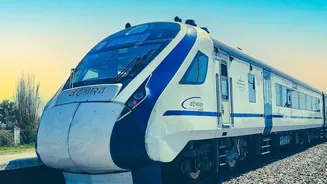
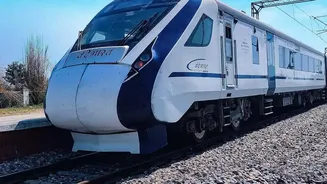
For many, the state of train coaches and toilets is a defining part of the travel experience. While Indian Railways has made strides, including the introduction of bio-toilets to prevent waste discharge on tracks and the launch of modern fleets like the Vande
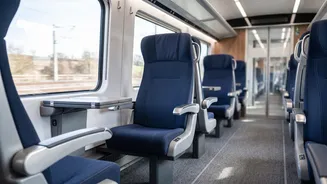
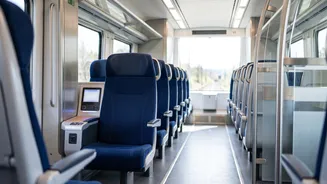
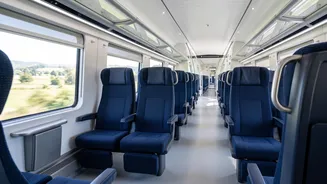
Bharat Express, passenger complaints about hygiene persist. Social media is often flooded with images of dirty washrooms, littered compartments, and overflowing bins, particularly on long-distance routes. In response, the Railway Board has recently directed zones to move from one-time cleanups at originating stations to a model of sustained, end-to-end monitoring throughout the entire journey. Initiatives like On-Board Housekeeping Services (OBHS) are active in over a thousand pairs of trains, tasked with cleaning coaches and toilets during the journey. However, passengers often report inconsistent service quality. The challenge is immense, with Railways facing issues like unauthorised use of station facilities and the sheer volume of passengers, making continuous upkeep difficult.
When You Need Help: The Complaints System
When a coach is dirty, a tap runs dry, or a light is broken, getting it fixed shouldn't feel like an impossible task. Indian Railways has a centralized grievance system called Rail Madad, an integrated platform accessible via the helpline 139, a website, an app, and SMS. This system is designed to be a one-stop solution for all passenger complaints, from cleaning and linen to security and broken amenities. The 'Coach Mitra' service, integrated with Rail Madad, aims to connect passengers directly with the onboard staff responsible for these issues. The goal is to make complaints traceable and hold service agencies accountable based on performance metrics and passenger feedback. However, the system's effectiveness often depends on the speed of the response. A complaint about a dirty toilet is only useful if it's addressed in minutes or hours, not days.
Why Faster Escalation Is Crucial
A delayed response to a complaint can ruin a journey. Being stuck with an unusable toilet or a dirty seating area for hours is more than an inconvenience; it can be a health and safety issue. This is why faster issue escalation is a critical area for improvement. Acknowledging this, some railway zones are now setting ambitious targets. The Northeast Frontier Railway, for instance, has recently launched a pilot on five major trains with a two-hour target for resolving passenger complaints. This initiative involves dedicated, professionally trained staff who handle housekeeping and minor technical repairs, with a clear process for escalating unresolved issues to higher authorities. The plan is to directly link onboard staff with the complaint system to cut down delays. This focus on rapid, tangible solutions acknowledges that for a passenger on a moving train, time is of the essence.
The Path to a Better Journey
Improving the passenger experience is a continuous process for an organization as vast as Indian Railways. The solution appears to be a mix of technology, accountability, and professional management. Recent initiatives point towards this future. Some trains are now using AI-based assessments and geo-tagged service verification to monitor housekeeping standards in real-time. This allows for objective evaluation of cleaning performance rather than relying solely on manual checks. Furthermore, there is a push to hire professional agencies with trained, uniformed, and verified staff for OBHS, moving away from contractors who may lack proper training. These staff members would have clearly defined roles, from managing linen to handling minor repairs, ensuring a more reliable and professional service onboard. Integrating these upgraded services with a responsive and fast-acting complaint system like Rail Madad seems to be the most promising path forward.