


Our Amazing Planetary Neighbours
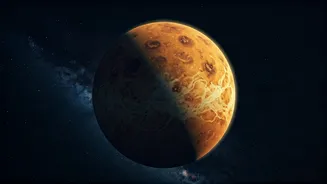
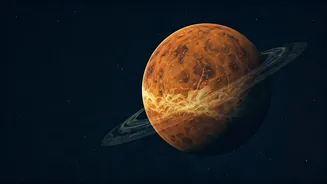
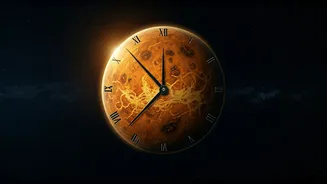
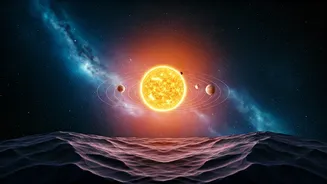
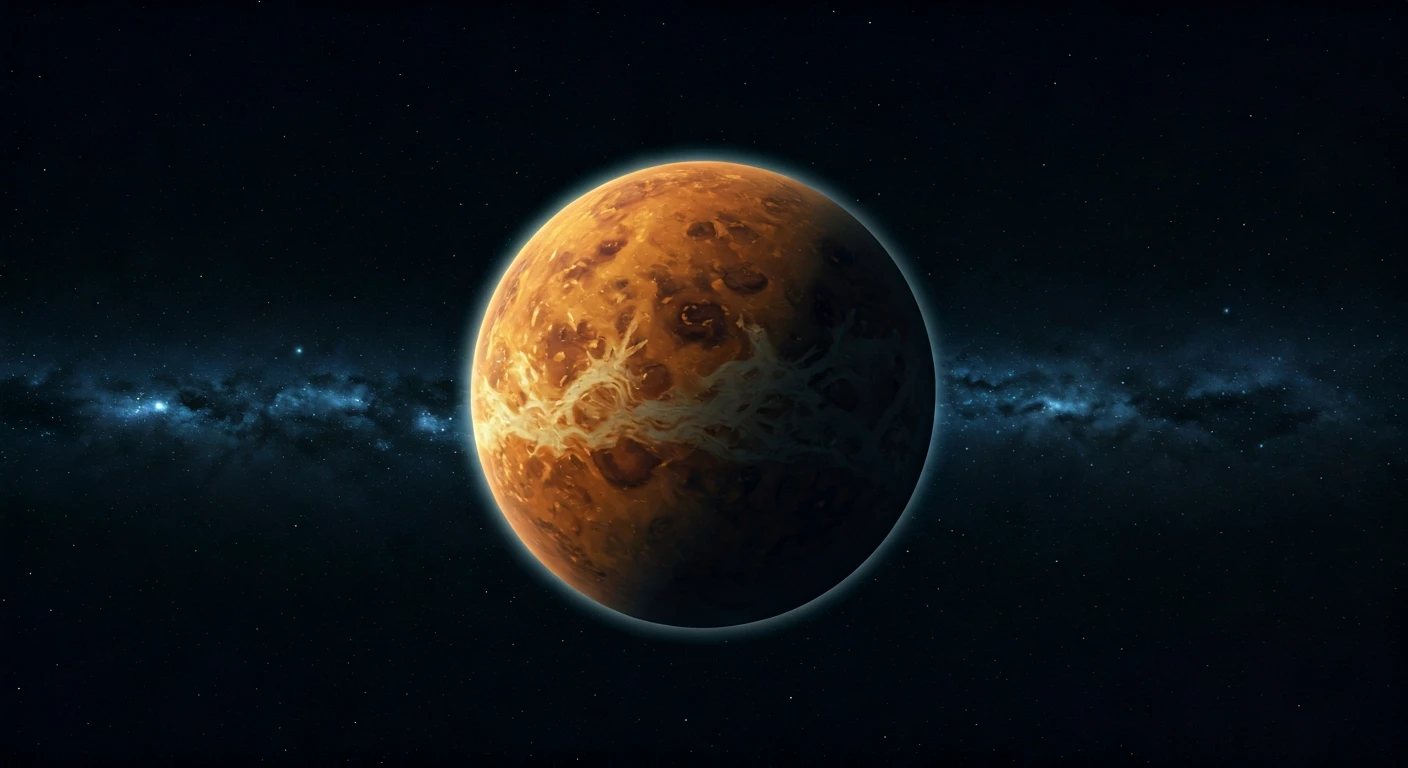
Our solar system is full of fascinating planets, each with its own unique personality. Did you know that Venus isn't the closest planet to the sun, but it is the hottest? Its thick atmosphere traps heat, making its surface temperature a scorching 475
degrees Celsius. Meanwhile, over on Mars, you would find the tallest volcano in the entire solar system. Called Olympus Mons, it’s nearly three times taller than Mount Everest. Jupiter is so large that all the other planets in our solar system could fit inside it. But despite its massive size, it spins incredibly fast, making a day on Jupiter last only about 10 hours. Perhaps one of the most beautiful planets, Saturn, is famous for its stunning rings made of ice and rock. But it's also so light for its size that it would float in water if you could find a bathtub big enough.
Cosmic Giants and Twinkling Lights
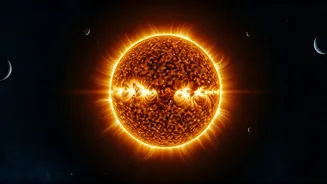
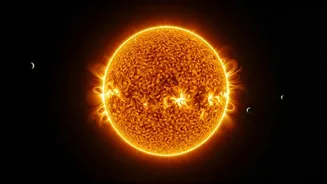
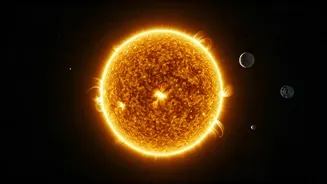
The stars you see at night are not all the same. Their colour tells you their temperature: blue stars are the hottest, while red stars are cooler. Our very own Sun is a star, and it's so big that you could fit about 1.3 million Earths inside it. But it's just an average-sized star in the grand scheme of things. Scientists believe there are more stars in the universe than there are grains of sand on all of Earth's beaches combined. These stars are born in giant clouds of dust and gas called nebulae. And when the most massive stars reach the end of their lives, they can explode in a spectacular event called a supernova.
The Human Adventure in Space
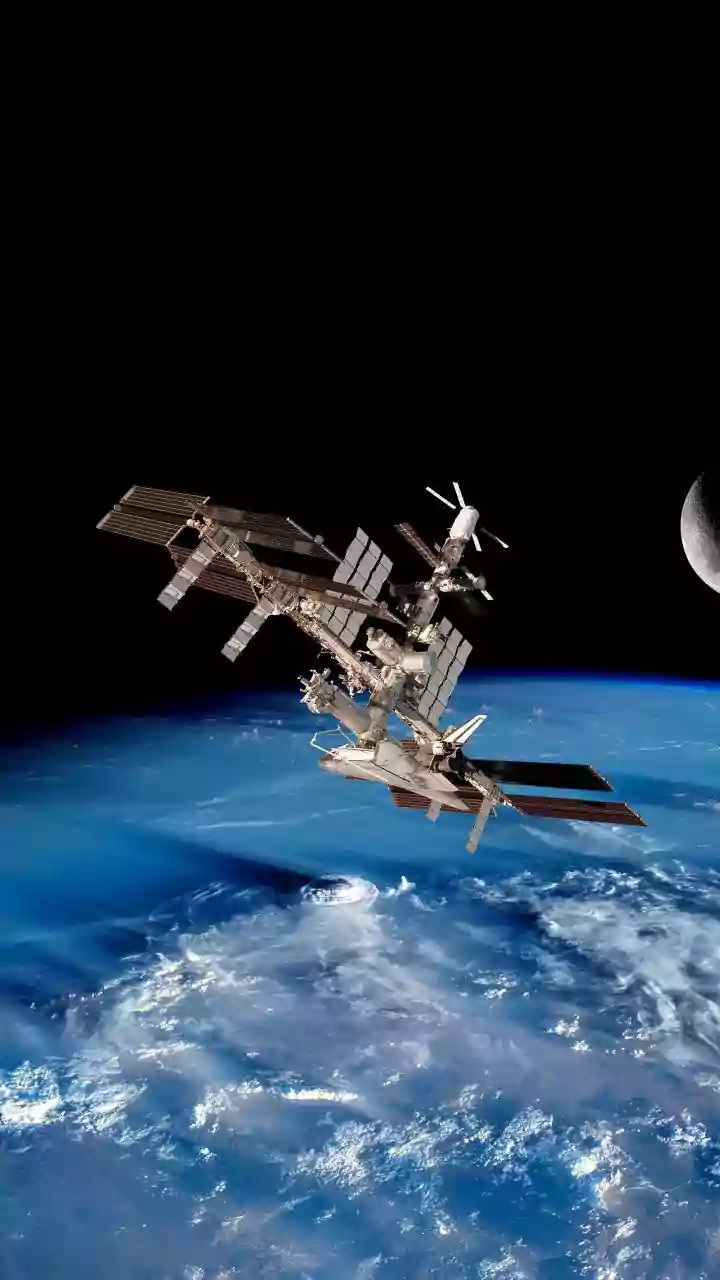
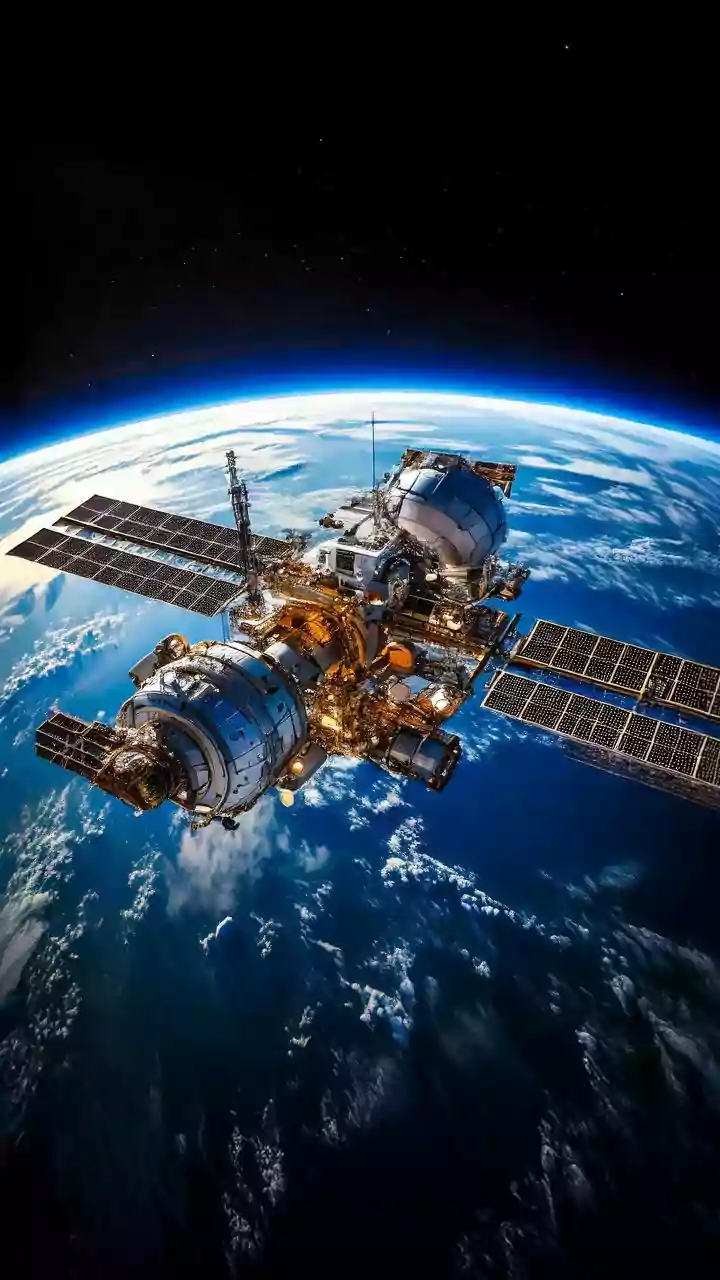
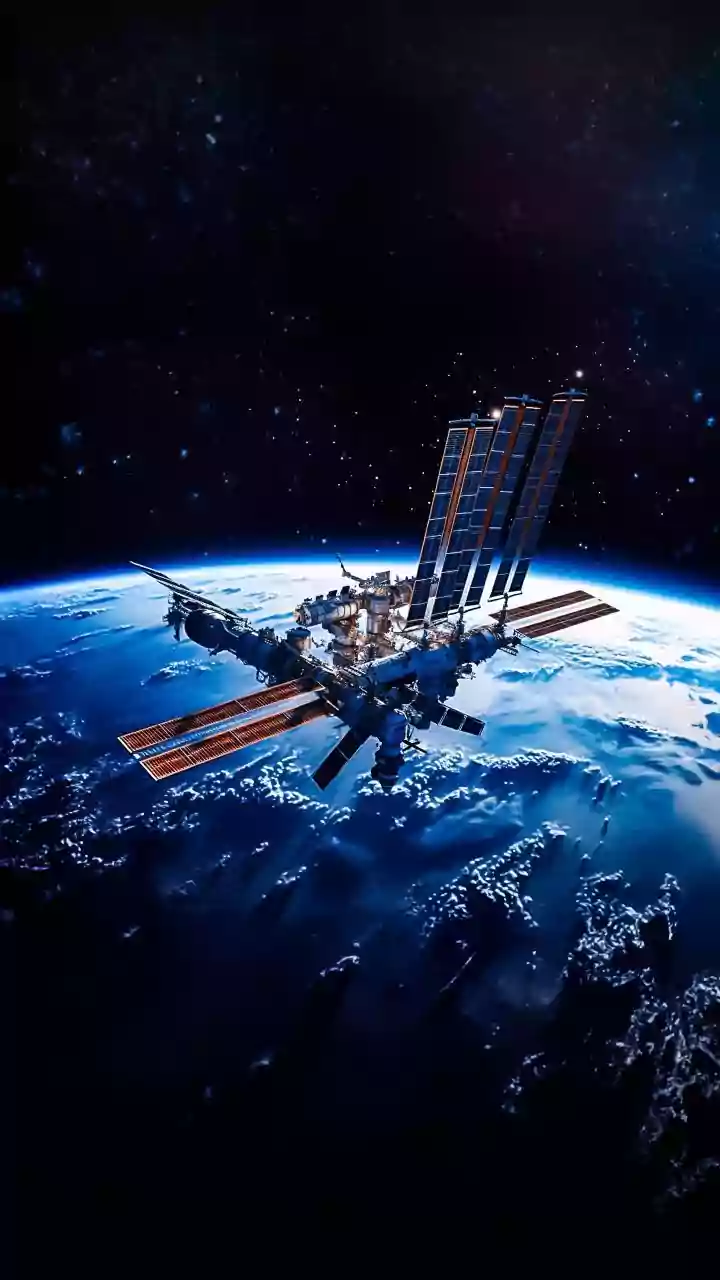
Humans first ventured into space in 1961, when Russian cosmonaut Yuri Gagarin orbited the Earth. Since then, over 600 people have travelled to space. One of the weirdest effects of space travel is that astronauts can actually get taller. Without gravity compressing their spines, they can grow by up to two inches. When astronauts go on spacewalks, they have to wear special suits. A single NASA-made spacesuit can cost millions of dollars. Since there’s no air on the Moon to blow dust around or erase markings, the footprints left by the Apollo astronauts in 1969 will likely stay there for millions of years.
Weird and Wonderful Universe
Space is full of oddities that sound like they're from a science fiction story. On Neptune and Uranus, the immense pressure in their atmospheres is believed to crush carbon atoms into real diamonds, meaning it might literally rain diamonds there. Astronauts who have been on spacewalks have reported that space has a distinct smell, often described as being like seared steak or hot metal. It’s also completely silent because there are no air molecules for sound to travel through. Out in the cosmos, there's even a massive cloud of water vapour floating in space that holds more than 100 trillion times the amount of water in all of Earth's oceans. And if you ever got too close to a black hole, the intense gravity would stretch your body out like a piece of spaghetti.