




First, What Are Prebiotics?
Before we dive into the food, let’s clear up the terms. You’ve likely heard of probiotics—the 'good' live bacteria found in foods like dahi. Prebiotics, on the other hand, are the food for these good bacteria. Think of them as the fuel that helps your
beneficial gut microbes thrive. They are specific types of non-digestible fibres found in plant-based foods. When you eat prebiotic-rich foods, these fibres travel to your large intestine, where they are fermented by your gut microbiome. This process helps the good bacteria multiply, which in turn supports everything from digestion and immunity to overall well-being. So, a healthy gut isn't just about adding good bacteria; it's about feeding the ones you already have.
The Problem with a Single 'Superfood'
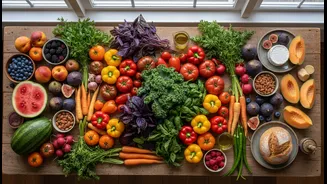
The modern wellness market loves a simple fix. We're often told to add a spoonful of an exotic powder or eat a specific imported vegetable to solve our health woes. While these trendy foods might indeed contain prebiotics, relying on just one or two is like feeding a diverse garden with only one type of fertiliser. Your gut is home to trillions of microbes, comprising thousands of different species, and each of these families has slightly different tastes. Some thrive on the fibres found in garlic, while others prefer the kind found in lentils or whole grains. Eating the same single 'superfood' day in and day out means you're only nourishing a small fraction of your gut community, potentially leaving other beneficial bacteria to starve. This lack of variety can lead to a less diverse and less resilient gut microbiome.
The Power of a Diverse Indian Thali
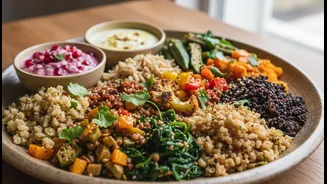
This is where the wisdom of traditional Indian meals shines. A typical thali isn't just a balanced meal for you; it's a feast for your gut microbes. The secret lies in its inherent diversity. You have lentils (dal), vegetables (sabzi), whole-grain rotis, and a side of salad. Unknowingly, you're consuming a wide spectrum of prebiotic fibres in a single meal. Your grandmother might not have called it 'prebiotic,' but she knew that a varied diet was key to good health. The irony is that many of the most potent prebiotic sources are humble, everyday ingredients that Indian kitchens have used for centuries. We don't need to look for expensive, imported solutions when our own culinary heritage is so rich in gut-friendly options.
Your Kitchen's Prebiotic Powerhouses
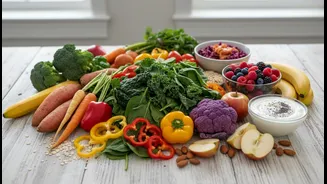
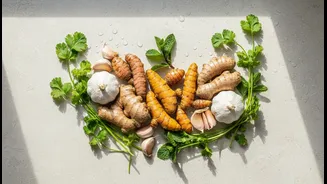
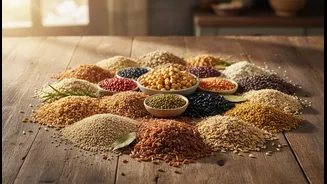
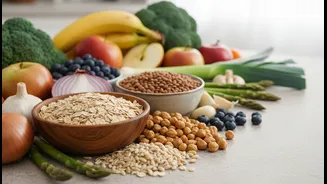
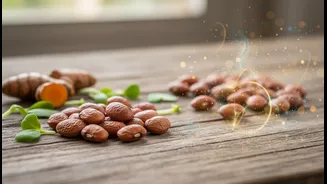
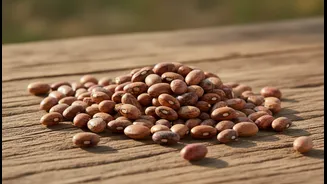
You'll be surprised how many prebiotic foods are already in your pantry. The foundation of most Indian curries, onions and garlic, are packed with a prebiotic fibre called inulin. Lentils and legumes like chana and rajma, the stars of our dals, are another fantastic source. Unripe bananas, often used in sabzis and koftas, contain resistant starch, a powerful prebiotic. Whole grains like barley (jau), bajra, and jowar, which make nutritious rotis, are full of fibres that feed good bacteria. Even common vegetables like asparagus, and fruits like apples, contribute to the mix. The simple act of adding a raw onion salad to your meal or choosing a millet-based roti over a refined flour one significantly boosts your prebiotic intake.
Putting It All Together
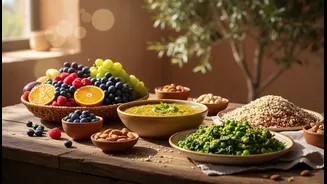
Embracing a prebiotic-rich diet doesn't require a radical overhaul. It’s about making small, consistent choices and appreciating the diversity already present in Indian cuisine. Start your day with oatmeal or a banana. For lunch, ensure you have a serving of dal or a chickpea curry. When making sabzi, be generous with onions and garlic. Swap white rice for brown rice or a millet-based grain occasionally. Snack on some almonds or an apple. Each different plant food you add contributes to a more diverse and healthier gut environment. The goal isn't perfection but variety. By eating a colourful and varied range of foods, you ensure that you're supporting a wide array of beneficial microbes, leading to a stronger and more balanced gut ecosystem.