





The Threat of a Second Flood
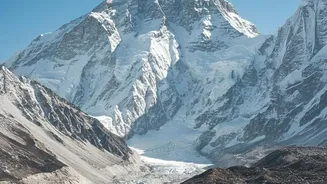
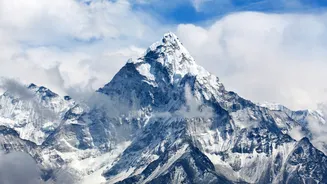
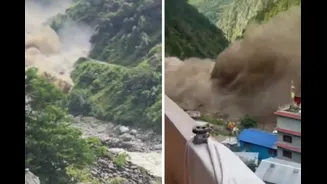
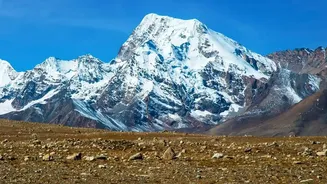
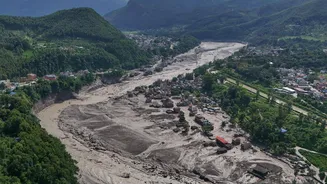
The most immediate concern for authorities and scientists is the risk of another devastating flood. The initial event on August 26, which sent a wall of water, mud, and boulders down the Bhote Koshi and Trishuli river systems, is believed to have been
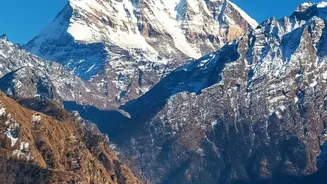
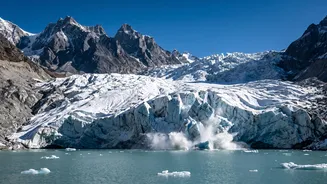
triggered by a massive ice-rock avalanche in the Himalayas near the Tibet border. This avalanche likely created a temporary dam by blocking a tributary, the Lhende Khola. When this natural dam broke, it released a sudden, violent surge. Experts are now urgently monitoring for any remaining blockages upstream. If another debris dam has formed and gives way, it could trigger a second, equally destructive flood wave, placing downstream communities under a severe and ongoing threat.
An Impending Landslide Crisis
Even without another flood, the danger is far from gone. The sheer volume of water has left the steep mountain slopes dangerously saturated. This makes the region, already prone to geological instability, highly susceptible to landslides. The 2015 Gorkha earthquake left many hillsides fragile, a vulnerability now compounded by the floodwaters. Experts warn that even moderate rainfall in the coming days and weeks could trigger devastating slides, cutting off already isolated communities, destroying more homes, and further complicating rescue and relief operations. The combination of seismic vulnerability and water-logged soil creates a perilous situation that emergency teams are watching with extreme caution.
A Looming Public Health Emergency
In the aftermath of any major flood, the silent threat of disease quickly becomes a primary concern for public health experts. With thousands of people displaced and living in temporary shelters, often with limited access to clean water and sanitation, the risk of waterborne disease outbreaks is critically high. Contaminated water sources can lead to widespread illnesses such as cholera, typhoid, and dysentery. UNICEF and other aid organisations have highlighted the vulnerability of children and families, and are working to provide safe drinking water and hygiene kits. Preventing a secondary health crisis is now a race against time for relief workers on the ground.
Shattered Infrastructure and Economic Fallout
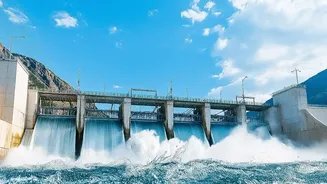
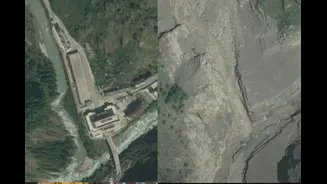
The flood wave inflicted a devastating blow on Nepal's critical infrastructure. Numerous bridges, including a key trade link to China, have been swept away, and significant sections of major roads have been destroyed. This not only isolates communities but also severely hampers the movement of rescue teams and essential supplies. Furthermore, the disaster has crippled a significant portion of Nepal's energy sector. Multiple hydropower facilities, which are vital to the nation's electricity supply, have been damaged. The loss of power and the destruction of trade routes will have long-lasting economic consequences, impacting everything from local livelihoods to national trade in a country still recovering from past disasters.
Assessing the Unpredictable Mountain Risk
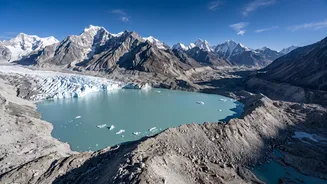
This disaster underscores a terrifying reality: the increasing frequency of unpredictable mountain hazards, likely exacerbated by climate change. The flood struck without warning from heavy rainfall, a hallmark of a Glacial Lake Outburst Flood (GLOF) or a similar cascading event triggered by an avalanche. Scientists have noted that glaciers across the Himalayas are melting faster, increasing the risk of such events. Experts at the International Centre for Integrated Mountain Development (ICIMOD) are analysing seismic and remote-sensing data to understand the precise trigger. The key takeaway for experts is that traditional weather-based flood warnings are becoming insufficient for the complex, interconnected risks brewing in the high Himalayas.