






A Shift From The Safari Circuit
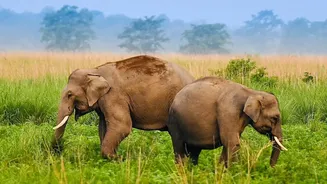
Traditionally, tourism in Assam has been synonymous with winter wildlife safaris in its world-famous national parks. The primary draw for decades has been the chance to see the iconic one-horned rhinoceros in parks like Kaziranga. However, the monsoon
season, which runs from roughly June to September, historically meant a near-complete shutdown. Heavy rains and flooding from the mighty Brahmaputra River lead to the closure of most core zones in major parks like Kaziranga and Manas for safety and conservation reasons. But a new trend is taking hold. While the rhinos get a break, a different kind of tourism is blossoming. Travelers are discovering that the soul of Assam doesn't disappear with the rains; it transforms. The focus is shifting from specific wildlife sightings to a more holistic appreciation of nature's dramatic monsoon makeover.
The Allure Of A Green Paradise
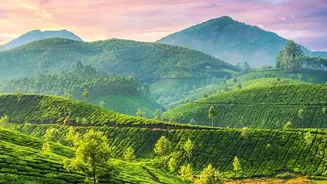
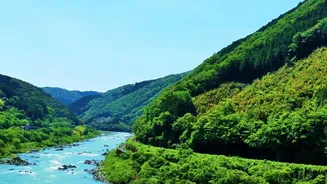
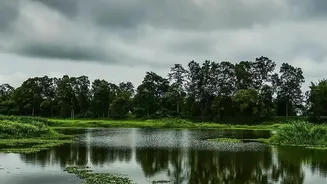
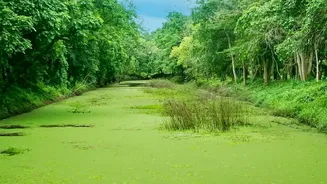
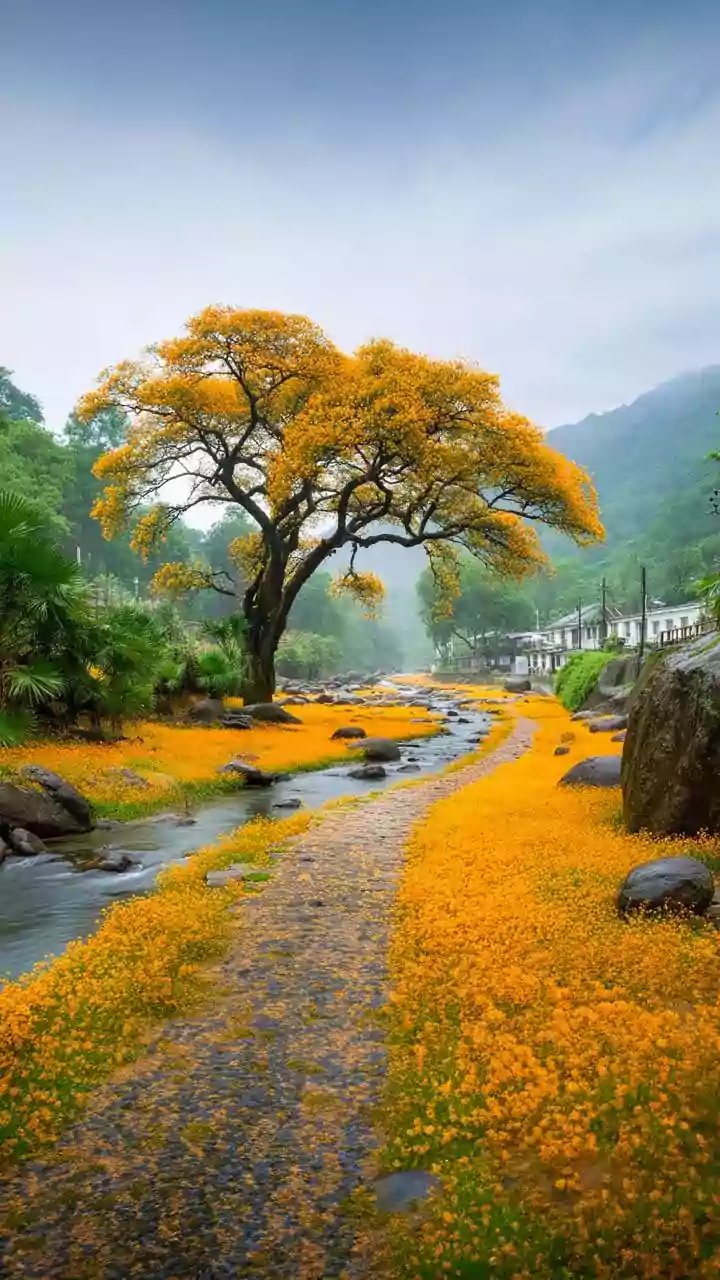
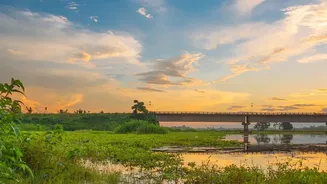
So, what is drawing visitors to Assam during a time of downpours? The answer is the sheer, overwhelming beauty of it all. The monsoon turns the entire state into a vibrant green paradise. The sprawling tea estates, for which Assam is globally renowned, become exceptionally picturesque, with freshly washed leaves shimmering under misty skies. The landscape comes alive with gushing waterfalls, swollen rivers, and a profound sense of tranquility. For photographers and nature lovers, this season offers dramatic lighting and lush backdrops that are absent in the dry winter months. It’s an experience that appeals to those craving solitude, serenity, and an escape into a world where nature is at its most powerful and pure. Fewer crowds also mean a more intimate and peaceful experience for those who make the journey.
Monsoon-Friendly Destinations
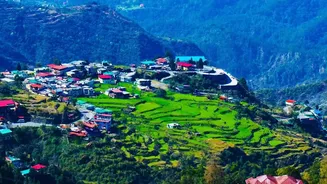
While Kaziranga's main gates might be shut, other parts of Assam welcome the rain-soaked traveller. Haflong, the state's only recognized hill station, is considered to be at its absolute best during the monsoon, with clouds rolling through valleys and waterfalls emerging from hidden slopes. Places like Dibrugarh, the heart of tea country, offer stunning views of endless green plantations against grey skies. Some national parks also remain partially accessible. Manas National Park, a UNESCO World Heritage site, keeps parts of the park open, offering a different kind of wildlife experience focused on its lush evergreen forests. Dibru-Saikhowa National Park is another destination that remains accessible year-round, its wetlands teeming with birdlife during the rains. Even gateway cities like Guwahati take on a mystical charm, with the Kamakhya Temple's famous Ambubachi Mela festival drawing lakhs of devotees in June, right in the midst of the monsoon.
The Rise of Ecotourism and Homestays
This shift is also being driven by the growth of ecotourism and community-led initiatives. Across the state, homestays and eco-lodges are offering travelers a more authentic and sustainable way to experience Assam. These smaller, locally-run accommodations provide a warm, homely environment and a direct connection to Assamese culture, customs, and cuisine. Many are located in areas surrounded by nature, allowing guests to immerse themselves in the tranquil sounds and sights of the monsoon. This model thrives outside the peak season, as it caters to travelers looking for meaningful connections rather than just sightseeing. Community-based tourism projects, like those found in villages near Manas National Park or on Majuli island, empower local residents and give visitors a chance to contribute directly to the local economy.