


The Quest for Quality and Transparency
A primary driver behind this movement is the desire for absolute control over what goes into our food. Store-bought festive treats can often be a minefield of hidden ingredients. Concerns about excessive preservatives, high levels of refined sugar and
salt, and the use of unhealthy trans fats are pushing consumers to take matters into their own hands. Reports of adulterated ingredients, such as chalk powder in sugar or non-edible metals posing as silver foil, become more frequent during high-demand festival periods, eroding trust in commercial products. When you cook at home, you are the quality inspector. You choose the grade of flour, the type of oil, and the natural sweeteners, ensuring that what you and your family consume is pure, fresh, and free from unwanted additives. This level of transparency is simply not possible with mass-produced goods.
Catering to Personalised Health Needs
Modern diets are increasingly specific. Whether it's due to allergies, gluten intolerance, diabetes, or a lifestyle choice like veganism, finding suitable festive snacks on the market can be a challenge. Cooking from scratch offers a powerful solution: complete customisation. You can easily swap out ingredients to suit any dietary requirement. Someone managing their sugar intake can use jaggery or dates for sweetness. A family with a nut allergy can ensure their environment is free from cross-contamination. This ability to tailor recipes not only makes celebrations more inclusive but also provides peace of mind, knowing that the treats are safe and beneficial for everyone partaking. It empowers individuals to enjoy traditional flavours without compromising their health goals.
Cooking as a Mindful Escape
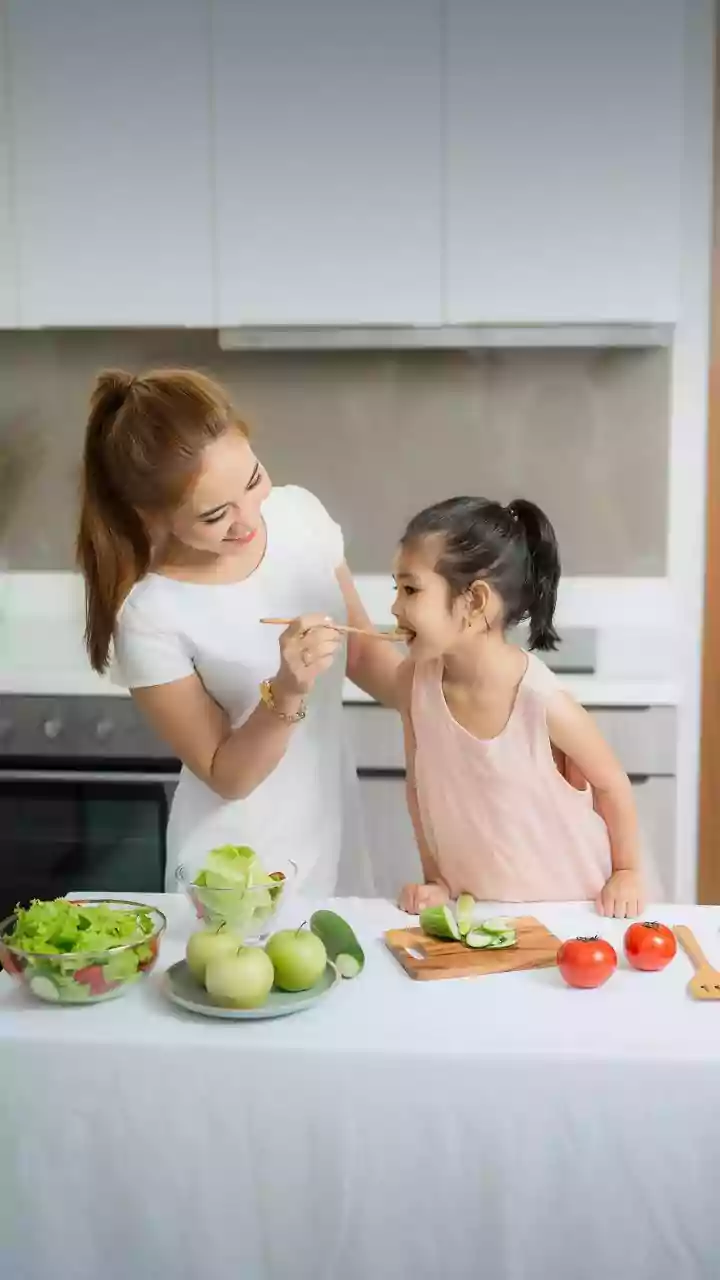
For many working professionals, life is a constant barrage of screens, deadlines, and mental multitasking. The kitchen offers a tangible, sensory escape from this digital overload. The act of cooking can be a form of mindfulness, requiring focus on the present moment. Repetitive, physical tasks like kneading dough, chopping vegetables, or stirring a pot can be meditative, helping to lower stress hormones like cortisol. Studies have shown that engaging in small, creative activities daily, such as baking or cooking, can lead to a greater sense of happiness and well-being. In a world of abstract targets and virtual projects, producing a delicious, fragrant batch of snacks provides a tangible sense of accomplishment and creative expression that feeds the soul as much as the body.
Reconnecting with Tradition and Each Other
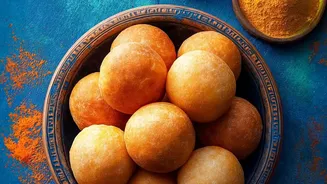
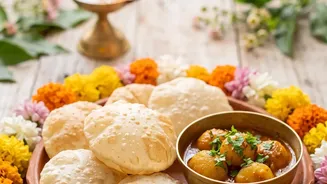
Festivals are deeply rooted in tradition, and food is often central to these cultural practices. For many, recreating a grandmother's laddoo recipe or a family's signature mathri is a way of honouring their heritage. It's an act that connects them to their past and allows them to pass on these cherished traditions to the next generation in their most authentic form. Furthermore, cooking and sharing homemade food strengthens social bonds. Gifting a box of self-made barfi or serving hand-rolled samosas at a gathering is an intimate gesture that shows thoughtfulness and care. It communicates a level of personal effort that a store-bought item cannot, fostering a deeper sense of connection and community during the most important times of the year.