







What Are 'Killer Robots'?
The formal term is Lethal Autonomous Weapons Systems (LAWS), but 'killer robots' has captured the public imagination for good reason. These are weapons that, once activated, can independently search for, identify, target, and kill human beings without
direct human control. The debate isn't about today's drones, which are remotely piloted by humans. It's about a future where an algorithm makes the final decision to use lethal force. This leap raises profound legal and ethical questions. Proponents argue such systems could be more precise than humans and reduce military casualties by keeping soldiers off the front lines. However, a growing chorus of critics, including the UN Secretary-General and the International Committee of the Red Cross (ICRC), warns that delegating lethal decisions to machines crosses a moral red line and could lead to a dangerous new era of warfare.
The Diplomatic Battleground in Geneva
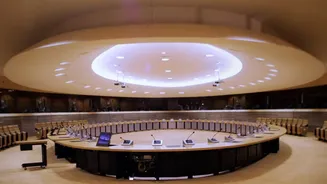
The main forum for this debate is a UN body in Geneva: the Group of Governmental Experts (GGE) on LAWS, operating under the Convention on Certain Conventional Weapons (CCW). The CCW, established in 1980, has successfully banned or restricted weapons like blinding lasers and incendiary devices. For nearly a decade, delegates have gathered here to grapple with AI in warfare. However, progress has been slow. The group includes diplomats, military experts, and scientists, but the talks are marked by deep divisions between nations who want to see a legally binding ban and those who prefer a looser, non-binding code of conduct. The process requires consensus, meaning any single state can effectively veto progress, a major hurdle that has stalled a formal treaty negotiation process.
A World Divided on Regulation
The international community is split into three main camps. A large and vocal coalition of over 70 states, supported by the 'Stop Killer Robots' campaign, is pushing for a new legally binding treaty to ban such weapons and ensure 'meaningful human control'. On the other side are major military and tech powers, including the United States and Russia. These nations, while acknowledging risks, are wary of a preemptive ban that could stifle technological development. They advocate for non-binding principles or codes of conduct, arguing that existing international humanitarian law is sufficient to govern the use of new weapons. A third group of countries sits in the middle, open to some form of regulation but undecided on its specific nature. This fundamental disagreement over whether to pursue a binding treaty or voluntary guidelines is the central conflict in the UN talks.
India's Cautious Stance
India occupies a nuanced and strategically significant position in these negotiations. While participating actively in the GGE discussions and acknowledging the legal and ethical concerns, India does not currently support negotiating a legally binding treaty. New Delhi's stance is that existing International Humanitarian Law (IHL) is the framework through which all weapons must be judged. Officials have argued that the focus should be on a weapon's effects, not the underlying technology, and that AI could potentially even improve compliance with the laws of war. This position is rooted in a strategic desire to avoid arms-control agreements that could be seen as discriminatory or limiting its own technological development while neighbouring states advance their capabilities. India has stressed the importance of balancing military necessity with humanitarian concerns within the existing CCW framework.