



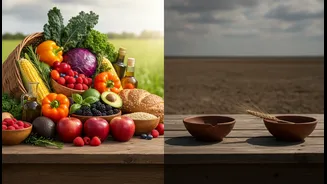


The Great Taste Deception
You can't always taste the true amount of sodium in food. Sodium chloride, or table salt, is what we primarily recognise as a 'salty' taste. However, sodium is also present in other compounds that don't trigger the same sensation, such as baking soda
(sodium bicarbonate) or flavour enhancers like MSG (monosodium glutamate). Furthermore, other powerful flavours like sugar, fat, and strong spices can easily mask a high salt content, tricking your palate. This is why foods like bread, biscuits, and even some sweet bakery items can be significant, yet unrecognised, sources of sodium in our diets.
India's Hidden Sodium Problem
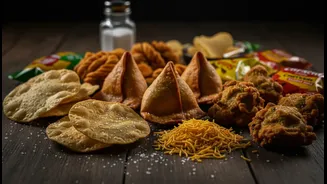
The average salt intake in India is estimated to be around 11 grams per day, more than double the World Health Organization's recommendation of less than 5 grams. This excess consumption is a leading contributor to rising rates of hypertension (high blood pressure), which in turn increases the risk of heart disease, stroke, and kidney problems. While we often blame the salt shaker, a huge portion of this sodium comes from processed, packaged, and restaurant foods. Traditional Indian accompaniments are also major culprits; items like pickles (achar), papads, and various chutneys are packed with salt used for preservation and flavour.
Surprising Sodium Hotspots in Your Diet
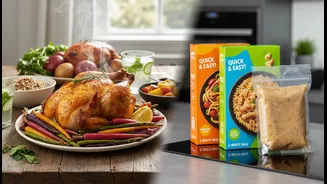
Beyond the obvious salty snacks, sodium lurks in many staples of the modern Indian diet. Commercially made breads, pav, and even rotis can contain significant amounts of salt to improve texture and shelf life. Packaged foods are among the worst offenders; instant noodles, ready-to-eat meals, soups, and breakfast cereals are loaded with sodium. Condiments are another area of concern, with items like ketchup, soy sauce, and pre-made masalas or spice mixes adding a heavy salt load to meals. Even restaurant and street foods, from chaat to pav bhaji, often contain far more salt than a home-cooked equivalent to ensure a bold, consistent taste.
How to Take Control of Your Sodium Intake
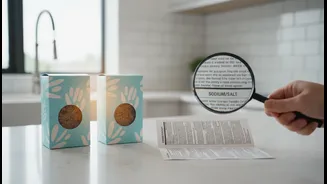
Reducing sodium doesn't mean eating bland food. The first step is awareness. Start by reading the nutrition labels on packaged foods to compare sodium content between brands. Opt for fresh or frozen vegetables over canned versions, or rinse canned goods thoroughly to wash away excess salt. When cooking at home, you are in control. Gradually reduce the amount of salt you add and experiment with other flavour enhancers. Herbs, spices, ginger, garlic, lemon juice, and tamarind can all add depth and flavour to your dishes without the extra sodium. Be mindful when eating out, and don't be afraid to request that your meal be prepared with less salt.
Retraining Your Taste Buds
The preference for salty food is an acquired taste. The good news is that your taste buds can adapt. As you consciously reduce your sodium intake, you will become more sensitive to salt. After a few weeks, foods you previously enjoyed may start to taste overly salty, and you will begin to appreciate the natural flavours of fresh ingredients more. Making small, consistent changes—like swapping salty snacks for fresh fruit or unsalted nuts, and prioritising home-cooked meals over takeaways—can lead to significant long-term health benefits, helping protect your heart and kidneys.