





What Exactly Is El Niño?
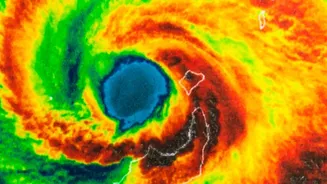
El Niño, which translates to “the little boy” in Spanish, is a naturally occurring climate phenomenon centered in the vast expanse of the Pacific Ocean. It involves the unusual warming of sea surface temperatures in the central and eastern equatorial
Pacific. This warming might seem distant, but it has the power to disrupt global weather patterns. A key effect is the weakening of the normal east-to-west trade winds. This change in atmospheric circulation is the primary mechanism through which El Niño’s influence spreads across continents, reaching all the way to the Indian subcontinent. While it occurs irregularly, its arrival puts meteorologists and economists on high alert, as its potential consequences are significant and widespread.
The Critical Monsoon Connection
India’s southwest monsoon, which delivers about 70% of the country's annual rainfall, is a complex system. El Niño disrupts this system by altering atmospheric pressure and moisture patterns. The warming of the Pacific Ocean can suppress the circulation that drives moisture-laden clouds towards India, leading to a weaker monsoon. The India Meteorological Department (IMD) has noted that developing El Niño conditions are a major factor in suppressing the 2026 monsoon. As of early August 2026, cumulative seasonal rainfall was already 12% below the long-period average, a deficit directly linked to the strengthening El Niño. Forecasts for August predict continued below-normal rainfall, raising concerns for the remainder of the season.
From Less Rain to Less Food
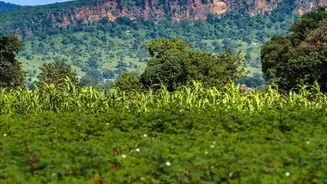
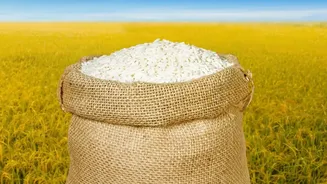
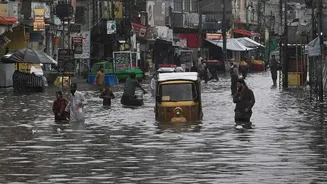
The link between a weak monsoon and food supply is direct and severe, particularly for the nearly half of India’s farmland that is rain-fed. The Kharif crops, sown during the monsoon months, are the most vulnerable. These include staples like rice, pulses (such as tur and moong), soybeans, and cotton. A rainfall deficit can lead to delayed sowing, moisture stress on growing crops, and ultimately, lower yields. For 2026, the uneven and deficient rainfall has already raised concerns about crop output, with some regions experiencing prolonged dry spells while others face sudden, destructive downpours. This unpredictability makes it incredibly difficult for farmers to manage their crops, directly threatening the nation's food basket.
The Ripple Effect on Your Wallet
The impact of a poor harvest extends far beyond the farm gate. Lower agricultural output leads to reduced supply, and with demand remaining steady, prices for essential food items inevitably rise. Food makes up a significant portion of the consumer price index (CPI) basket, meaning a spike in vegetable, pulse, and cereal prices quickly translates into higher overall inflation. Economists are forecasting food inflation could climb significantly in August and September due to the monsoon's poor performance. This affects household budgets across the country, reduces rural incomes and spending power, and can create broader economic headwinds for a nation where agriculture provides a livelihood for nearly half the population.
Preparing for a Drier Future
While the threat is serious, India is not powerless against El Niño's impact. The government is actively monitoring the situation, preparing contingency plans for hundreds of districts expected to receive below-normal rain. These plans involve promoting the use of drought-tolerant and short-duration crop varieties, ensuring the availability of climate-resilient seeds, and advising farmers to diversify away from water-intensive crops. Additionally, state governments are boosting enrolment in crop insurance schemes like the Pradhan Mantri Fasal Bima Yojana (PMFBY) to provide a financial safety net for farmers who may face crop losses. These measures, combined with better forecasting and water management, aim to build resilience and soften the economic blow.