








The Trouble with Store-Bought Drinks
Walk down any supermarket aisle, and you'll see them: a rainbow of bottled sports drinks promising to replenish and re-energise. While they can be useful for elite athletes in specific situations, for the average person, they often come with downsides.
Many are loaded with high-fructose corn syrup or other refined sugars, far exceeding what’s needed for a post-jog recovery. They also contain artificial colours, flavours, and preservatives that many people prefer to avoid. Furthermore, the cost of these single-use plastic bottles adds up over time, both for your wallet and the environment. The central promise of a sports drink is to replace electrolytes and provide energy, but the commercial formula isn't always the best or only way to achieve this.
What Your Body Actually Needs for Hydration
When you sweat, you lose more than just water. You lose crucial minerals known as electrolytes, with sodium being the most significant. Electrolytes are essential for nerve function, muscle contractions, and maintaining the body's fluid balance. Simply drinking plain water after intense sweating can sometimes be insufficient and, in extreme cases, can dilute the sodium in your blood. This is where sports drinks get their core idea right: you need to replace both fluid and electrolytes. The second piece of the puzzle is energy. Carbohydrates, in the form of simple sugars, can provide a quick source of fuel for your muscles, which is why they are included in recovery and performance drinks. The goal is to get the right balance of water, electrolytes, and sugar without unnecessary additives.
Enter Pink Salt and Honey
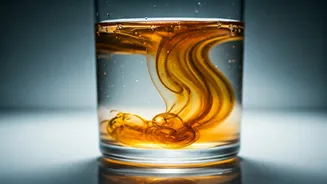
This is where the humble combination of pink salt and honey shines. It's nature’s own sports drink. Pink Himalayan salt, like all salt, is primarily sodium chloride—the key electrolyte you need to replenish. While it's often touted for its trace minerals like potassium, magnesium, and calcium, their quantity is too small to make a significant physiological difference. The real hero here is the sodium. Honey is a natural source of sugars, primarily glucose and fructose. These are easily digestible and provide a quick burst of energy to refuel tired muscles. Unlike refined sugar, honey also contains small amounts of antioxidants, enzymes, and minerals. Together, salt and honey dissolved in water create a simple and effective oral rehydration solution that provides your body with exactly what it needs to rebalance itself: fluids, electrolytes, and energy.
Your Simple DIY Hydration Elixir
Making your own electrolyte drink is incredibly easy and customisable. You don’t need any special equipment, and it takes less than a minute. Here’s a basic recipe to get you started: **Ingredients:** - 500 ml (2 cups) of water (plain or coconut water for extra potassium) - 1/4 teaspoon of pink Himalayan salt (or any unrefined sea salt) - 1 tablespoon of raw, unprocessed honey - Juice of half a lemon or lime (optional, for taste and a bit of potassium) **Instructions:** Simply combine all the ingredients in a bottle or jar. Shake vigorously until the salt and honey are completely dissolved. Taste and adjust if needed—you might prefer it a bit sweeter or saltier. You can make a larger batch and keep it in the fridge for a day or two. This drink is perfect for sipping during or after a moderate workout, a long walk on a hot day, or anytime you feel dehydrated.
When to Choose This Natural Drink
This homemade elixir is an excellent choice for most everyday hydration needs. It's ideal for recovering from a gym session, a yoga class, or a light run. It's also a fantastic way to stay hydrated and energised during the hot Indian summer. However, it's important to know its place. Elite athletes or those engaged in hours-long endurance events (like a marathon) may require more precisely formulated commercial products designed for extreme exertion. Their carbohydrate and sodium needs are often much higher and more specific. For the rest of us, this natural, inexpensive, and additive-free drink is not just a viable alternative—it's often a smarter one.