

The Foundational Curry Paste
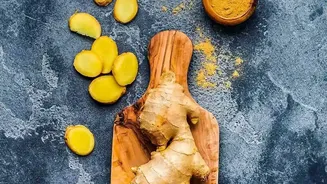
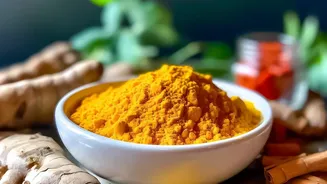
While many Indians buy 'Garam Masala' as a finishing powder, the true foundation of countless North Indian curries is a 'wet' masala or paste. This is where fresh ginger and turmeric shine. Often combined with garlic, onions, and green chillies, this
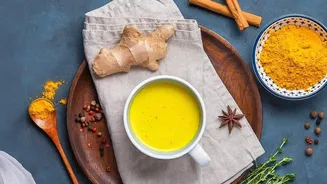
paste is sautéed in oil or ghee to create a flavour base. The fresh, pungent notes of ginger are balanced by the earthy, slightly bitter tones of fresh or powdered turmeric. This isn't a pre-mixed dry blend you store for months, but a fresh combination made for a specific dish. The concept of using ginger-garlic paste is a staple in South Asian cooking, and incorporating turmeric into this primary step is what gives many curries their signature colour and depth.
South India's Sambar Powder
Sambar, the ubiquitous lentil and vegetable stew from South India, gets its unique flavour from Sambar Powder. While recipes vary by region and household, they typically involve a blend of roasted lentils and whole spices like coriander seeds, cumin, fenugreek, and red chillies. Turmeric is a non-negotiable ingredient in the powder, providing colour and its characteristic warm flavour. While ginger isn't always a part of the dry 'podi' itself, it's almost always added fresh along with other aromatics when preparing the sambar. The spice blend is designed to work in concert with these fresh additions, creating a complex, tangy, and savoury profile that is deeply comforting.
Morocco's Ras el Hanout
Moving beyond India, the celebrated Moroccan blend 'Ras el Hanout' shows the global appeal of the ginger-turmeric pairing. The name translates to 'head of the shop', signifying it's the best blend a spice merchant has to offer. There is no single recipe, with some versions containing over 30 spices. However, ground ginger and turmeric are almost always present, providing a warm, earthy base alongside other spices like cumin, coriander, cinnamon, cardamom, and cloves. This blend is not about fiery heat but about creating an aromatic, complex, and layered flavour for tagines, stews, and meat rubs.
Yemen's Hawaij
Hawaij, a cornerstone of Yemeni cuisine, is another beautiful example of ginger and turmeric working in harmony. The name simply means 'mixture' in Arabic. There are two main versions: one for coffee and a savoury blend for soups and stews. The savoury version is a powerful, warming mix where turmeric and black pepper are key players, often joined by cumin, cardamom, and coriander. While some recipes use ground ginger, others use spices like galangal. This blend, now popular in Israeli cuisine as well, is known for its deep, earthy, and fragrant qualities, perfect for slow-cooked dishes that need a robust flavour foundation.
Ayurvedic Turmeric Masala
Drawing from the principles of Ayurveda, many modern and traditional spice mixes are created to be both flavourful and balancing. An Ayurvedic 'Turmeric Masala' is a perfect example. These blends are savoury mixes designed for everyday cooking. They typically feature turmeric and ginger prominently, alongside digestive-friendly spices like cumin, coriander, and fenugreek. The combination is designed to be tridoshic, meaning it's generally balancing for all body constitutions. This blend isn't tied to a single dish but is a versatile staple for sautéing vegetables, seasoning grains, or adding to soups, embodying the idea of food as both nourishment and medicine.