




Embrace Warm, Cooked Meals
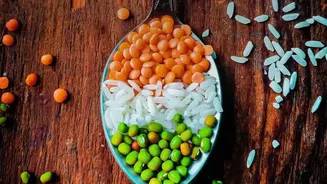
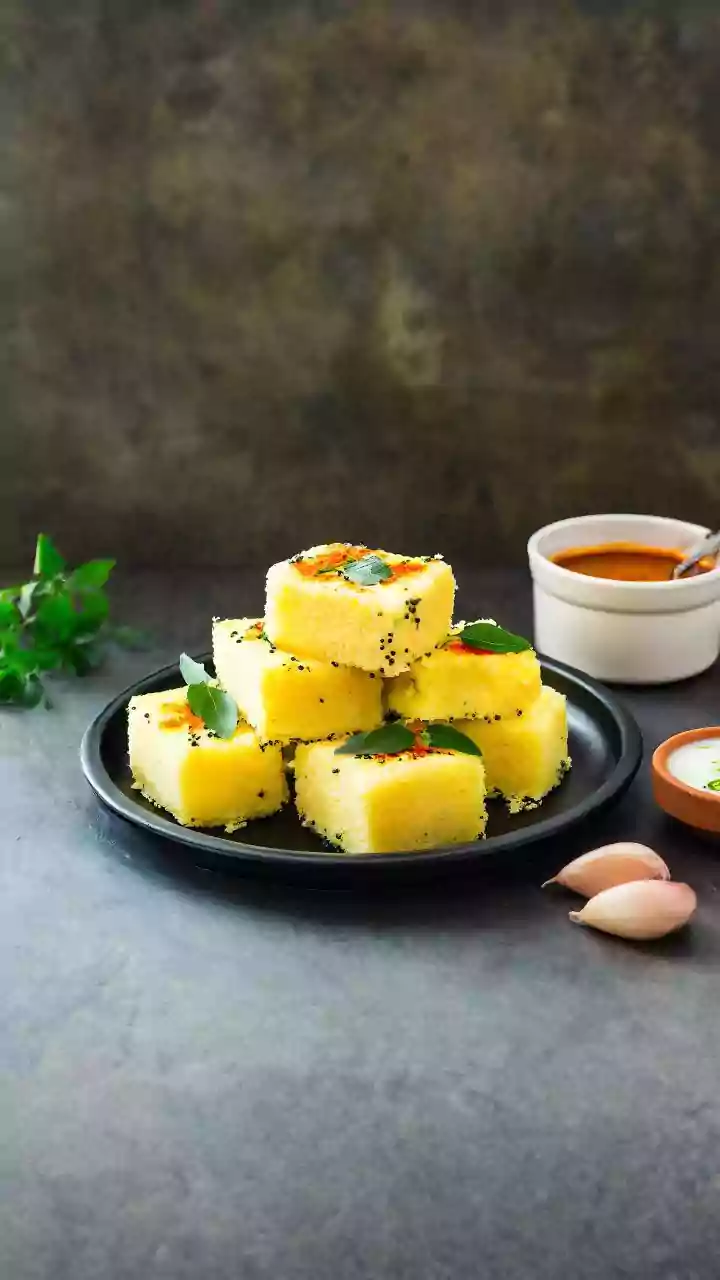
The rainy season can weaken our digestive fire, or 'agni', according to Ayurveda. To counter this, focus on warm, freshly prepared, and easily digestible foods. Think comforting bowls of moong dal khichdi, light vegetable soups, and steamed dishes. These
meals are gentle on the stomach and help prevent the bloating and indigestion common during this humid season. Avoiding cold, raw, and stale foods is crucial, as the damp weather encourages bacterial growth. Simple, home-cooked meals not only provide warmth but also significantly reduce the risk of contamination and waterborne illnesses.
The Power of Spices
Indian kitchens are a treasure trove of spices that double as potent immunity boosters. Turmeric, with its powerful compound curcumin, has anti-inflammatory and antiseptic properties that help fight infection. Ginger is excellent for soothing sore throats, aiding digestion, and combating the common cold. Garlic acts as a natural antibiotic, while black pepper helps the body absorb nutrients like curcumin and eases indigestion. Incorporating these spices into your daily dals, curries, and herbal teas is a simple way to strengthen your body's defences.
Seasonal Fruits and Vegetables
Nature provides the best produce for every season. During the monsoon, opt for fruits like jamun, pears, apples, and pomegranates. These are rich in essential vitamins and antioxidants that bolster the immune system. When it comes to vegetables, gourds like lauki (bottle gourd) and turai (ridge gourd), along with pumpkin and carrots, are excellent choices. They are light, easy to digest, and packed with nutrients. It's generally advised to avoid or thoroughly cook leafy greens, as they can harbour germs and dirt from the rain.
Comforting and Healthy Beverages
Nothing complements a rainy day like a warm drink. Herbal teas made with ginger, tulsi (holy basil), and a dash of honey can soothe the throat and boost immunity. A classic cup of masala chai with spices like cardamom and ginger provides warmth and comfort. Warm soups, such as tomato rasam or mixed vegetable soup, are not only hydrating but also packed with nutrients to help you fight off seasonal illnesses. It is also vital to drink boiled or filtered water to avoid waterborne diseases, which are common during this time.
Smart Snacking Choices
Cravings for fried snacks like pakoras and samosas are almost synonymous with rain. While indulging occasionally is fine, these can be heavy on the stomach. Healthier alternatives can be just as satisfying. Roasted corn on the cob (bhutta), a beloved monsoon classic, is a great source of fibre. Homemade besan chilla (gram flour pancakes), steamed momos, or roasted makhana (lotus seeds) are lighter, nutritious options. These snacks provide the comfort you crave without compromising your digestive health.
The Role of Probiotics
Maintaining good gut health is directly linked to a strong immune system. Probiotic-rich foods like fresh curd (yoghurt) and buttermilk help maintain a healthy gut microbiome, which is especially important when digestion slows down in the monsoon. Ayurveda suggests consuming curd during the day and avoiding it at night. A healthy gut can better fight off pathogens and keep digestive issues like bloating and constipation at bay.