








The Rise of the Remote Work Revolution
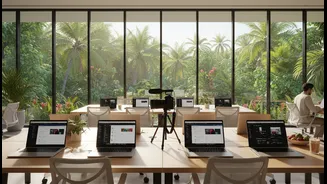
The traditional concept of work has been redefined. For a growing number of young Indians, particularly in the tech, creative, and consulting sectors, the office is wherever their laptop and a stable internet connection happen to be. This shift, accelerated
by the global move towards remote and hybrid work models, has fuelled a desire for a better work-life balance. Instead of being tethered to a single location, professionals are seeking experiences that blend productivity with travel. Southeast Asia, with its low cost of living, vibrant cultures, and beautiful landscapes, has emerged as a top destination for this new generation of digital nomads. Realising the economic potential, several countries in the region are now actively courting these remote workers with updated and specialised visa options.
Malaysia: The DE Rantau Nomad Pass
Malaysia has rolled out the red carpet for digital professionals with its DE Rantau Nomad Pass. This Professional Visit Pass is specifically designed for remote workers, allowing them to live and work in the country for up to 12 months, with the possibility of a 12-month renewal. The programme is aimed at digital freelancers, independent contractors, and full-time remote employees working for companies based outside Malaysia. The income requirement is an annual salary of at least USD 24,000, making it one of the more accessible options in the region. The pass also allows holders to bring their spouse and children, making it a viable option for young families. With a straightforward online application process, Malaysia has positioned itself as a premier hub for the work-from-anywhere crowd.
Indonesia: The Bali Dream Becomes Official
Indonesia, particularly the digital nomad haven of Bali, has formalized its welcome to remote workers. While many have historically used tourist visas, the country introduced the E33G visa in 2024, specifically for remote professionals. This visa allows a stay of one year and is renewable, offering a more stable, long-term solution. To qualify, applicants must demonstrate a minimum annual income of around USD 60,000 and prove they work for a company located outside of Indonesia. For those not meeting this threshold, the B211A social visa remains a popular alternative, allowing a stay of up to 180 days. This visa structure allows digital nomads to legally work remotely without earning income from Indonesian sources.
Thailand: Flexibility for the Short-Term Workation
Thailand remains a magnet for tourists and remote workers alike, known for its incredible food, stunning beaches, and affordable cost of living. For Indian passport holders, the visa situation has recently become more favourable again. After a brief period of requiring visas, Thailand has reinstated visa-free entry for Indian tourists for a stay of up to 30 days. While this doesn't constitute a formal digital nomad visa, the 30-day exemption is perfect for short-term workations, allowing professionals to test the waters without committing to a long-term stay or a complex application process. For those seeking longer stays, Thailand also offers the Destination Thailand Visa (DTV), a five-year, multiple-entry visa allowing stays of up to 180 days at a time, specifically targeting remote workers and freelancers.
Vietnam and Beyond: Other Promising Options
Other countries in the region are also on the radar. While Vietnam does not currently have a dedicated digital nomad visa, it offers a 90-day multiple-entry e-visa that can facilitate short-term remote work stints. This option is straightforward and can be applied for online, making it a convenient choice for those looking to explore cities like Ho Chi Minh City or Da Nang. The Philippines has also announced plans for a digital nomad visa, which is expected to launch soon and would allow stays of up to two years, signalling a growing trend across Southeast Asia to embrace the global remote workforce.
What to Know Before You Pack Your Bags
Embarking on a workation is an exciting prospect, but it requires careful planning. It's crucial to understand the specific rules of your chosen visa. Most digital nomad visas explicitly forbid earning income from local companies. Tax liability is another key consideration; while some visas offer tax exemptions on foreign income, others may classify you as a tax resident after a certain period, typically 183 days. Ensure you have comprehensive international health insurance, as this is a mandatory requirement for many visa applications. Finally, be mindful of the practicalities of working across different time zones and ensure you have reliable accommodation and internet access to maintain your productivity while enjoying your new surroundings.