





1. Chart Your Riverine Course
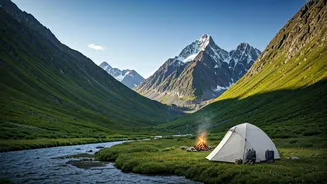
Arunachal is defined by its rivers, each offering a different flavour of adventure. Your first smart move is to choose a region. The mighty Siang, the main artery of the Brahmaputra in India, thunders through central Arunachal, with towns like Pasighat
and Along on its banks offering a base for exploration. For a truly raw experience, the Dibang Valley in the east offers breathtaking, untouched landscapes but requires more rigorous planning. Further east, the Lohit river valley, near the town of Tezu, is steeped in history and spirituality. For those interested in angling and remote treks, the Subansiri, flowing through a largely inaccessible gorge, is the stuff of legends. Researching these river valleys will help you define your itinerary and set realistic goals for your solo journey.
2. Conquer the Permit Paperwork
This is non-negotiable. As an Indian citizen, you need an Inner Line Permit (ILP) to enter Arunachal Pradesh. Attempting to enter without one is a serious offence. The 'smart' part is getting this sorted out well in advance. Thankfully, the process is now largely online. You can apply through the official Arunachal Pradesh government portal, uploading your documents and paying the fee. Specify the districts you plan to visit. Once approved, print multiple copies. Keep one with your original documents, one in your backpack, and a digital copy on your phone and cloud storage. Local authorities will check your ILP at various entry points and checkpoints, so having it readily accessible makes for a smooth, stress-free journey.
3. Pack Your Digital and Analogue Toolkit
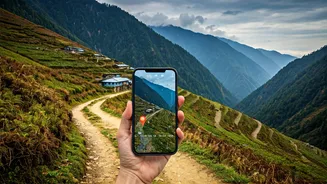
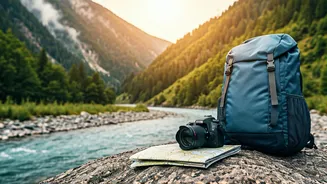
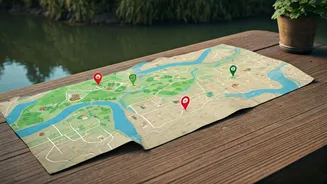
A smart backpacker leverages technology without becoming dependent on it. Mobile connectivity is patchy at best outside major towns. Your tech kit should include: a robust power bank (20,000mAh), a solar charger, and offline maps downloaded onto your phone (apps like Maps.me are excellent). A headlamp is essential. For safety in remote areas, consider investing in a satellite messenger like a Garmin inReach. However, don't forget the analogue backups. A physical, waterproof map of the region, a reliable compass, and a small notebook and pen are invaluable. The notebook is perfect for jotting down bus timings, local phrases, or simply journaling your incredible experiences when your phone battery dies.
4. Dress in Layers, Waterproof Everything
The weather in the mountains is notoriously fickle; you can experience multiple seasons in a single day. The key is layering. Pack a base layer (thermal wear), a mid-layer (fleece jacket), and an outer shell (a high-quality waterproof and windproof jacket). Quick-drying clothes are your best friend. Your most important piece of gear is your footwear—sturdy, waterproof trekking shoes with good grip that you have already broken in. Equally important is keeping your gear dry. Use a rain cover for your backpack and pack electronics, clothes, and your sleeping bag in separate waterproof dry bags or even simple plastic bags. A wet sleeping bag on a cold night can be dangerous.
5. Go with the Flow, Responsibly
The true magic of solo travel in Arunachal lies in its people. Opt for homestays whenever possible. They offer an authentic window into the lives of the diverse tribes that call this land home, and your money directly supports the local economy. Always ask for permission before taking photographs of people or religious sites. Learn a few words in the local dialect—a simple 'hello' or 'thank you' goes a long way. Hire local guides for treks; their knowledge of the terrain and culture is indispensable. Finally, practice the 'Leave No Trace' principle religiously. Pack out everything you pack in. The beauty of Arunachal is fragile, and it is our collective responsibility to preserve it.
6. Prioritise Your Solo Safety
Travelling solo doesn't mean being completely disconnected. Before you leave, share your detailed itinerary, including planned routes and potential homestays, with a trusted friend or family member. Arrange to check in with them at regular intervals. Carry a comprehensive first-aid kit with medications for common ailments and any personal prescriptions. Always keep your primary documents, cash, and phone on your person. Most importantly, trust your intuition. If a situation or a person feels off, remove yourself from it. Being a 'smart' solo traveller means being aware, prepared, and confident in your ability to handle the unexpected, allowing you to fully immerse yourself in the adventure.