

What the UN Reports Reveal
Recent reports from UN agencies like the FAO, including the 2026 'State of Food Security and Nutrition in the World' (SOFI), highlight a critical global issue: affordability is a primary barrier to a healthy diet. The reports found that globally, billions
of people cannot afford a diet that provides adequate nutrients. The core message isn't a lack of food, but the high cost of nutrient-dense foods like fruits and vegetables. The challenge, as one FAO economist noted, is not producing enough calories, but making nutritious foods more affordable. This shifts the conversation from simply eating more to eating smarter, with an emphasis on what is realistically accessible to most people.
The Myth of Premium Superfoods
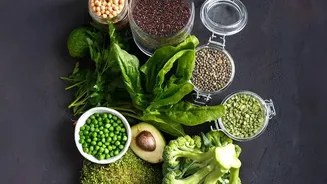
The wellness industry often promotes a specific image of health, one that includes imported ingredients like quinoa, avocados, and exotic berries. However, the term 'superfood' is largely a marketing concept, not a scientific one. While these foods are often nutritious, their benefits are not magical or irreplaceable. The belief that more expensive food is healthier is a common psychological trap. Research and nutrition experts consistently argue that some of the healthiest foods are often the least expensive and most familiar, found right in our local markets. The focus on pricey, imported goods overlooks the powerful, and often superior, nutritional profiles of local alternatives.
India's Local Nutritional Powerhouses
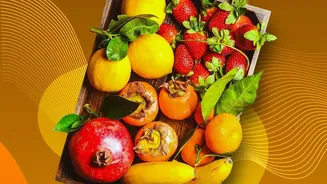
India's traditional food systems are rich with nutrient-dense foods that have been staples for centuries. Millets, for example, offer similar and sometimes better nutritional profiles than quinoa, with more fibre and iron. The humble amla (Indian gooseberry) contains significantly more Vitamin C than imported acai or goji berries. Lentils, local leafy greens like spinach (palak) and moringa, turmeric, and seasonal fruits are all affordable powerhouses of vitamins, minerals, and protein. These foods are not only easier on the wallet but are also fresher and better suited to the local climate and bodies, supporting regional farmers and reducing environmental impact.
Building a Healthy Plate on a Budget
Adopting a healthy diet doesn't require a complete overhaul or a large budget. The foundation is dietary diversity. Instead of chasing a single 'superfood', the goal should be to include a variety of food groups. Prioritising whole grains like whole wheat and millets, incorporating a rainbow of seasonal vegetables and fruits, and relying on lentils and legumes for protein are key principles. These foods provide the fibre, vitamins, and minerals that many modern diets lack. Preparing meals at home and choosing whole ingredients over pre-cut or processed versions are also effective ways to eat healthily while saving money. The secret isn't in exotic ingredients, but in consistently eating simple, whole foods that have stood the test of time.
A Call for Systemic Change
While individual choices are important, the UN reports stress the need for systemic change to make healthy diets affordable for everyone. This includes policies that support local farmers, improve supply chains to reduce the cost of fresh produce, and prioritise nutrition in national climate and health plans. The reports highlight that promoting local food production can drastically reduce the cost of a healthy diet. For many, especially in rural communities, accessing nutritious food is not just about price but also about availability. Therefore, strengthening local food systems is crucial for ensuring that everyone, not just those who can afford premium ingredients, has the opportunity to live a healthy life.